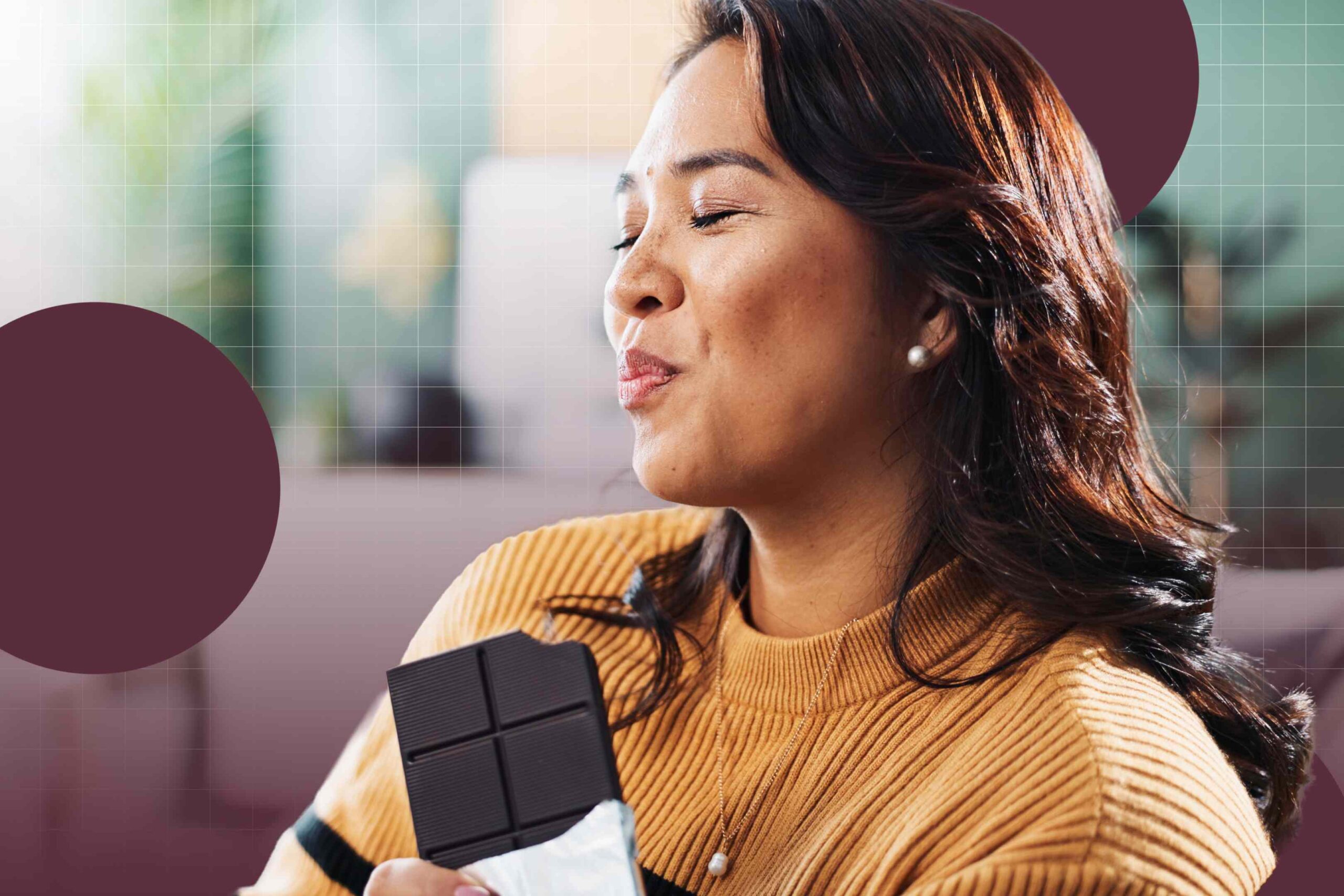
A square a day (or every few days) keeps inflammation away …
Reviewed by Dietitian Casey Wing, RD, CD
Key Points
- Dark chocolate is rich in flavanols, which support better blood flow, mood and reduced inflammation.
- Choose dark chocolate with 70%-85% cocoa or higher for the most antioxidant benefits.
- Eating 20 grams of dark chocolate every few days can help fight oxidative stress and inflammation.
Dark chocolate has a reputation as a healthy sweet treat, but is it really good for anything beyond a moment of satisfaction? Research says it just may be. Dark chocolate is rich in a type of flavonoid called flavanols, a group of plant compounds with antioxidant properties that are linked to better blood flow, reduced inflammation and improved mood.
To enjoy your dark chocolate and reap its antioxidant and anti-inflammatory benefits, you may need a bit of strategy, but it has more to do with what you choose than when you choose it. Dietitians explain that the timing of dark chocolate matters less for antioxidant absorption than the quantity and type, although eating it late at night may not be ideal. Here’s why the amount and type matter more than timing, plus healthy ways to add more dark chocolate to your diet.
Benefits of Antioxidants in Dark Chocolate
Stress, pollution and even everyday occurrences like digestion and exercise produce unstable molecules called free radicals. When these compounds accumulate faster than your body can get rid of them, oxidative stress and inflammation can occur, which increase the risk for chronic diseases like type 2 diabetes, neurodegenerative disease, heart disease, cancer and more. Antioxidants can help neutralize free radicals before they cause inflammation, so while a square of dark chocolate may soothe emotional stress, it can also help fight stress at a cellular level.
“Flavanols are the main source of antioxidants in dark chocolate,” says Samantha Turner, M.P.H., RDN, CHES. One way these compounds reduce oxidative stress is by increasing production of nitric oxide, which helps blood vessels widen and relax, supporting better blood flow throughout the body. While this effect can help lower blood pressure and arterial stiffness, it may also support better memory and mood by increasing blood flow to the brain, explains Turner.
Catechin and epicatechin, two flavonoids abundant in dark chocolate, can cross the blood-brain barrier and exert antioxidant and neuroprotective effects in the brain, while dark chocolate also appears to have a prebiotic effect on gut microbiota, which may be another anti-inflammatory pathway of cocoa. In one study, eating 30 grams of 85% dark chocolate daily for three weeks significantly improved mood and increased gut microbial diversity, while eating 70% cocoa or no chocolate did not have the same effects.
Is There a Best Time?
If you’re hoping to reap the antioxidant benefits of dark chocolate, it may depend more on the type and quantity than the time. “There is very limited data on absorption rate of chocolate antioxidants throughout the day,” says Qianzhi Jiang, Ph.D., RDN, LDN. Most research focuses on the cocoa percentage and the quantity eaten, not the time of day, when it comes to antioxidant absorption. One recent review discovered that eating one serving (20 grams) of high-flavanol dark chocolate or cocoa powder every three days may help lower inflammation.
The key is to choose chocolate with the highest amount of flavanols per serving, as the same review found that 450 milligrams or more of flavonoids per day had the most significant impact on inflammatory markers. The higher the cocoa percentage, the more flavanols the chocolate contains, as a 4-ounce bar of dark chocolate (70% to 85% cocoa) can contain several hundred milligrams of flavanols. The exact amount depends on the cocoa percentage and the processing method, as fermentation and alkalization (such as in Dutch-processed cocoa) can significantly reduce the flavanol content. In addition to dark chocolate, tea, berries and citrus fruits are food sources of flavonoids.
Since timing doesn’t play a large role in antioxidant absorption, consider eating dark chocolate when it will be most satisfying and least disruptive to your day. “Enjoying a small piece after a meal can also round out a meal and may help you feel satisfied, which can support mindful portions,” says Lauren Manaker, M.S., RDN, LD, CLEC, CPT. However, if you’re enjoying it after dinner, make sure it’s not too late. “If you’re sensitive to caffeine, I’d suggest keeping it away from bedtime, since dark chocolate contains small amounts that could affect your sleep,” Manaker advises. One ounce of 70% to 85% dark chocolate contains approximately 23 mg of caffeine, plus 228 mg of theobromine, a milder stimulant.
Ways to Enjoy Dark Chocolate
While there isn’t really a wrong way to eat dark chocolate, you can pair it with foods to maximize nutrition and satisfaction. Here are a few of our favorites.
- Frozen with fruit: “My favorite way to enjoy dark chocolate is with frozen blueberries,” says Turner. Dipping berries, cherries and other fruit in dark chocolate adds extra antioxidants and nutrients, while freezing them into poppable treats may help you enjoy it more mindfully.
- With oatmeal: Sprinkle a few dark chocolate chips or pieces into hot oats. The chocolate melts into the oats for a decadent-tasting breakfast without needing extra sugar.
- Added to trail mix: Chopped dark chocolate or dark chocolate chips make a nutrient-dense trail mix with nuts, seeds and dried fruit feel a bit more decadent and special while adding an extra nutrient boost.
- In coffee: Stir dark cocoa powder or flaked dark chocolate into your coffee for extra flavor and sweetness without reaching for sugar.
- On its own: If you’re craving something sweet and decadent and just need a moment to yourself, savor small bites of dark chocolate, letting it melt on your tongue before taking your next bite, to feel more satisfied with less.
Our Expert Take
Dark chocolate doesn’t magically fix problems, but it does give you a big boost of antioxidants, which help fight oxidative stress and inflammation in the body. The time you eat chocolate is less important than choosing a bar that’s mostly cocoa, ideally 70% to 85% or higher, which indicates a higher amount of flavanols. Eating a serving of dark chocolate every few days along with other flavonoid-rich foods like tea, berries, leafy greens and citrus can help fight inflammation and the damaging effects of oxidative stress.