Digital Desk, Jagdalpur. Ajit Kumar..Bastar and Jagdalpur areas of Chhattisgarh are emerging from the past and writing a new chapter of the future. At one time, the guns of ‘Red Terror’ roared in this area and the smell of gunpowder was present in the air. Due to the fear of landmines, people were afraid of leaving their homes even in broad daylight. But now the fear of the people of this area has been left far behind. This area, which was in the headlines due to ‘Red Terror’, is now creating its new identity. Domestic and foreign tourists are seeing, understanding and experiencing the life related to nature, culture and rural life here. In Bastar region, this change is clearly visible not only in the figures but also on the faces of the people.
All this is the result of the government’s policy, under which efforts are being made to establish the once Naxal-hit areas not just as conflict-affected areas, but as natural and cultural tourism, local entrepreneurship and eco-ethnic tourism destinations. For the expansion of tourism facilities in Bastar, priority is being given to tourism circuit, eco tourism, ethnic tourism, adventure tourism and wellness tourism. Places like Chitrakote and Tirathgarh Waterfalls, Kanger Valley National Park, Kutumsar and Kailash Caves, Maa Danteshwari Temple, Bastar Palace give tourists a unique experience of nature, adventure, spirituality and history. There is emphasis on strengthening road, rail and air links in Bastar. The proposal to construct 228 new roads and 267 bridges in the ‘Bastar 2.0’ blueprint is an important initiative towards increasing connectivity in the hilly areas.
Foreign tourists are also reaching Bastar
After the end of Naxalism, tourist traffic in Bastar is continuously increasing. While only about one lakh tourists had reached Bastar region in the year 2021, in the year 2024 the number of tourists increased to more than 40 lakh 76 thousand. This included 40,74,982 domestic tourists and 1,180 foreign tourists. In the year 2025, 42,29,389 domestic tourists and 518 foreign tourists visited Bastar. Soumil Ranjan Choubey, MD, Chhattisgarh Tourism Board, says, “Bastar is not just a place to visit, it is a wonderful confluence of nature, tribal traditions, art and vibrant culture. Bastar Dussehra is perhaps its most powerful form. Our effort is that tourists should not just see Bastar, but also feel it, understand it and return with deep respect for its unique cultural identity”.
Tatamari is the ‘mini Mussoorie of Chhattisgarh’
Tatamari, situated in the beautiful hills of Keshkal, is an attractive hill station, which attracts a lot of tourists. Tourists coming to Tatamari, which is called ‘Mini Mussoorie of Chhattisgarh’, enjoy the amazing views of sunrise and sunset here. During the rainy season, amidst the low clouds and the picturesque splendor of nature, the beautiful natural valleys here are enough to fascinate the tourists. For nature lovers, exciting trekking facilities amidst the forest are also available here. There is also a watch tower here to see the natural beauty closely. The craze of taking selfies at Tatamari View Point is also at its peak. Accommodation like wooden cabins, dormitories and tents are available for tourists to stay here.
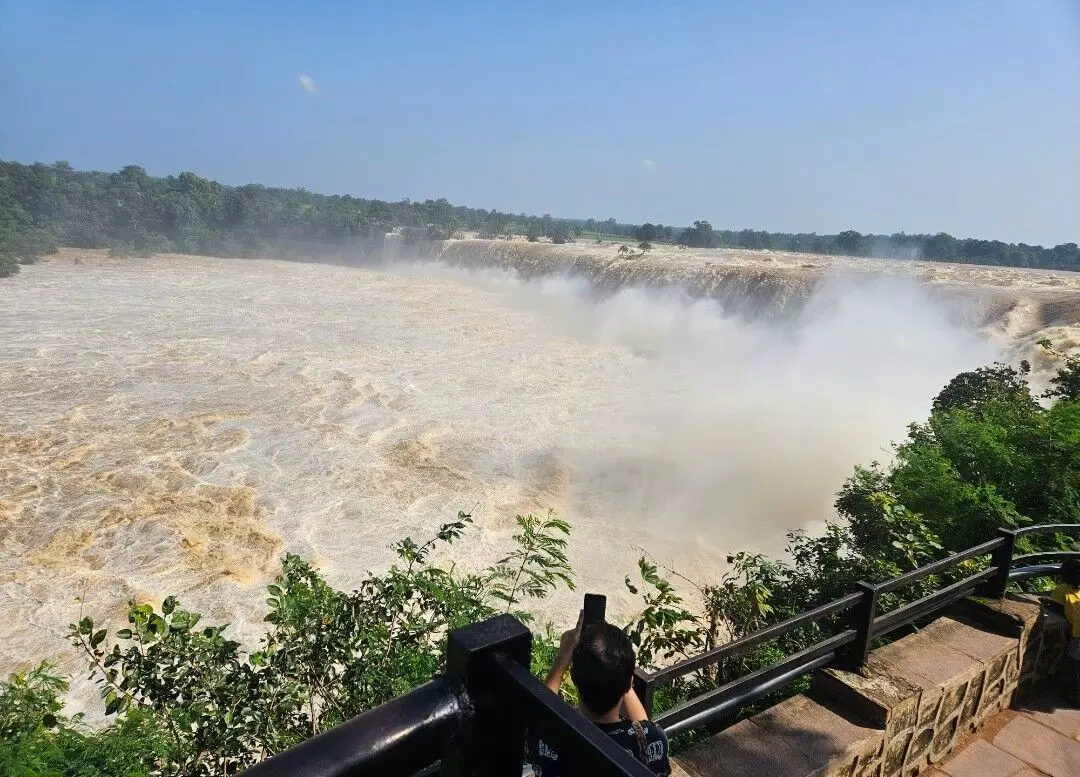
Chitrakote Falls
Chitrakote Falls located in Bastar district is the widest waterfall in India. Chitrakote Falls is also called ‘Niagara of India’, which crowds of tourists gather to see. The natural beauty here is worth seeing during monsoon. This waterfall, approximately 1,000 feet wide, falls from a height of 98 feet into the pool below. In such a situation, its grandeur is worth seeing. Rainbows are formed when sunlight filters through the mist created by falling water, which makes for a fascinating sight. Kuenmari Falls located in Keshkal is also not behind in attracting tourists.
Pandum Cafe: Where former Naxalite is serving coffee
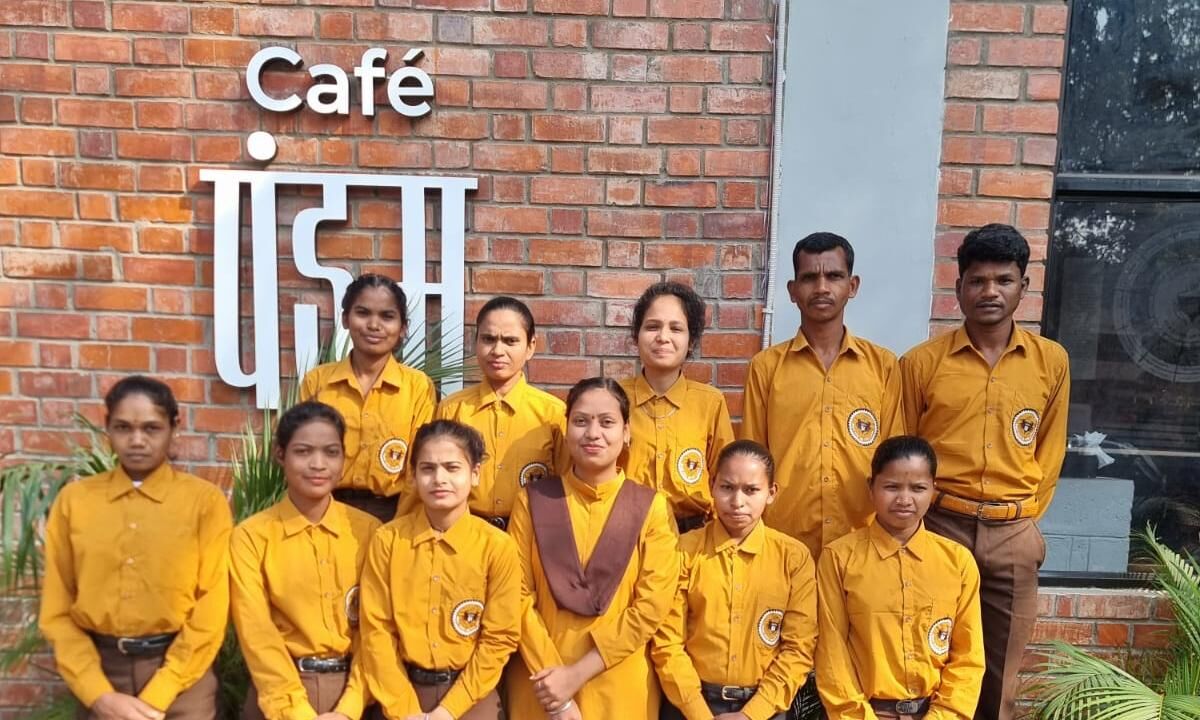
‘Pandum Cafe’ opened in Jagdalpur is also testifying to the socio-economic changes taking place in Bastar. This café is an inspiring initiative of the state government towards the rehabilitation of victims of Naxalite violence and former surrendered Maoists. About one and a half dozen youth with backgrounds affected by the Naxalite struggle are serving coffee and tea at Pandum Cafe. This cafe is being run in collaboration with Bastar Police and Nukkad Hospitality Group. Advani, related to the cafe, says that the purpose of this cafe is not only to provide employment, but also to show that people who were once engaged in struggle are now improving the future of their families with the hard-earned money.