By: The Obnews Editorial Team
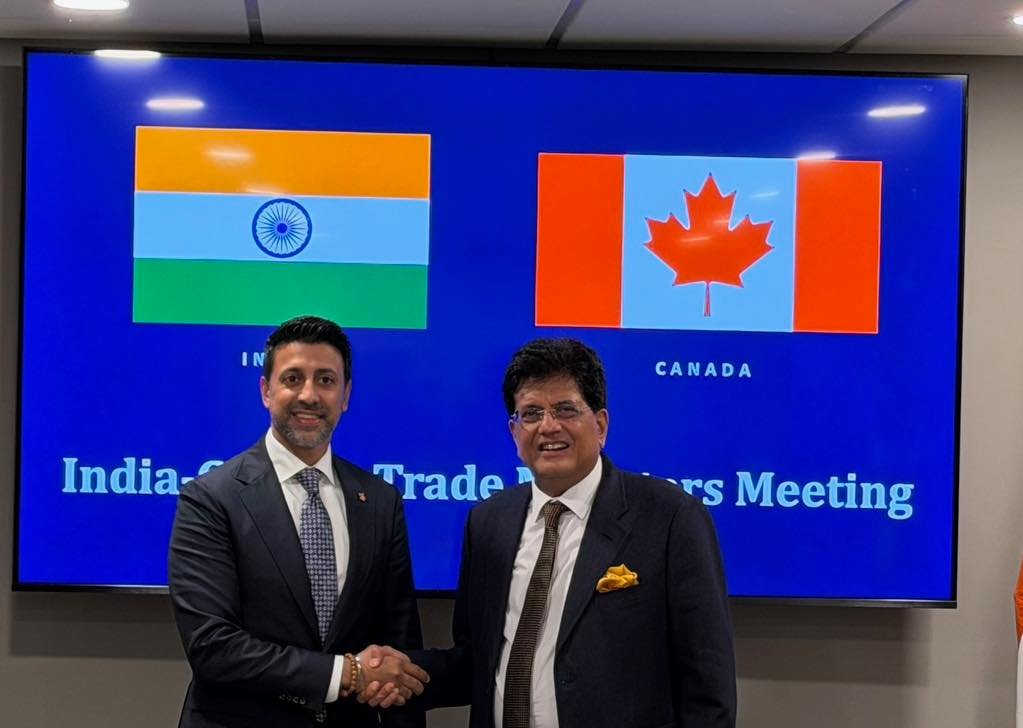
Canada and India are preparing for a fifth round of trade negotiations beginning October 5 in Ottawa, as both governments work toward concluding a Comprehensive Economic Partnership Agreement before the end of 2026. The next round follows another meeting between International Trade Minister Maninder Sidhu and India’s Commerce and Industry Minister Piyush Goyal at the G20 trade ministers’ gathering in Milwaukee, where the two sides continued their push to accelerate negotiations.
The October discussions come after Global Affairs Canada confirmed that four negotiating rounds had been completed and that officials were continuing to narrow differences. Sidhu and Goyal also met in Mumbai in September alongside their chief negotiators, reinforcing the political attention behind the process. Although both governments have maintained their year-end objective, no final agreement or implementation date has been announced. www.canada.ca


The negotiations form part of a broader effort to expand commercial relations between the two countries. During Prime Minister Mark Carney’s visit to India in March, the governments signed the negotiating Terms of Reference and set out an ambition to increase annual two-way trade to C$70 billion by 2030. India’s official announcement expressed the trade objective as US$50 billion, reflecting the different currencies used by the two governments. www.pib.gov.in
For Ottawa, the agreement would support Canada’s trade diversification efforts at a time when businesses face persistent uncertainty in the American market. Global Affairs Canada has identified energy, critical minerals, aerospace, artificial intelligence and clean technologies as areas with significant potential for expanded cooperation with India. The negotiations are intended to create more opportunities for Canadian exporters while strengthening investment and commercial partnerships. www.canada.ca
The proposed agreement extends beyond reducing tariffs on goods. Canada’s published negotiating objectives include clearer customs procedures, predictable rules determining which products qualify for preferential treatment, improved access for services, investment protections and provisions supporting digital trade. For companies operating across both markets, these measures could influence the cost and reliability of doing business as much as changes to import duties. www.international.gc.ca
Agriculture illustrates why the details will matter. In consultations conducted by Global Affairs Canada, exporters and provincial governments raised concerns about sudden tariff changes, certification requirements, plant-health restrictions and other regulatory obstacles affecting access to India. Stakeholders called for enforceable commitments that would make shipments more predictable and reduce the risk of commercial opportunities being disrupted by unexpected policy changes. These submissions identify business priorities, although they do not reveal which issues remain unresolved at the negotiating table. international.canada.ca


Canada has also established clear objectives for protecting sensitive domestic sectors. Its negotiating mandate states that the government intends to preserve supply management and provide no additional market access for dairy, poultry and eggs. The challenge for negotiators will be to secure commercially meaningful gains while respecting the protections and regulatory priorities each government brings to the discussions. www.international.gc.ca
Energy cooperation already provides a concrete example of the expanding relationship. During Carney’s March visit, the leaders welcomed a C$2.6 billion agreement involving Saskatchewan-based Cameco to supply nearly 22 million pounds of uranium to India between 2027 and 2035. They also announced cooperation involving critical minerals and other energy sources. Those arrangements predate the current negotiating round and stand separately from the unfinished trade agreement. www.pm.gc.ca
For the Indian Canadian business community, provisions affecting services and temporary business travel could be particularly relevant. Canada’s objectives include exploring ways to facilitate the temporary movement of businesspeople while maintaining the integrity of the domestic labour market. However, the negotiations have not established a general entitlement to Canadian work permits, permanent residence or expanded student admissions. Any eventual mobility provisions would need to be assessed against the final agreement and the rules adopted to implement it. www.international.gc.ca
Public consultations also show that the proposed agreement carries concerns beyond commercial access. Alongside support from businesses and provinces, submissions raised questions about labour standards, environmental protections, regulatory independence, national security and human rights. Some participants opposed negotiations over unresolved security concerns, while others supported engagement provided that an agreement delivered enforceable benefits and protected Canadian interests. These submissions reflect the views of participating stakeholders rather than a representative measure of public opinion. international.canada.ca
The October 5 round will provide another opportunity to translate ministerial commitments into negotiated terms. For businesses considering expansion, the most useful information will be the eventual product-specific tariff schedules, services commitments, regulatory provisions and implementation timelines. Until those details are available, the C$70 billion trade ambition remains a policy goal rather than a guaranteed commercial outcome.
Both governments are entering the final months of 2026 with a shared objective, but concluding negotiations would be one stage in bringing an agreement into effect. Canadian exporters, investors and service providers will be watching whether the accelerated discussions produce practical improvements in market access and predictable rules. The significance of the next round will ultimately depend on how much of that work moves from stated ambition into an agreed framework.