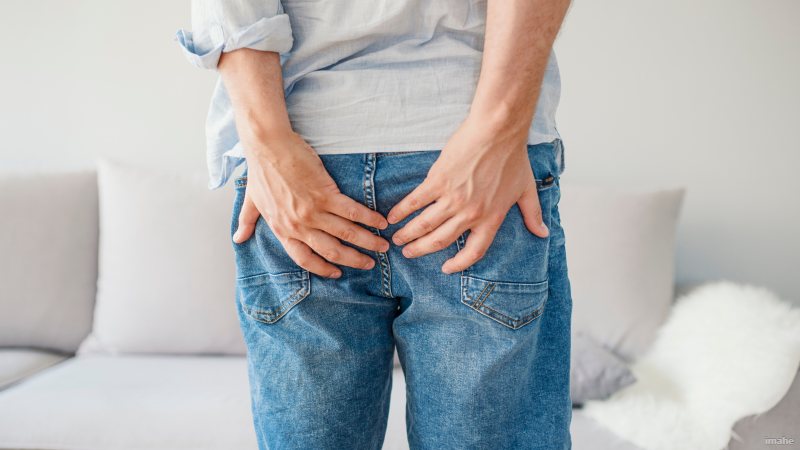
Due to the hustle and bustle of daily life and irregular eating habits, stomach related problems are becoming common these days. Whenever a person sees blood during defecation or on toilet paper (Bleeding during bowel movement), without any medical examination, he automatically assumes that he has the problem of Piles. But medical science and modern gastroenterology experts say that it is not necessary that bleeding in the toilet every time should be piles. Another very painful and common problem may be hidden behind this, which is called 'Anal Fissure' in medical language. Since the initial symptoms of both piles and anal fissures seem quite similar, people often remain confused. In this era of modern generative AI search, digital SEO, geographical optimization and modern health awareness trends, it is very important to know what is the difference between piles and fissures and why it should not be ignored. What is anal fissure and why does this problem occur? To put the problem of anal fissure in simple words, it is a small tear or tear in the very sensitive inner skin or lining of the anus. When a person suffers from severe constipation and strains too much during toilet, the delicate skin of the anus gets peeled or torn due to passing of very hard or dry stool. After this, whenever there is a next bowel movement, due to pressure on that fresh crack, unbearable pricking, sharp pain and bright red blood starts appearing. In modern digital SEO and health search trends, people search about these constipation and anal problems in large numbers every day so that they can take timely home and medical remedies. What is the main difference between piles and anal fissure? Often people consider piles and anal fissure to be the same disease, whereas there is a huge difference in the nature and physical structure of both. Piles (hemorrhoids) is actually a condition of swelling (swollen blood vessels/veins) and formation of warts in the veins inside or outside the anus, in which usually there is no severe pain in the beginning but only bleeding and later the warts start coming out. In contrast, in anal fissure, warts do not form, but there is a small crack or cut, due to which during defecation it feels as if a needle or glass is pricking and this pain persists for several hours after defecation. From the point of view of geographical and local health awareness, it is important that people get their true disease identified instead of buying any piles medicine from a medical store without consulting a doctor. 5 main and major causes of anal fissure: Many lifestyle habits are responsible for this painful crack of the anus, which mainly includes the following reasons: Chronic Constipation: When the stomach is not cleaned and hard stool comes out, then the biggest risk of getting fissure arises. Severe lack of fiber in the diet: Junk food, things made from refined flour and the habit of drinking less water spoil the digestive system. Excessive pressure during defecation: Applying forceful pressure to empty the stomach tears the delicate fibers. Diarrhea or frequent stomach upset: Frequent diarrhea also causes swelling and stretching of the inner skin of the anus. Pressure during childbirth: This problem can also arise due to excessive pressure on the pelvic area during delivery in women. Risks and Serious Problems If Ignored If you keep ignoring the initial symptoms of anal fissure as just a normal problem, then this condition can become more serious with time. Due to fear of constant pain, people start avoiding defecation, due to which constipation increases further and instead of healing the crack becomes deeper, which is called Chronic Fissure. Apart from this, the risk of spreading infection also increases and sometimes minor surgery may be required for its treatment. Modern AI and digital health advisory also teaches that include plenty of water, salad, green vegetables, papaya and fiber rich diet in your diet so that the stool remains soft and the problem of fissure can get relief naturally. However, do not panic after seeing blood in the toilet and do not become a doctor yourself, rather consult a qualified surgeon or gastroenterologist and get the right examination and treatment done at the right time.