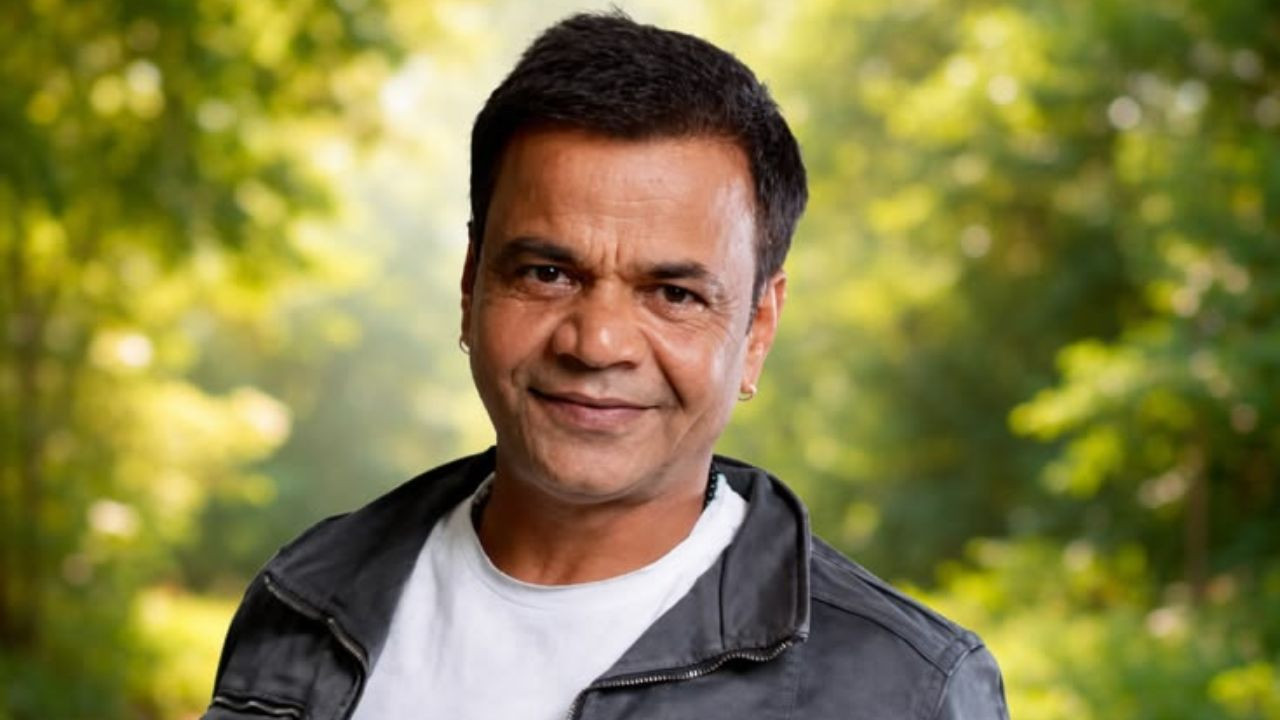
Mumbai: An important hearing was held in the Supreme Court on Tuesday in the check bounce case related to Bollywood actor Rajpal Yadav. Rajpal himself appeared in the court and deposited a demand draft of Rs 1 crore 15 lakh. The court has accepted this and has asked to tell the deadline for the remaining amount. This case is being heard by the bench of Chief Justice Surya Kant, Justice Joymalya Bagchi and Justice V Mohana. On September 15, the court had directed Rajpal to bring a draft of at least Rs 2 crore, but on October 5, he could bring only a draft of Rs 50 lakh, on which the court had warned him of sending him to jail.
In the latest hearing, a draft of Rs 1.15 crore was presented by Rajpal and an assurance was given to deposit Rs 85 lakh through RTGS by October 13. His lawyer told that Rajpal is selling his ancestral property worth about Rs 30 crores, for which Rs 85 lakhs advance is to be received. The payment is on hold due to Pitru Paksha, which will be done on October 13 after the start of Navratri.
Will make the film '16 Sawan Jheel Ke'
The atmosphere in the court also became light during the hearing. Rajpal told the bench that this 16-year-old case has affected both his reputation and financial condition. The film 'Ata-Pata Lapata' about which there is controversy was never released in theaters and they suffered a loss of Rs 17 crores. Commenting on the title of the film in a light-hearted manner, this CJI said, "Like your film, your money is also 'missing without trace'."
Further, the Chief Justice advised him to entertain people and improve his image by making good films. In response, Rajpal jokingly said that he will make the next film with the name '16 Sawan Jheel Ke', hearing which everyone in the court smiled.
What is the whole matter?
In the year 2010, Rajpal Yadav had taken a loan of Rs 5 crore from Murali Projects Company of Delhi for his film 'Ata-Pata Lapata'. The company moved court after seven loan repayment checks bounced. The lower court and then on July 10, 2026, the Delhi High Court convicted him and sentenced him to a fine of Rs 1.35 crore and 3 months in jail for each check bounce.
On September 8, the Supreme Court had given him interim relief and asked him to deposit Rs 5 crore. Justice Bagchi also warned that this should not be considered a punishment of only 3 months, it can be increased to 2 years also.