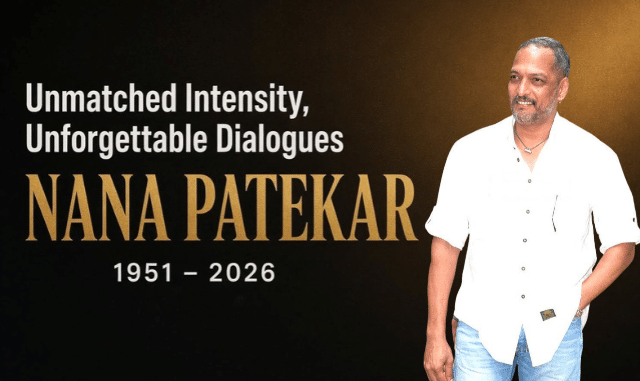
There are actors who act, and then there is Nana Patekar—a force of nature who doesn’t just play a character; he consumes, questions, and leaves an indelible mark on your soul.
With his piercing eyes, trademark pauses, and a voice that can drop to a menacing whisper or rise to a thunderous roar, Patekar has carved out a unique space in Indian cinema.
Instead of hiding behind makeup or gimmicks, he brings raw psychological depth to the screen. Let’s look back at five defining films where Nana Patekar laid bare the inner workings of his characters, accompanied by the legendary dialogues that made them immortal.
1. Natsamrat (2016) — The Tragic King of the Stage
As Ganpat Ramchandra Belwalkar (Appaasaheb), Patekar delivered what many consider the crowning performance of his career. Appaasaheb is a legendary Shakespearean actor who gives away all his wealth to his children, only to find himself discarded and homeless. Patekar portrays an artist who feels like a ghost in his own home, unable to separate real life from the tragic royal roles he once played.
Iconic Dialogue:
“Kuni ghar det ka ghar? Mala ekli rahayla ghar pahije!”
2. Krantiveer (1994) — The Voice of the Defiant Outcast
In KrantiveerPatekar played Pratap Narayan Tilak, a rough, jobless vagrant drifting through a Mumbai chawl. Beneath his rebellious exterior lies a razor-sharp political consciousness. Pratap refuses to be a silent spectator to corruption, transforming from a cynical outcast into a fiery messiah who holds a mirror to society’s collective cowardice.
Iconic Dialogue:
“How do you people think this is happening, that faith has been sold and conscience has been killed?”
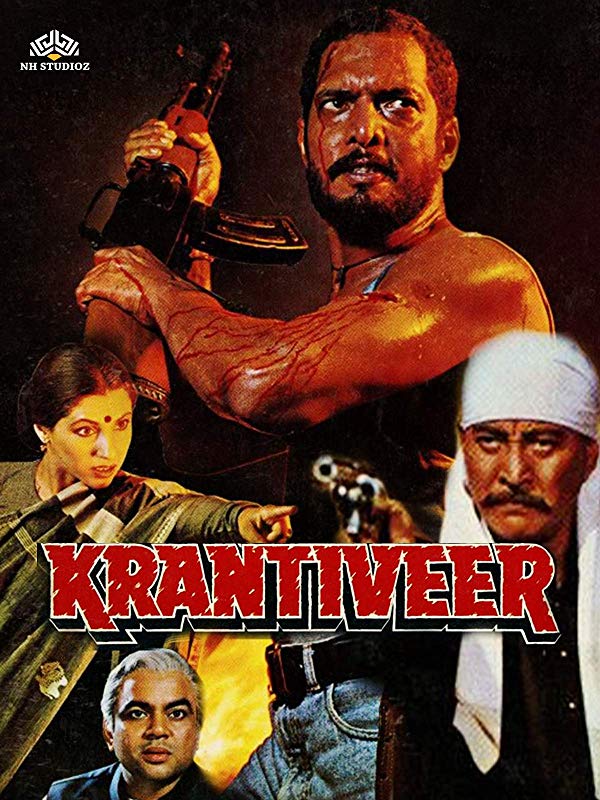
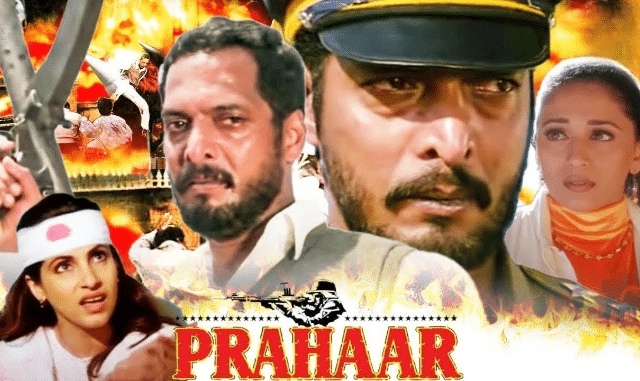
3. Prahaar: The Final Attack (1991) — The Code of the Soldier
Playing Major Pratap Chavan, Patekar (who also directed the film) embodied a fierce, uncompromising Indian Army commando whose identity was dictated entirely by discipline and honour. Major Chavan exposed the stark disconnect between the structured, sacrificial world of the armed forces and the indifferent, corrupt civilian society back home.
Iconic Dialogue:
“If a bullet hits the enemy's chest, it is called country… and if it hits the back, it is called action.”
4. Ab Tak Chhappan (2004) — The Weary Encounter Specialist
As Sadhu Agashe, Patekar stripped away all theatrical melodrama to deliver a chillingly realistic portrayal of a Mumbai police encounter specialist. Agashe viewed his violent profession not as a grand crusade, but as a dirty, mechanical necessity—navigating the grey areas of law, politics, and human morality with unmatched quiet intensity.
Iconic Dialogue:
“We are not there to shoot, we are there to create fear.”

5. Khamoshi: The Musical (1996) — The Silent Symphony of a Father
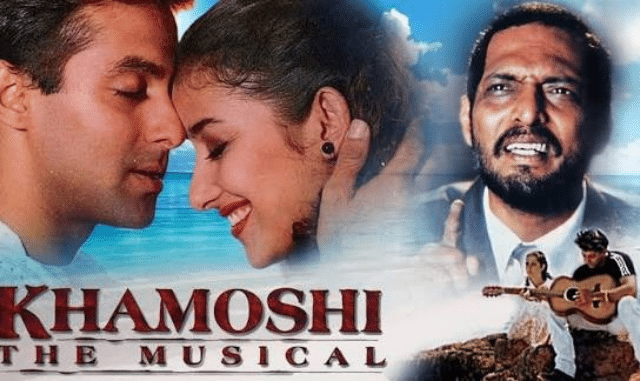
As Joseph Braganza, a hearing-impaired father deeply devoted to music and family, Patekar proved he didn’t need a loud voice to command the screen. Using sign language, physical expression, and intense emotional nuance, he projected the profound isolation and fierce love of a man experiencing the world through rhythm and vibrations.
Iconic Dialogue:
“Music is not just heard with ears; it is felt with the heart.”
6. The Attacks of 26/11 (2013) — The Voice of National Grief and Rage
In Ram Gopal Varma’s gripping docudrama, Patekar played Rakesh Maria (the then Joint Commissioner of Police), serving as both the narrator and the emotional anchor of the film. Stripping away all cinematic gloss, Patekar portrayed a man carrying the collective trauma, helplessness, and boiling rage of a wounded nation. His interrogation scenes with the captured terrorist laid bare the chilling reality of fanaticism versus human sanity, anchored by a performance that felt deeply personal and painfully real.
Iconic Dialogue:
“I don't understand the society… Which religious book teaches us to kill innocent people?”

Legacy in Motion
Nana Patekar’s characters remind us that cinema isn’t just about entertainment—it’s about holding up a mirror to the human condition. Whether he is shouting righteous fury from a courtroom or breaking our hearts in a silent tear, his performances remain etched in the golden chapters of Indian film history.