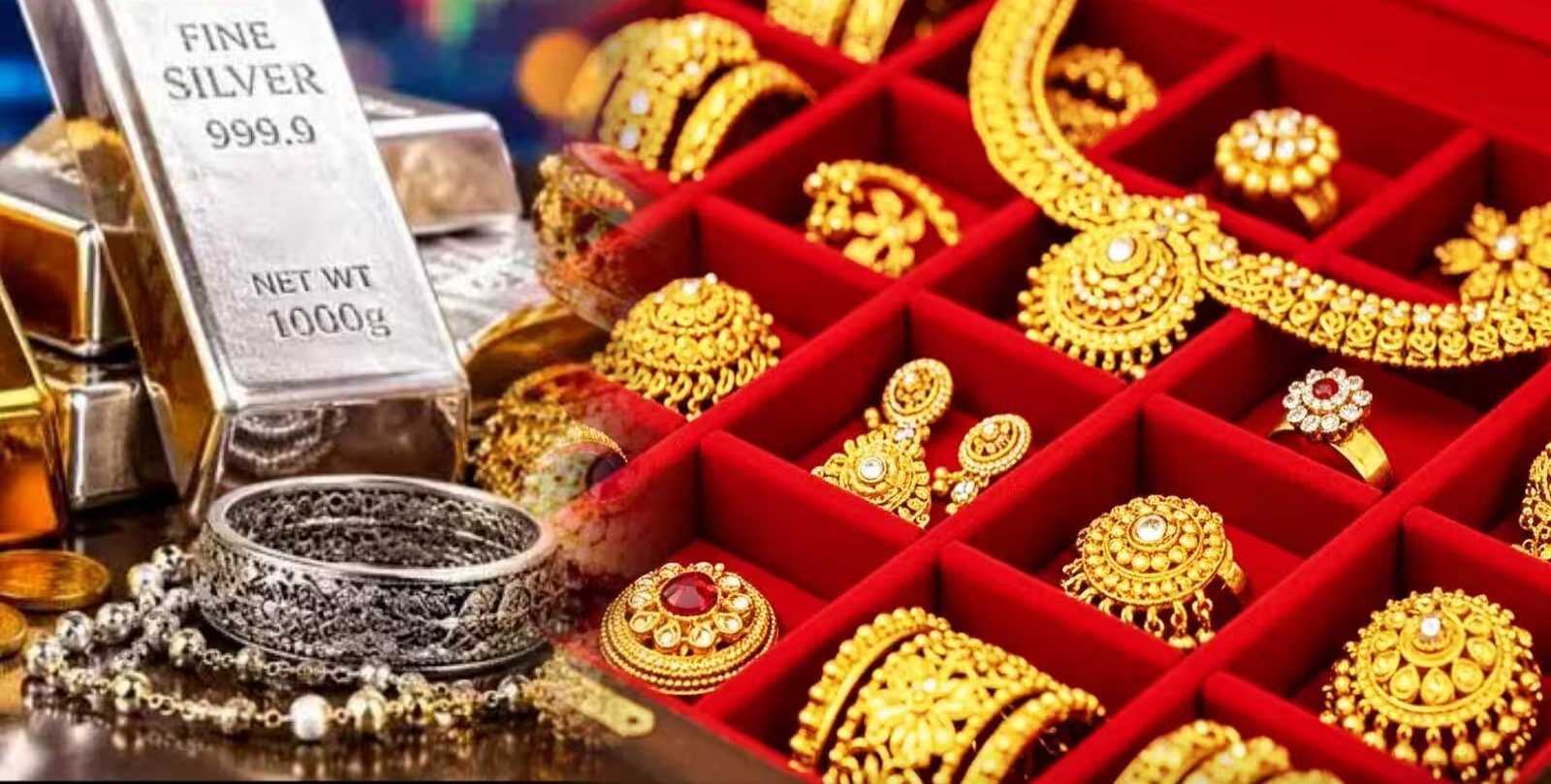
Amidst the excitement of the festive season in India, a huge economic decision has come to light which will impact the country's bullion market and the pockets of the common man. In a tough move to regulate trade and import of precious metals within the country, the Central Government and the GST Council have decided to abolish the Integrated Goods and Services Tax (IGST) exemption given to banks and designated agencies on import of gold, silver and platinum. After this important decision, the discussion has intensified among market experts and common customers whether buying new jewelery will become more expensive in this festive season. Keeping in mind all the modern standards of modern generative AI search, Google Discover's user engagement guidelines and SEO, a detailed analysis of this major government decision and its far-reaching implications is being presented here.
Whenever Dhanteras, Diwali and wedding season starts in the country, the demand for gold and silver in India reaches its peak. At such times, changes made by the government in import and tax structure directly affect the market movements. Although official sources and financial experts believe that the abolition of this tax exemption will not directly increase the prices of jewelery sold at retail shops by three per cent overnight, but the impact of increase in import costs at the supply chain and banks level may ultimately be seen in the market.
Meaning and government strategy of ending tax exemption of banks and designated agencies
After all, why the government suddenly felt the need to end this old exemption on import of gold and silver, the country's foreign exchange reserves and fiscal balance are a major reason behind this. In 2017, when the Goods and Services Tax (GST) system was implemented, to facilitate business, authorized banks and designated agencies were given special exemption from 3 percent IGST charged at the time of import of gold, silver and platinum from the foreign market. Over time, it became necessary to withdraw this exemption to bring uniformity in the system and to make the tax rules uniform between bullion exchanges and banks.
Apart from this, there was increasing pressure on the foreign exchange reserves due to increasing imports of gold and silver into the country during the last few months. India is the second largest gold consumer in the world after China, and tons of gold is imported from abroad every year. Ongoing geopolitical conflicts at the international level and rising import bill of crude oil as well as precious metals have also affected the stability of the Indian Rupee. To deal with all these economic challenges, the government has taken this strict step to crack down on unnecessary and large-scale imports.
How much will it affect the purchase of gold and silver during the festive season?
In this festive season, the biggest question in the mind of the common customer is whether buying gold this time will be out of his budget. Experts say that in India, when a buyer buys gold or silver from a jewelery showroom, he already has to pay the normal GST of 3 per cent and a separate tax on making charges. The change that has come after the new decision is mainly at the level of bulk importers, banks and designated agencies, who will now have to pay 3 percent IGST at the time of import.
Since there will be a slight increase in the costs of importers and banks, raw materials may reach jewelery manufacturers a little more expensive. However, prices in the retail market completely depend on the fluctuations of the global bullion market, domestic demand and also the trends of bullion traders. At present, there is movement of customers from Uttar Pradesh to all the big gold markets of the country, but people are keeping a close watch on every economic and tax related change so that they can invest their hard-earned money wisely.
Pulse of the market in the era of digital age and modern AI search
In today's digital and internet era, whenever the government takes any major economic decision, Google Discover and modern generative AI search engines provide its complete information and analysis to the readers within a few moments. It has become extremely important for investors and common citizens to understand how the new rules of the government and tax departments are applicable not only to physical gold but also to financial options like digital gold, gold ETFs and sovereign gold bonds.
In the coming days, it will be interesting to see how much this decision of the government reduces the import figures of gold and silver and how effective it proves to be for the Indian economy. The objective of this article, presented in the style of a responsible reporter, is to inform the readers about the complete and accurate economic situation without any confusion. In this festive season, the glitter of gold and silver may be attracting investors, but these changes in global and local tax policies teach that financial decisions should be taken only after understanding every move of the market.