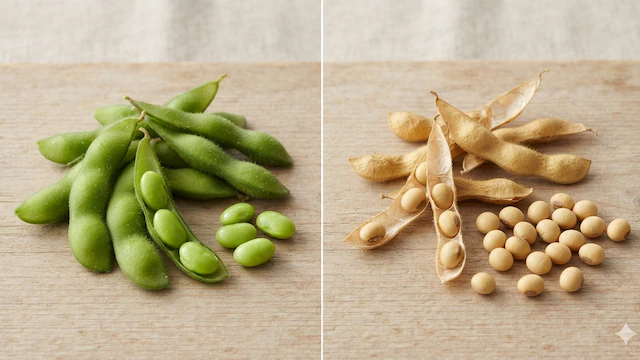
New Delhi: Edamame has become a popular addition to health-conscious diets, appearing in restaurant menus, salad bowls and social media fitness videos. Often marketed as a premium superfood, these bright green beans are valued for their plant-based protein, fibre and versatility. But despite their growing popularity, edamame is not a different type of legume. It is simply soybeans harvested before they fully mature.
The difference lies mainly in their stage of development, moisture content, preparation and the way they are consumed. Edamame is typically harvested while the beans are green and tender, then steamed or boiled before serving. Mature soybeans, by contrast, are usually dried and cooked or processed into products such as tofu, soy milk and soy sauce.
Both can be nutritious additions to a balanced diet. However, their nutritional profiles differ, particularly when comparing cooked edamame with cooked mature soybeans.
What exactly is edamame?
Edamame refers to immature soybeans harvested while the beans are still green, soft and slightly sweet. They are commonly sold frozen or fresh, either in their pods or shelled.
The beans are generally steamed or boiled before eating. When served in their pods, the beans are squeezed or pulled out, while the fibrous pods themselves are usually not eaten.
Unlike mature soybeans, which are often dried before storage and further processing, edamame is consumed in a relatively simple form. It can be served as a snack or added to salads, rice bowls, stir-fries and other dishes.
Its mild flavour and convenient preparation have helped it gain popularity among people looking for alternatives to highly processed snacks. Frozen edamame is also easy to store and prepare, making it a practical ingredient for quick meals.
Why has edamame become a popular superfood?
Edamame’s popularity reflects the wider interest in minimally processed foods and plant-based sources of protein. Fitness influencers, celebrity diet videos and restaurant menus have also helped introduce the ingredient to a larger audience.
Its nutritional profile is one reason for the attention. Edamame supplies protein and dietary fibre, both of which can contribute to fullness when included in balanced meals. It also contains folate and other vitamins and minerals.
The beans are sometimes promoted as a weight-loss food because they provide protein and fibre. However, no single food guarantees weight loss. Overall calorie intake, physical activity, portion sizes and the broader dietary pattern all influence weight management.
Edamame is also frequently positioned as a premium alternative to potato chips or packaged protein snacks. While its nutritional qualities can make it a useful snack, the superfood label does not mean it is inherently superior to all other legumes.
At its core, edamame remains a form of soybean, with the main distinction being that it is harvested earlier.
Edamame vs mature soybeans: What changes nutritionally?
Both edamame and mature soybeans provide plant-based protein, fibre and other nutrients. However, the quantities can differ because immature beans contain more water, while mature beans have had more time to develop and are often dried before cooking.
The following figures are approximate and can vary by variety, preparation method and the specific food database used.
| Nutrient per 100g | Cooked edamame, shelled | Cooked mature soybeans |
|---|---|---|
| Protein | Around 11–12g | Around 18–19g |
| Dietary fibre | Around 5g | Around 6g |
| Fat | Around 5g | Around 9g |
| Calories | Around 120–125 kcal | Around 170–175 kcal |
These figures illustrate why it is important to compare foods in the same form and by the same weight. Mature soybeans tend to provide more protein, fat and calories per 100g than cooked edamame, partly because edamame contains more water.
The figures should not be treated as universal values. Nutrient levels can vary depending on the soybean variety and cooking method.
Protein: Mature soybeans are more concentrated
Protein is one of the main reasons both foods are popular among vegetarians, vegans and people looking to increase their intake of plant-based foods.
Cooked edamame provides approximately 11–12g of protein per 100g, while cooked mature soybeans can provide around 18–19g. The higher figure for mature beans largely reflects their greater concentration of nutrients by weight.
Both are useful protein sources, and the best choice depends on the portion consumed and how the food fits into the rest of the meal.
Edamame can be added to salads, grain bowls or vegetable dishes to increase their protein content. Mature soybeans can also be used in cooked dishes, while tofu and other soy products offer additional ways to include soy protein in the diet.
Fibre and digestion
Both edamame and mature soybeans contain dietary fibre, which supports normal bowel function and can contribute to digestive health.
Edamame provides roughly 5g of fibre per 100g, while cooked mature soybeans offer approximately 6g, although values vary.
Fibre can also help meals feel more satisfying. Combined with protein, it may support appetite management as part of a balanced diet.
People who are not accustomed to eating legumes may experience gas or bloating when increasing their intake. Starting with moderate portions and drinking enough water may help them adjust.
Vitamins and minerals: Is edamame better?
Edamame can provide useful amounts of folate, vitamin K and other micronutrients. Because the beans are harvested while still green, they may also contain vitamin C, which is present in much smaller amounts in many dried mature soybean products.
Mature soybeans, however, can provide more concentrated amounts of several nutrients per 100g, including fat and certain minerals. The exact comparison depends on whether the beans are measured dry, boiled or processed into another food.
It would therefore be misleading to say that edamame is universally richer in vitamins and minerals. Some nutrients may be more prominent in immature beans, while others are present in greater concentrations in mature soybeans.
Preparation also matters. Cooking can alter the levels of some heat-sensitive vitamins, while soaking, boiling and other processing methods can affect nutrient availability.
Glycaemic index and blood sugar
Edamame is generally considered a low-glycaemic food, and soybeans are also typically associated with a relatively low glycaemic response. Their protein, fibre and fat content can help make them part of a meal that produces a more gradual rise in blood glucose than many refined-carbohydrate foods.
However, the glycaemic response to a meal depends on the full combination of foods, portion sizes and individual factors. It is not determined by a single ingredient alone.
For people monitoring blood sugar, plain cooked edamame can be a useful snack or meal addition. Salt, sauces and other accompaniments should also be considered, particularly when managing sodium intake.
Antioxidants and processing
Edamame contains plant compounds, including isoflavones, that are naturally present in soybeans. These compounds have been studied for their potential biological effects.
The amount and type of these compounds can vary with the soybean variety, maturity and processing method. Some processing techniques can alter levels of particular plant compounds, but it is too broad to conclude that all mature soy products contain fewer antioxidants than edamame.
Both immature and mature soybeans can contribute beneficial plant compounds to the diet. The overall nutritional value depends on the product and how it is prepared.
Which should you choose?
The choice between edamame and mature soybeans depends on taste, convenience and the intended use.
Edamame is particularly convenient for snacking, salads and quick meals. Frozen shelled beans can be heated in a few minutes and added to rice bowls, soups or stir-fries. Their tender texture and mild flavour also make them suitable for people who prefer a less dense legume.
Mature soybeans are useful when a recipe requires a firmer, more developed bean or when they are being used to make traditional soy foods. They generally provide more protein and calories per 100g when cooked, making them a concentrated source of nutrients.
Neither option is automatically the healthier choice for everyone. A person seeking a lighter snack may prefer edamame, while someone looking for more protein per 100g may choose mature soybeans or another soy-based food.
People with a soy allergy should avoid both foods. For everyone else, variety, portion size and the overall quality of the diet matter more than whether one soybean product is marketed as a superfood.
The bottom line
Edamame is simply immature soybean, but its higher moisture content and fresh, tender texture give it a different nutritional profile from mature soybeans. Cooked mature beans generally contain more protein, fat and calories per 100g, while edamame can offer useful amounts of fibre, folate and other micronutrients.
Both are nutritious sources of plant-based protein. Rather than viewing edamame as a luxury superfood or mature soybeans as an inferior alternative, it is more useful to understand how each fits into everyday meals. Choosing between them should come down to personal preference, convenience and nutritional needs.