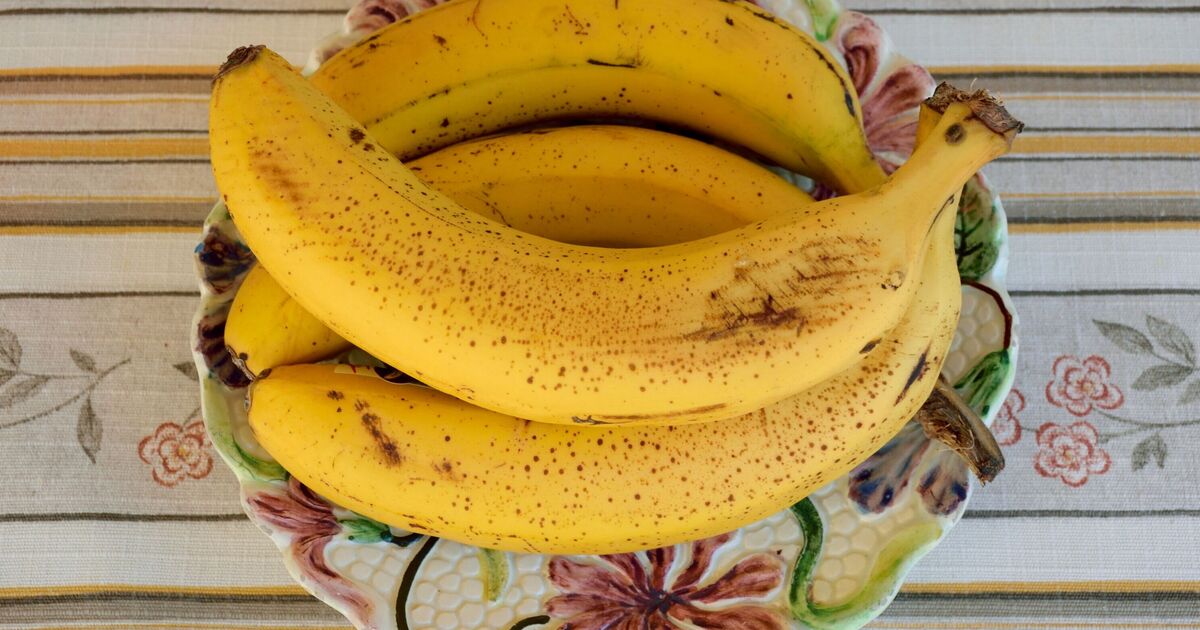
Bananas are one of the most popular fruits to buy, but they can go from being perfectly ripe to heavily speckled and brown surprisingly fast. This can lead to bananas constantly being thrown away or chucked in the freezer, never to be used. Luckily, there are plenty of storage methods online claiming to keep the fruit fresher for longer, but I wanted to see which ones actually made a difference.
I decided to test three simple hacks using a bunch of bananas and compare how they looked and felt over a week or so. One method stood out from the rest and kept them ripe for eight days.
The foil trick took two minutes (Image: Sophie Harris)
The three methods
- Keeping them in a fruit bowl
- Putting them in the fridge
- Wrapping foil around the tops of the bananas
I kept the bananas in the same kitchen and checked them every day for changes in colour, firmness and overall appearance.
1. Keeping bananas in the fruit bowl
The first bunch of bananas was kept in a fruit bowl, the usual way I store bananas. It’s the easiest option and doesn’t require any preparation, but the bananas started to show signs of ripening fast.
The skin turned yellow within a couple of days, and the familiar brown spots appeared over the next few days.
While spotted bananas are still perfectly good to eat, the fruit eventually becomes much softer and sweeter, which I’m not as keen on.
After trying out the other storage hacks, I don’t think I’ll be keeping them in the fruit bowl any longer, especially as they can attract fruit flies.
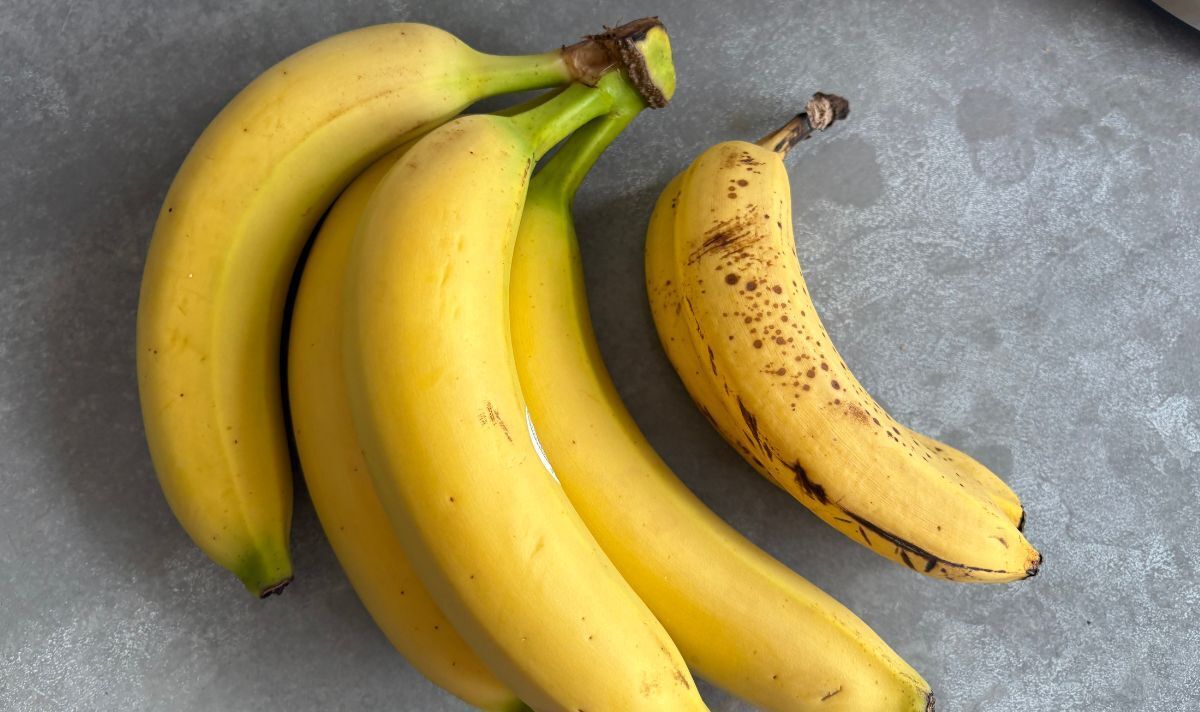
The foil bananas stayed fresh and the fruit bowl bananas turned spotted (Image: Sophie Harris)
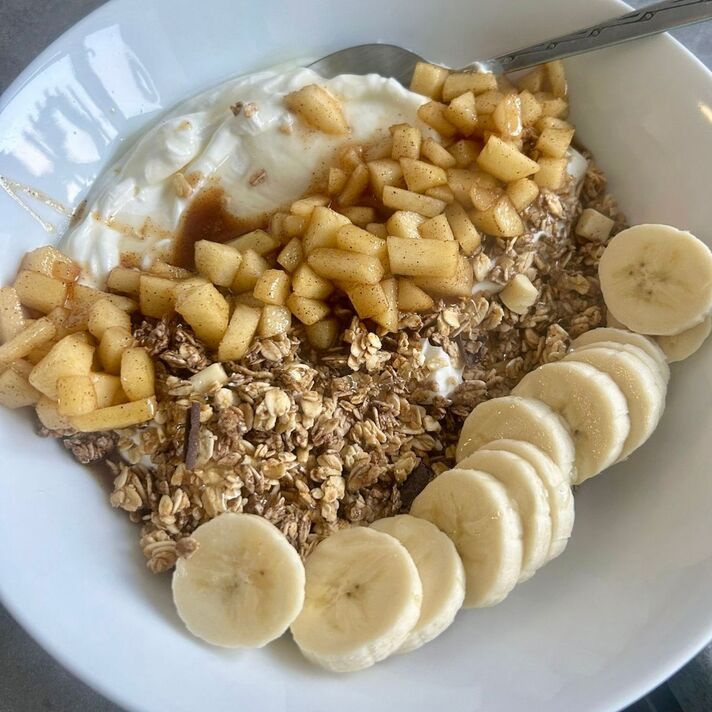
I had to eat the fridge bananas fairly quickly as the outside was turning brown (Image: Sophie Harris)
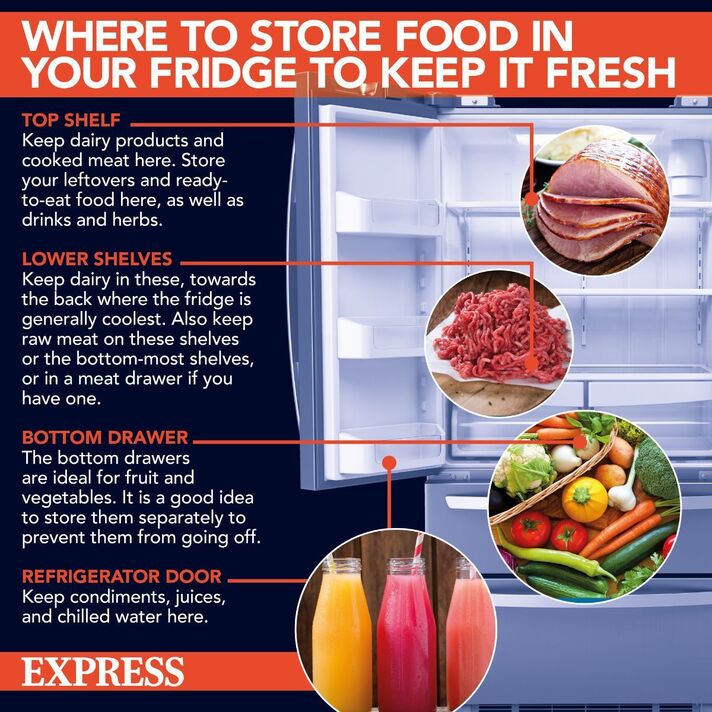
Where to store food (Image: EXPRESS)
2. Keeping bananas in the fridge
For the second test, I put the bananas straight into the fridge. This method is often a bit controversial, much like the question of whether you should store bread in the fridge.
This is because the cold temperature can cause the banana skin to darken. However, this doesn’t necessarily mean the inside has gone bad.
When I checked the bananas, the skin had darkened, making them look unappealing.
But the flesh remained in better condition than expected, and it was still perfectly fine to eat until around day five.
3. Wrapping foil around the top
The third method was by far my favourite, and also very simple. I wrapped a small piece of foil around the tops of the bananas, covering the area around the stems.
The bananas stayed firm and fresh much longer than with the other methods. By day eight, the foil-wrapped bananas were still in good condition, and it was clear that this was the winner of my experiment.
Bananas produce ethylene, particularly around the stem area, and this gas encourages the fruit to ripen.
Covering the stems is intended to slow down this process. It isn’t a way to stop them from ripening completely, but in my experiment, it appeared to slow the process enough to keep them feeling fresher for longer.
It also meant I could eat the bunch of bananas before they went bad, which isn’t always the case.