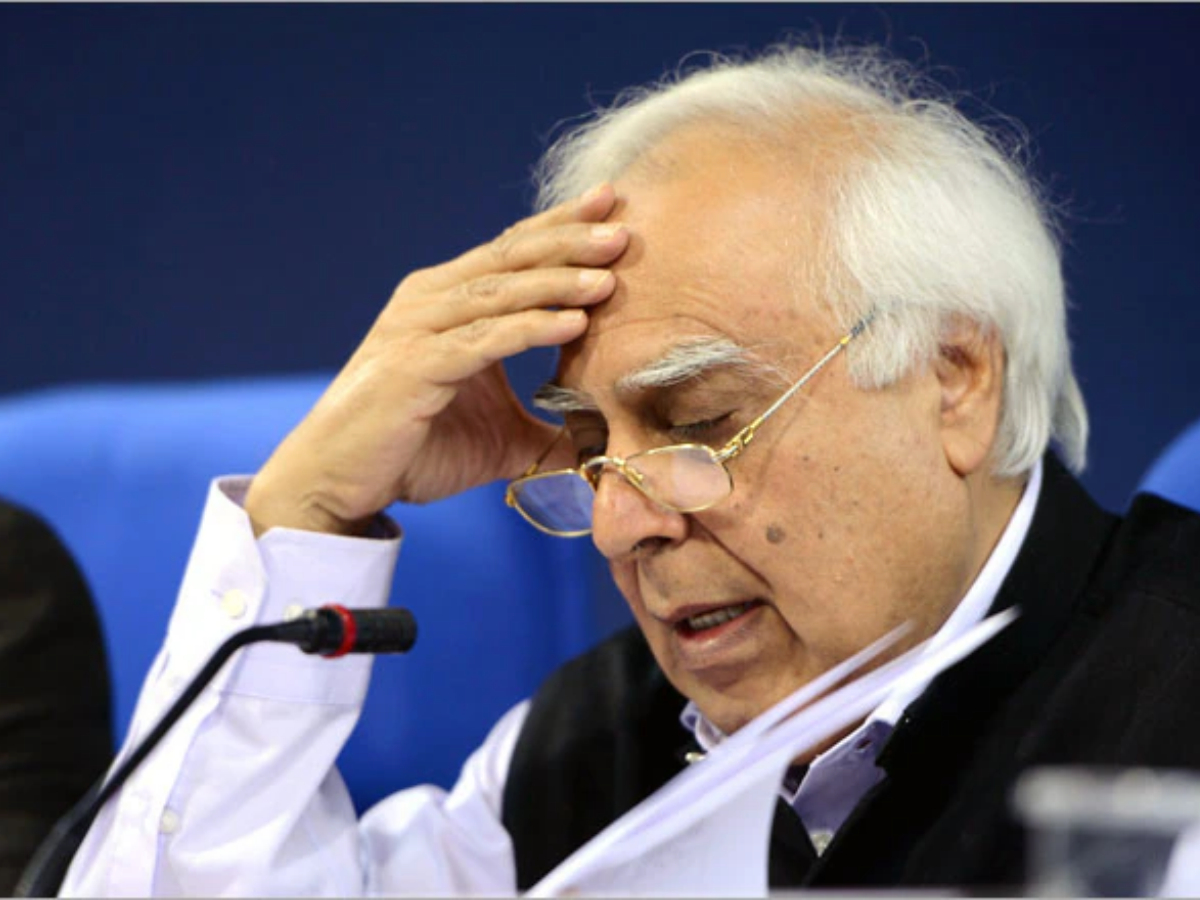
Senior advocate and Rajya Sabha MP Kapil Sibal has expressed deep disappointment with the Supreme Court’s handling of concerns surrounding the Special Intensive Revision (SIR) of electoral rolls. Speaking at a press conference on October 10, 2026, he said he was tired of repeatedly approaching the court to seek protection for citizens’ rights and had little hope of obtaining relief.
His remarks came amid controversy over police restrictions on protests in Delhi against Chief Election Commissioner Gyanesh Kumar and the SIR process. Sibal also questioned the detention of people seeking to participate in the demonstrations.
Kapil Sibal Says He Is Tired of Approaching the Supreme Court
During the press conference, Sibal said he had repeatedly raised concerns about alleged wrongful deletions and inclusions of voters’ names in electoral rolls. However, he expressed frustration over what he described as the lack of meaningful relief.
“I am tired of keeping on going to the Supreme Court,” Sibal said, adding that he did not have much hope of obtaining relief from the country’s highest court.
Despite his criticism, Sibal maintained that the Supreme Court remained the institution capable of protecting the Constitution. His comments reflected his frustration with the outcomes of the legal proceedings rather than a withdrawal from his responsibilities as a lawyer.
What Is the 93% Voter Appeal Figure?
Sibal referred to the reported outcomes of appeals filed by voters affected by the SIR process in West Bengal. According to reports, approximately 93% of the appeals decided by the appellate tribunals had resulted in voters’ names being restored to the electoral rolls.
Sibal cited this figure to support his argument that concerns about voter deletions deserved greater judicial attention. He said the Supreme Court had been informed repeatedly about alleged irregularities but had not provided the relief he believed was necessary.
However, the figure requires careful interpretation. It relates to appeals decided so far, not necessarily every deleted voter or every name removed during the revision exercise. The percentage alone does not establish that all disputed deletions were wrongful or that the entire SIR process was invalid.
‘The Supreme Court Can Save the Constitution’
Sibal also addressed questions about his confidence in the judiciary and his views on the Chief Justice of India.
He said lawyers could not approach their professional responsibilities simply in terms of being satisfied or dissatisfied with the court. Their duty, he explained, was to represent people who believed they had suffered injustice and to file petitions where appropriate, regardless of whether the court ultimately granted relief.
At the same time, Sibal reiterated that the Supreme Court was the institution that could safeguard the Constitution, even as he questioned whether further approaches to the court would produce the desired results. <Cite refs={[“turn599468search2″,”turn599468search3”]}/>
Why the SIR Issue Remains Contentious
The Special Intensive Revision is an electoral-roll verification exercise that has prompted disputes over voter eligibility, notices, deletions and the appeals process. Critics have raised concerns about whether eligible voters could be excluded, while the Election Commission’s procedures and the legal challenges surrounding them remain subjects of scrutiny.
Sibal’s remarks have brought renewed attention to the dispute over electoral-roll revisions, the role of appellate tribunals and the judiciary’s response to complaints concerning voting rights.
The broader issue now involves not only the accuracy of voter lists but also how quickly affected voters can obtain decisions on their appeals and whether the available remedies adequately protect their right to participate in elections.
This report summarises publicly reported statements and allegations. Claims about wrongful voter deletions and the interpretation of appeal outcomes should be distinguished from independently established legal findings.