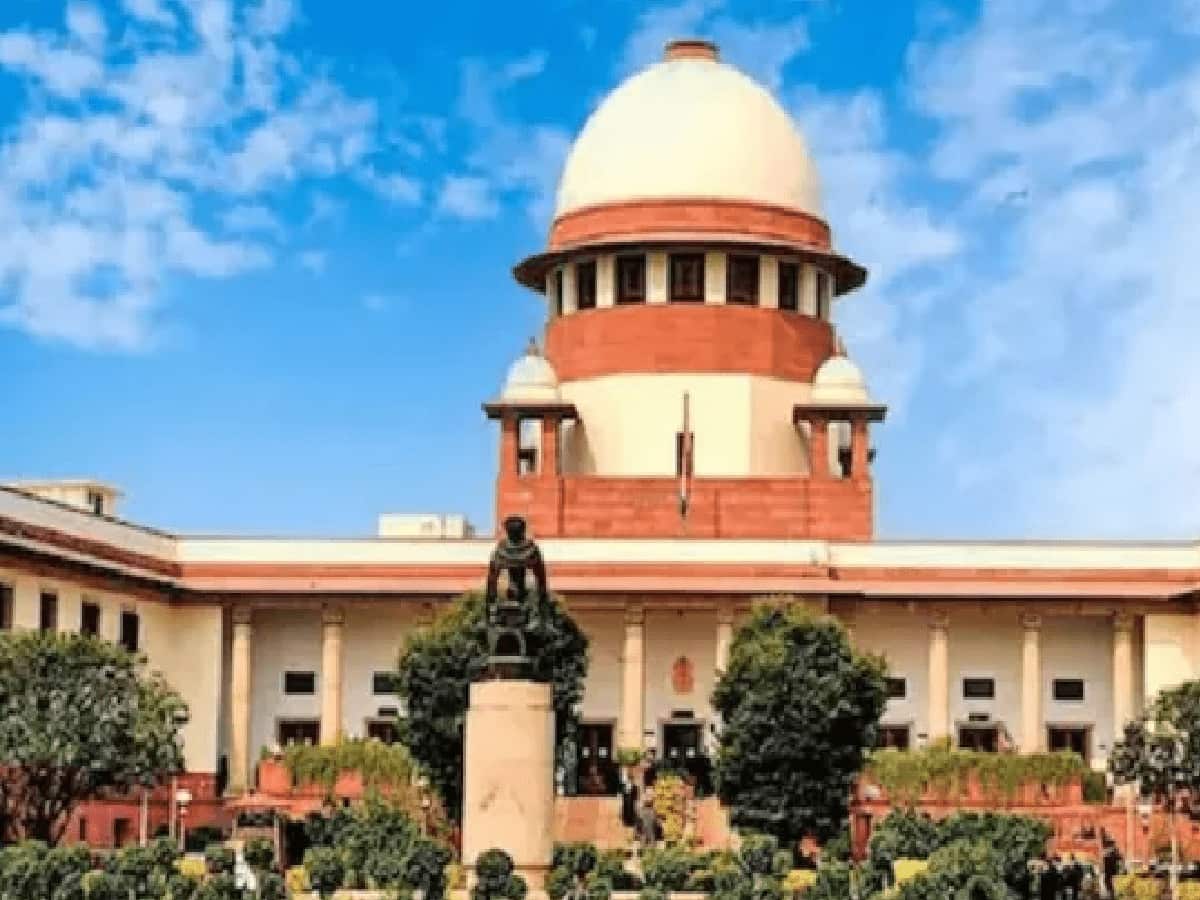
In a dramatic legal development carrying high constitutional stakes, the Supreme Court of India is holding a special Sunday hearing to adjudicate two urgent petitions arising from the massive administrative lockdown imposed across the national capital on October 10. The legal action includes a high-profile criminal contempt petition alongside a habeas corpus plea filed directly against top administrative and police leadership for allegedly violating specific judicial directives concerning public mobility during political demonstrations. The petitioners argue that the complete operational suspension of Delhi Metro stations and the abrupt cancellation of passenger trains inbound to the capital amounted to a willful breach of judicial guidelines balancing law enforcement powers with citizens’ fundamental right to freedom of movement.
CJI-Led Special Bench Convenes: High-Stakes Sunday Proceedings
Given the extraordinary urgency and public impact of the municipal shutdown, the apex court moved swiftly to schedule an extraordinary hearing on a non-working day:
Three-Judge Special Bench: The urgent petitions are being heard by a specially constituted bench headed by Chief Justice of India (CJI) Surya Kant alongside Justice Joymalya Bagchi and Justice V. Mohana.
Dual Urgent Pleas: The court is simultaneously addressing the contempt petition challenging the transit shutdown and a separate habeas corpus application challenging the widespread administrative detention of opposition political figures, advocates, and working journalists.
Direct Challenge to Administrative Action: The legal intervention seeks immediate judicial accountability regarding whether executive agencies overstepped lawful crowd-control limits to enforce a total logistical blockade of the National Capital Region.
Top Bureaucrats Named: Contempt Plea Accuses Authorities of Defying Judicial Directives
The contempt plea, filed by advocate Shailendra Mani Tripathi, brings direct legal scrutiny upon the senior-most rungs of the administrative and security establishment:
Key Respondents Impleaded: The petition formally names Union Home Secretary Govind Mohan, Delhi Police Commissioner Anurag Kumar, and Delhi Metro Rail Corporation (DMRC) Chairman D. Thara as primary respondents.
Allegations of Wilful Disobedience: Describing the transit halt as a deliberate assault on the fundamental rights of regular commuters, the petition alleges that the authorities acted in overt defiance of explicit court observations cautioning against blanket transport shutdowns.
Severe Commuter Harassment: Counsel argued that the unilateral shutdown of 57 critical metro stations and the suspension of regional train schedules turned an administrative bandobast into arbitrary public harassment, demanding strict penal action under the Contempt of Courts Act.
Balancing Law and Order with Public Transit: What the Apex Court Ruled on Friday
The ongoing contempt proceedings stem directly from binding remarks issued by the Chief Justice’s bench just 24 hours prior to the mass agitation:
Judicial Guardrails on Police Powers: While hearing an earlier urgent plea on Friday regarding preemptive transit restrictions, the bench led by CJI Surya Kant explicitly acknowledged that police and intelligence agencies possess full legal authority to maintain law and order.
Prohibition on Blanket Bans: The bench emphatically ruled that general citizens, office-goers, and daily commuters cannot be subjected to excessive harassment under the pretext of managing protests, categorically directing that there should be no blanket cessation of trains or metro connectivity servicing Delhi.
Core Contempt Claim: The petition asserts that by completely shuttering operations across key arterial stations and rail corridors on October 10, the administration and transit operators directly breached the court’s core directive, warranting immediate judicial intervention.