Fasting and buckwheat flour during Navratri
On the occasion of Navratri, people observe fast to seek the blessings of Goddess Durga. During this period many devotees fast for 9 days. Most of the fasting people like to consume puri, pakoda or cheela made from buckwheat flour as fruit food.
Identification of purity of buckwheat flour
However, you will be surprised to know that buckwheat flour available in the market can be harmful for your health. During festivals, it is adulterated in the greed for profit. Let us know how to identify the purity of buckwheat flour.
Ways to identify fake buckwheat flour
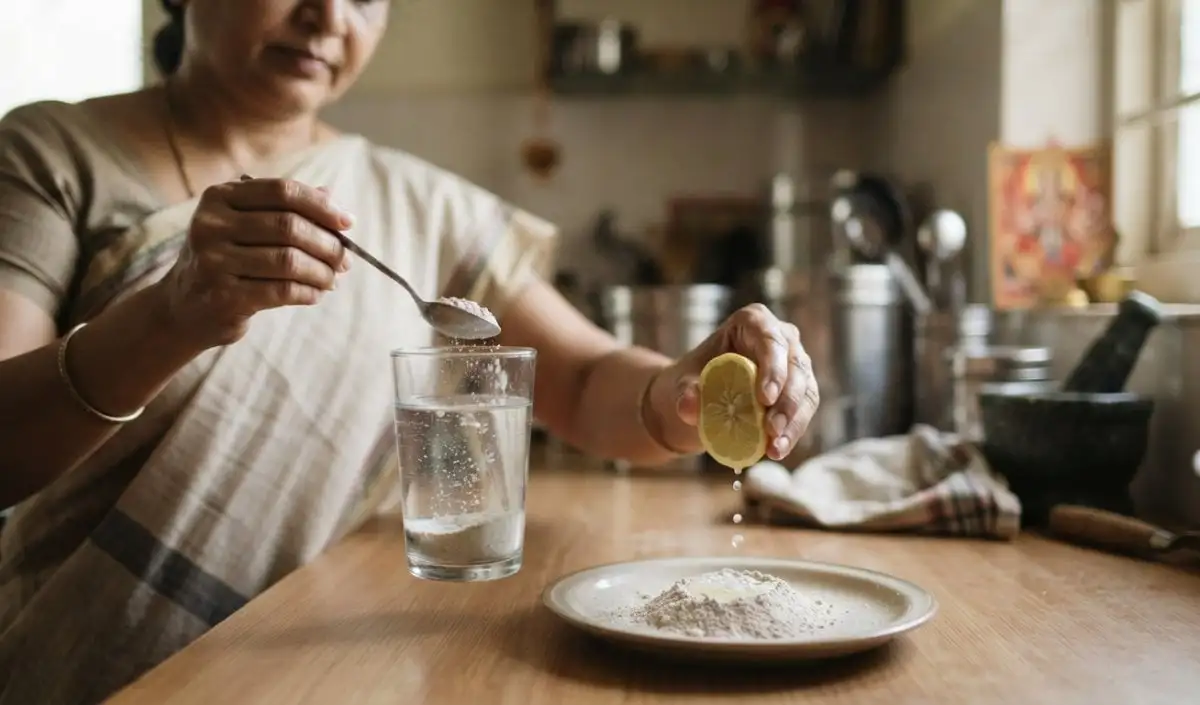
Water test: Fill a transparent glass with water and add one spoon of buckwheat flour in it. If the flour settles down slowly and the color of the water remains normal, then it is pure. But if the color of the water changes or something is seen floating on top, it may be adulterated.
Lemon Juice: Take some buckwheat flour in a bowl and pour lemon juice on it. If bubbles start rising in the flour, then understand that chalk powder or baking soda has been added to it, which is harmful for health.
Check by touch and smell: Real buckwheat flour feels slightly coarse to touch. If it is too smooth, it may be adulterated. Smell the flour; If it smells damp or bitter, it is old and spoiled.
Pay attention while kneading the dough: Buckwheat flour does not contain gluten, so it does not knead easily. If the dough stretches like wheat flour or forms a ball easily, it is a sign of adulteration.