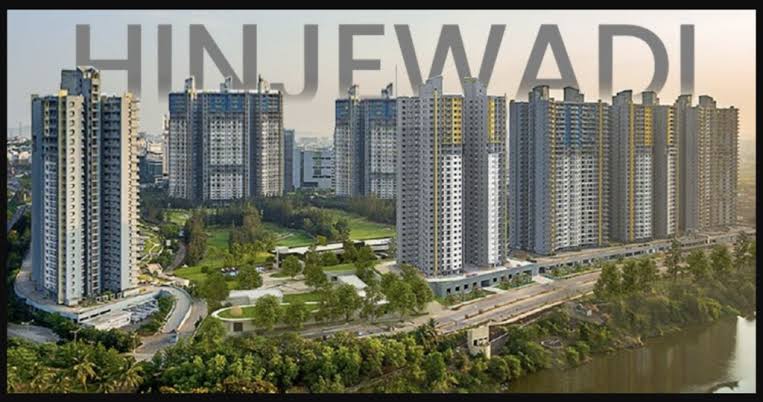
Pune’s long-awaited Hinjewadi-Shivajinagar Metro Line 3 has moved closer to passenger operations after 17 of its planned stations received safety clearance. The development brings the 23.2-kilometre elevated corridor closer to opening, offering hope to commuters travelling between Hinjewadi’s information technology hub and central Pune.
However, the official inauguration date and the start of regular passenger services have not yet been confirmed. Some technical work also remains to be completed before operations can begin.
17 Stations Receive Safety Clearance
The latest clearance covers five additional stations, taking the total number of stations approved for passenger operations to 17.
The corridor has 23 stations in total and connects Maan in Hinjewadi with Shivajinagar, passing through important residential, commercial and employment areas in western Pune.
The Pune Metropolitan Region Development Authority (PMRDA) is overseeing the project, which is being developed through a public-private partnership involving Pune IT City Metro Rail Limited.
The remaining six stations are still awaiting completion of the necessary work and approvals. Authorities will need to clarify the final operating arrangements before passenger services commence.
Which Areas Will the Metro Connect?
The metro will provide a direct public transport connection between Hinjewadi’s IT Park and central Pune, passing through several major locations.
Key areas along the route include:
- Hinjewadi and Maan: Major IT employment centres and surrounding residential areas.
- Wakad and Balewadi: Important residential and commercial neighbourhoods.
- Tracks: A growing business and residential destination.
- Pune University area: An important educational and institutional zone.
- Shivajinagar: A central transport hub with connections to Pune’s existing metro network.
The line is expected to improve connectivity for IT professionals and other commuters who currently depend heavily on private vehicles, buses and road-based transport.
How Much Time Could Commuters Save?
The 23.2-kilometre corridor is expected to provide a more predictable alternative to road travel, particularly during peak-hour congestion.
The journey between Maan and central Pune has been projected to take approximately 45 minutes, although actual travel times will depend on the final service pattern and operating schedule.
The metro could also reduce pressure on major roads connecting Hinjewadi with Wakad, Baner and Shivajinagar. Its effectiveness will depend partly on convenient access to stations and integration with feeder transport services.
Why Has the Project Been Delayed?
The project has faced multiple delays involving construction, land acquisition, traffic management, utility shifting and regulatory approvals.
Although safety clearances have now been received for 17 stations, the completion of technical requirements and the government’s decision on the inauguration remain important milestones.
November 3 has emerged as a possible inauguration date, but it has not been officially confirmed. Commuters should therefore wait for an announcement from the relevant authorities before planning around a launch date.
What Happens Next?
The immediate priorities are to complete the remaining technical work, establish the initial operating arrangements and announce the formal inauguration and passenger-service schedule.
Ticket fares are also yet to be officially announced. The opening of Line 3 would represent a significant addition to Pune’s public transport network, particularly for people travelling regularly between the IT corridor and the city centre.
Summary
Pune’s Hinjewadi-Shivajinagar Metro Line 3 is nearing passenger operations after 17 of its 23 stations received safety clearance. The 23.2-kilometre corridor will connect Maan and Hinjewadi with Wakad, Balewadi, Baner and Shivajinagar. Some technical work remains, and the inauguration date and ticket fares have not been officially confirmed. The service is expected to improve connectivity and reduce reliance on congested roads.