When we talk about the price of a car on our website, we often talk about its ex-showroom price. The actual cost of taking it home will be very different. Insurance, registration, accessories and other charges can push up the final bill, sometimes by tens of thousands of rupees. However, if you are someone who would like to ensure maximum savings on the purchase, here are four things to do to avoid unnecessary expenses and potentially save thousands of rupees. The savings mentioned here will vary with the car, its segment and price point. To make comprehension easy, let’s take the case of a Rs 15-lakh car/SUV.
Image used for representation only
Some dealerships may add charges under names such as handling, logistics, incidental expenses or vehicle preparation. These can range from Rs 5,000 to Rs 35,000, depending on the dealer, region, and vehicle.
Sales executives may explain that these fees cover transportation from the stockyard to the showroom, transit insurance, fuel for pre-delivery inspection (PDI), washing and unloading. They may sound convincing but that’s just a good salesman doing his job. As a customer, you should realise that these charges are outright illegal! They need to be questioned.
The ex-showroom price of a car generally includes the manufacturer’s pricing and dealer margin, along with applicable costs built into the vehicle’s price. Additional handling or logistics fee are not mandatory payments. They have also been challenged through transport department directions and by consumer courts in the past. So, if the dealer refuses to take these off, you can take the legal route for a resolution.
The first step to do in such cases is to ask the dealer to remove these charges from the quotation, before paying the booking balance. If the sales advisor says the billing system does not allow its removal, ask for a written explanation on the dealer’s letterhead, stating why the fee is being levied.
If the dealer gives the same, escalate it to the manufacturer’s regional sales manager or customer care team via email along with the quotation sheet, asking the manufacturer to clarify whether the charge is authorised. In most cases, this should solve the problem. Dealers typically waive this fee within hours of manufacturer escalation.
Possible savings: Up to 35,000
Image used for representation only
Insurance is another important area where the buyer can save a lot of money. The insurance amount is directly linked to the price and specifications of the car. A 15 lakh rupee car typically commands an insurance amount in the range of Rs 45000 to Rs 75000, depending on actual specifications. The Own Damage (OD) premium alone can go up to Rs 40,000. There will be mandatory third-party cover as well. The third component is add-ons like return to invoice.
The law requires you to have valid car insurance from an IRDAI-registered (Insurance Regulatory and Development Authority of India) insurer. Most dealerships push customers toward taking dealer bundled insurance packages, some even claim that purchasing in-house insurance is mandatory for cashless claims and fast approvals, deliveries, and registrations.
The reality, however, is that dealer-bundled insurance often comes with massive commissions and inflated OD premiums infused into them. They are, therefore, more expensive than those purchased from standalone insurance companies or aggregators, in most cases. More importantly, they often bundle unnecessary, low-utility add-ons. Selecting the right add-ons is critical. The likes of Engine Protect and Return To Invoice are highly recommended.
The best way to tackle this is to take the car’s exact variant code, state RTO and IDV (Insured Declared Value) – 95% of ex-showroom price- and pull quotes from online aggregators and standalone general insurance companies. Compare the prices you get from there with those issued by the dealer before arriving at a decision. Make sure the add-ons are identical (and meaningful) in both cases. Another way is to take the aggregator/ standalone insurer-issued quotation to the dealership and asking them to match the two premiums with the right add-ons. If they disagree, buy the policy independently. In most cases, around Rs 20,000 can be saved in insurance alone.
Possible savings: Up to Rs 20,000
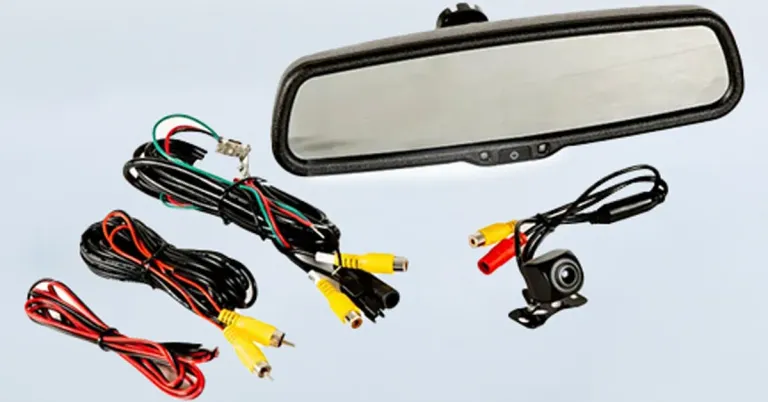
Image used for representation only
Basic accessory packages can add a handsome figure (often tens of thousands of rupees) to the total bill amount. You can save significantly if you choose your accessories wisely. Dealerships make good money on accessories- margins on them are high. Basic packages often include floor mats, mud flaps, car perfumes, car cover, garnishes and more. Some dealers may present the package as a standard requirement for delivery. This is not true. Any claim that these accessories are compulsory should be questioned.
In many cases, the quality may not justify the price premium carried by dealer-supplied accessories. The best practice is to depend on the dealer for accessories that are linked in some way to the car’s electrical systems – lamps, rearview cameras etc. Rest of them can be bought from the aftermarket at much cheaper rates.
For a 15-lakh-rupee car, accessories costs can stretch up to Rs 40,000. With careful planning, a sizeable sum can be shaved off from this. The actual extent will vary based on individual preferences.
Possible savings: Up to Rs 40,000
Registration and road tax are essential parts of a new car purchase. Some dealers’ quotation may include additional charges for documentation, RTO facilitation, liaison services, file movement or smart card processing. These can add up to Rs 10,000 in some cases. Dealers may describe them as necessary for handling paperwork and completing registration. The buyer should separate government charges from the dealership’s service fee. Road tax and registration fees are determined by the applicable state rules and central regulations. The buyer can check these online and ask for supporting receipts.
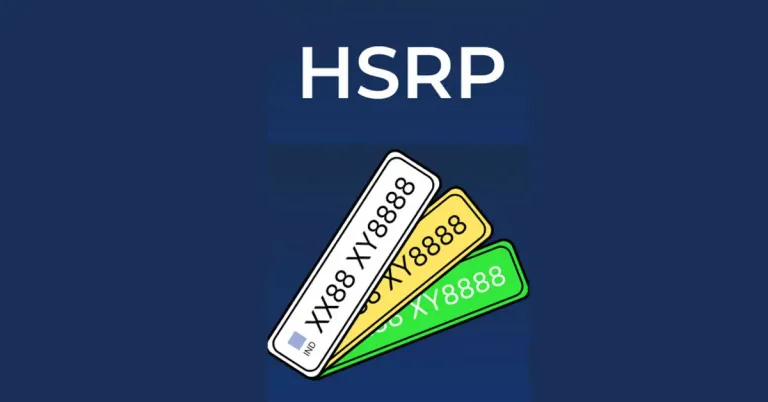
Image used for representation only
High-Security Registration Plates (HSRPs) are mandatory, but buyers should check how the plate cost is accounted for in the quotation.Ask the dealer for a detailed breakdown showing the road tax, registration fee and other government payments separately from any service or documentation fee. Check the amounts against the relevant official payment details and receipts.
If the quotation includes a fee labelled RTO Service Fee, Liaison Fee or Document Handling charges, ask what service it covers and whether payment is optional. Do not confuse a legitimate statutory payment with a dealer’s own service charge.
Bottomline is that even if you do all these, the exact savings will depend on multiple factors like the car, state, insurance requirements and dealer quotation. That said, it is highly recommended that you keep these pointers in mind while going car shopping.
Possible savings: Up To Rs 10,000