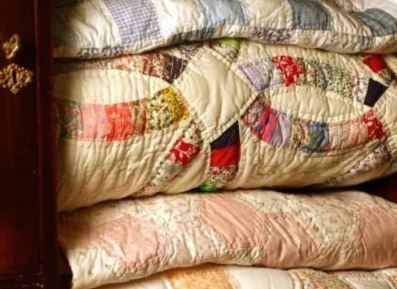
Lifestyle Desk – As soon as the winter season starts, people start taking out blankets, quilts and hot mattresses kept in the cupboard. Due to being kept in a closed place for several months, they start emitting a strange smell. Sometimes there is a feeling of dampness in the bed, and somewhere dust and small particles get accumulated. In such a situation, covering a blanket or quilt directly without cleaning it can cause problems, especially for those who are allergic to dust.
In fact, keeping clothes and bedding in a humid place for a long time can increase the risk of fungus growing in them. Therefore, it is important to clean and dry the warm bed thoroughly before the onset of winter. By adopting some easy home remedies, you can prepare blankets and quilts for reuse.
First show sunlight to the blanket-quilt
After removing blankets and quilts from the cupboard, first keep them in open air and sunlight. Spread them out on a clean surface, so that air can reach all parts of the cloth. Keep turning occasionally, so that both sides get adequate air circulation. Sunlight and wind can help reduce the slight musty odor that has accumulated and remove moisture. However, mere exposure to sunlight does not guarantee the elimination of all bacteria or fungus. If there are signs of mold or persistent strong odor on the bed, proper cleaning is necessary.
Remove dust thoroughly before use
Dust can accumulate on blankets and quilts due to being kept in the cupboard for several months. Spread them outside in a clean place and dust them gently. While doing this, keep the nose and mouth covered, so that dust particles do not get inhaled. If you have dust allergies or respiratory problems, it would be better to have someone else do the work. A suitable vacuum cleaner can be used to clean thick mattresses and bedding that cannot be washed. This helps in removing dust and fine particles present on the surface.
Be sure to check the label of the clothing before washing.
Not every blanket and quilt can be washed the same way. Some lightweight blankets can be washed at home, while heavier comforters, wool blankets and bedding with special fillings may require special cleaning. Read the manufacturer’s instructions before washing. If machine washing is permitted, choose the correct water temperature and appropriate detergent for the fabric. Do not put bedding that is heavier than the machine’s capacity. Use a professional washing service if needed.
It is necessary to dry completely to remove the smell.
Moisture can also be a reason for bad smell in blankets and quilts. If they are not dried properly after washing, odors may reappear and the risk of mold growth may increase. Dry the washed bedding in a well-ventilated area. Do not keep a thick quilt in the cupboard only after seeing it dry on the outside, as the filling inside may remain damp. Make sure the fabric and its interior are completely dry before using or storing them. If there is a slight musty smell coming from unwashed bedding, leaving it out in the open air for some time may help. But if strong odor, moisture or traces of mold persist, then get the cleaning done instead of hiding the smell by simply using scented spray.
Clean the cupboard thoroughly too
Along with cleaning the blankets and quilts, it is also important to clean the cupboard in which they were kept. First of all, remove the remaining items from the cupboard and clean the dust with a dry cloth. If necessary, wipe the surface with a suitable cleaning cloth and allow the cupboard to dry completely with the door open. If you notice signs of moisture or mold in the cupboard, find out the cause. If there is water leakage from the wall or excess moisture in the room, it is important to solve it first. The problem of dampness will not be solved by merely keeping scented substances.
Keep blankets and quilts like this for next winter
Pay attention to cleaning and drying your heated bedding before putting it back away after winter. After this take some precautions.
- Keep blankets and quilts only after they are completely dry.
- Use clean and dry cloth storage bags.
- Maintain proper ventilation in the cupboard.
- Do not place the bed in direct contact with damp walls or floors.
- When kept closed for a long time, check from time to time for moisture or mold.
- Limit the use of strongly scented items, especially if anyone in the house has allergies or respiratory problems.
Can wearing a smelly blanket cause problems?
A musty smell does not always mean that harmful bacteria are present in the blanket. But if the odor is accompanied by moisture, mold, or visible stains, the bed should not be used without cleaning. Fungal particles may cause sneezing, runny nose, eye irritation, or increased respiratory symptoms in some people. If there is mold in the bed, avoid vigorously dusting it inside the house. Dust and mold particles may spread during cleaning. Get proper cleaning done depending on the material of such bedding and consider replacing it if needed.