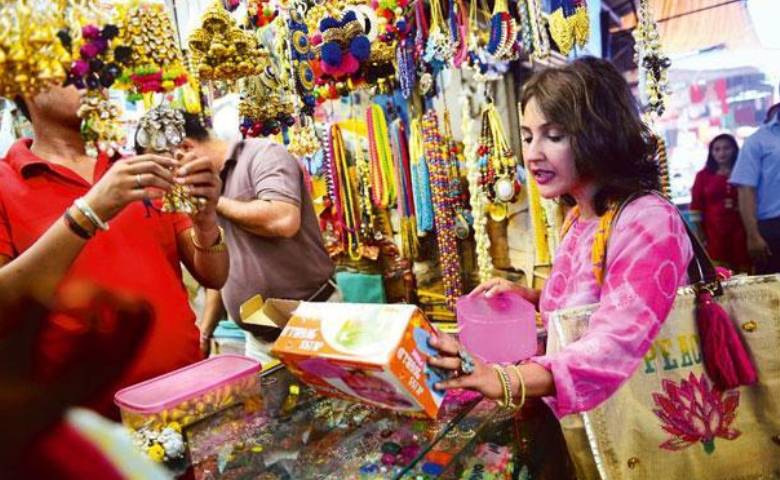
Business News : For Vaishali, a resident of Delhi, Navratri is not only a time of worship, but also a time to decorate the house and buy family. Earlier, she used to go to the market to buy ornaments, but this time she bought from local women artisans and started making ornaments at home. This provided her with the products she needed and also generated income for the women artisans for whom the festive season brings significant employment opportunities.
From the hustle and bustle of festivals to app-based shopping
The festive season that starts after the parent party increases the demand in markets like traditional fashion, home decor and gifts. According to “The Marketer’s Guide to India’s Festive Season 2026”, an October 2026 report by digital and mobile advertising companies InMobi Advertising and Glance, 77% of Indian shoppers have increased their festive shopping budgets compared to last year. Three out of five buyers plan to spend more than Rs.10,000. The survey was conducted among 1,110 people.
Major role of women in family shopping during festivals
According to senior economist Akash Jindal, with women’s incomes rising, their role in family purchasing decisions is also increasing. He says that as women’s economic power increases, their role in decision-making is also increasing. Women are playing a major role in deciding what to buy for the family during festivals.
Digital platforms are also changing the way of doing business for Riddhima, who runs an ethnic fashion brand in Bhopal. Apps and social-commerce platforms have made it easier to get and deliver orders for customized festival wear, she says. This year, its orders for the first week of Navratri have increased by 30 percent compared to last year. Digital payments and logistics support have also made its business easier.
The engine of women’s economy: the festival market
Earlier, festive shopping involved going to markets, visiting tailors and spending a lot of time preparing. Online shopping and digital payments have opened up new avenues for both consumers and small businesses. According to the report, the size of West Bengal’s Durga Puja economy was estimated to reach Rs 46,000 to Rs 50,000 crore. Women play an important role in the craft and traditional art sectors associated with this economy. According to UNESCO data, 58% of the beneficiaries of West Bengal’s Rural Crafts and Cultural Center project are women. However, this figure does not reflect the total share of women in the Durga Puja economy.
According to Akash Jindal, online platforms have reduced barriers for women to start a business. Earlier, opening a showroom and selling goods required numerous arrangements. Now, women can start online ventures and sell their goods from home. This has made their business management operationally easier.
Increasing demand for sarees, jewelery and beauty products
According to a report by the Clothing Manufacturers Association of India (CMAI), India’s apparel market was valued at around $95.7 billion in 2025 and is projected to reach $146.3 billion by 2029. The report also estimates an 8.9% annual growth in women’s clothing sales.
Tanya, who works in a multinational company in Mumbai, needed an ethnic saree and oxidized jewelery set before a Navratri garba event. Between office and home chores, he didn’t have time to go to the market, so he turned to AI-based styling apps and quick-commerce platforms. She got the perfect combination and everything including the makeup kit was delivered to her home.
According to Jindal, the role of women is not limited to shopping. They are also introducing new products based on market demand. In gifting and women’s products, women entrepreneurs benefit from a better understanding of other women’s needs and interests, she says. Women are playing a growing role on both the supply and demand side of the festival market.
Will the digital festival model be sustainable?
In the future, traditional markets and digital shopping may coexist. Consumers who prefer to shop out will prefer offline stores, while those who are short on time will use apps. The true test of a woman’s economy is not simply in faster delivery or increased sales. The big question is whether digital platforms are creating regular income, better access and sustainable business opportunities for women artisans and small businesses. The growing role of women in the festival economy will only be a lasting change if their purchasing power also increases with their economic independence.