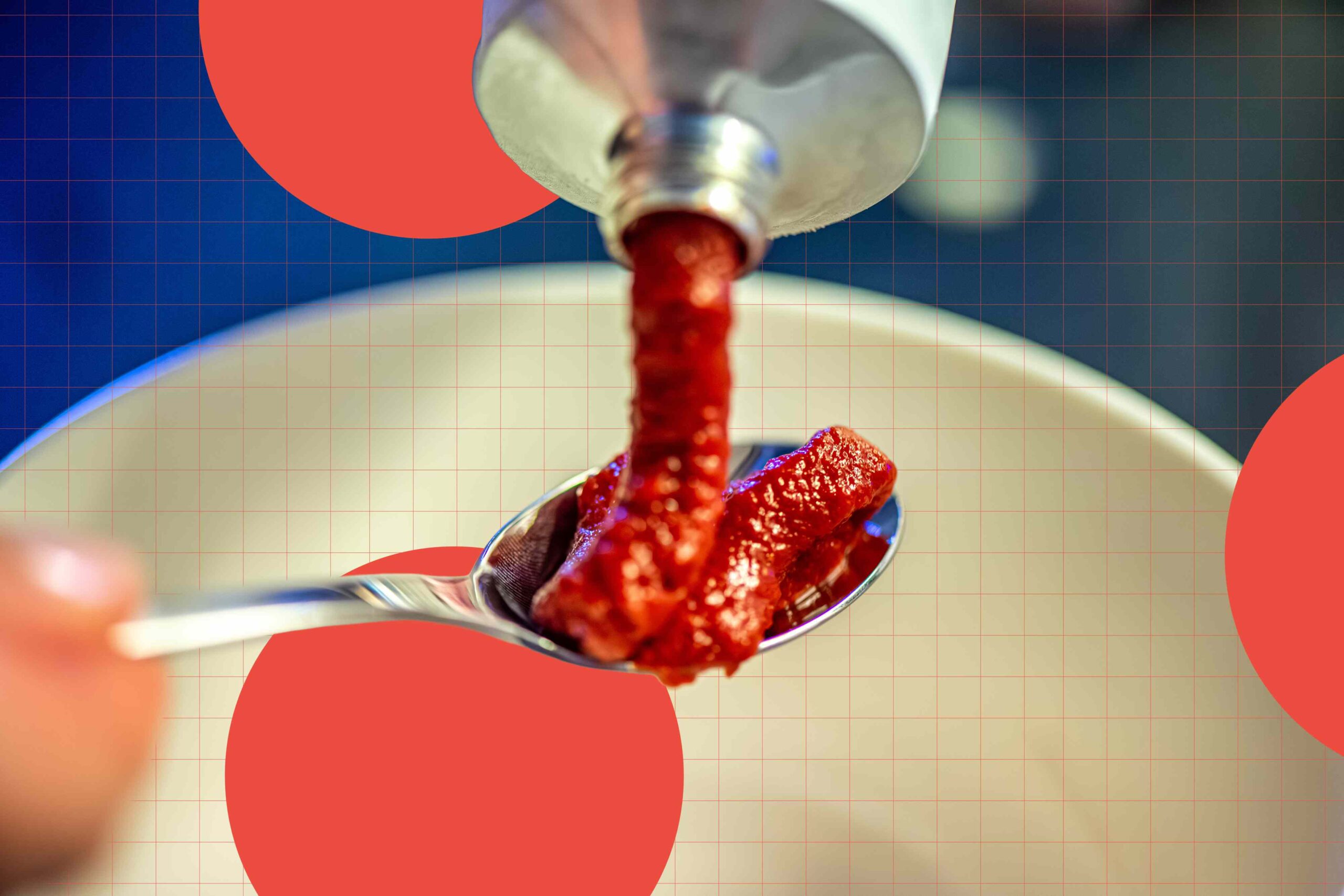
The unanimous choice among top-level culinarians is Amore. Here’s why they picked it.
Reviewed by Dietitian Katey Davidson, M.Sc.FN, RD, CPT
Key Points
- Chefs say that Amore is a top choice for tomato paste.
- They use it for its convenience, rich flavor and versatility.
- Tomato paste can be used in many dishes, from meat sauces to vegetable dishes.
Ask any chef worth their salt which of Auguste Escoffier’s five famed mother sauces is best with meat, and they’ll tell you that an Espagnole base provides the backbone for nearly anything they create. Espagnole sauce is composed of stock, a dark roux, mirepoix and tomato paste.
The last of those ingredients is an unsung hero in professional kitchens. From classic French cuisine to Michelin-recognized Japanese-style innovations, concentrated tomato paste proves itself to be a necessary tool for whatever chefs dream up. We spoke to three accomplished chefs from around the country and learned that they all have the same favorite: Amore Double-Concentrated Tomato Paste.
Why Chefs Recommend Amore
Convenience of Use
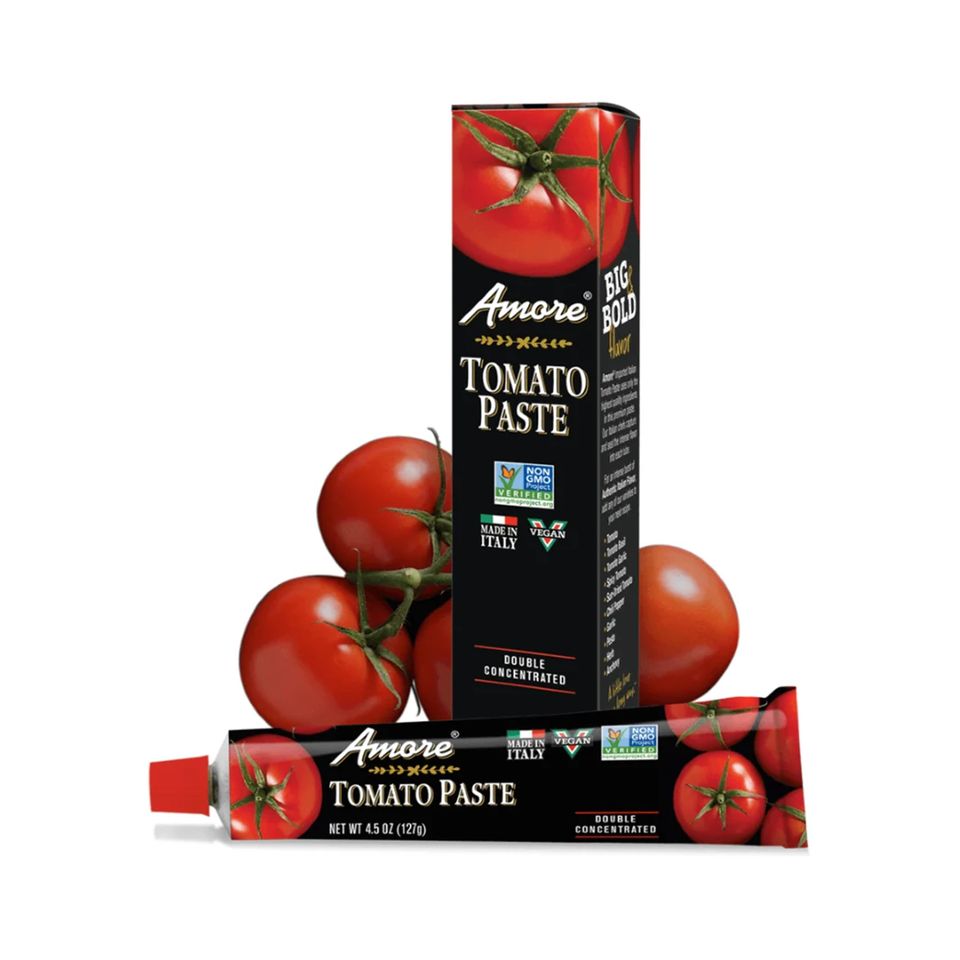
Executive chef Charlie Mitchell of New York City’s two-Michelin-starred Saga is known for his imaginative tasting menus. The first Black chef in the city to earn a Michelin star, Mitchell grew to love food while helping his grandmother cook Sunday suppers. Today, he reports “an irrational fear of cans” that drove him to use Amore, which is sold in 4.5-ounce tubes.
“It’s always annoying when you need like 20 grams of tomato paste, and you have to open this huge can,” he says of making sauces for proteins at his restaurant. “So I was like, ‘This is the smartest packaging ever, and it’s so convenient.’”
Superior Flavor
Though he uses tomato paste only sparingly at his Michelin-starred fine-dining restaurant in San Francisco, Nisei, chef David Yoshimura says that he loves to apply Amore to his home cooking.
“It provides a high level of umami, which is one of my favorite things to work with,” he says. “I like to use it whenever I’m making stocks or sauces that need to have a tomato element.”
Nostalgia Factor
Amore tomato paste has been available in the United States since 1978, and chef Courtney Contos has been familiar with it almost that long. The French-trained Florida chef and culinary educator grew up in her father’s Chicago restaurants and says she’s used Amore for more than 30 years.
She appreciates the product’s “flavor, consistency and nostalgic energy.” The last of these derives from shopping for it with her mother at a favorite Chicago Italian market. “We loved that it’s made with Italian tomatoes and, of course, we loved the idea that we could keep the tube in the fridge and use it as needed for recipes,” she explains.
What Chefs Look For in Tomato Paste
When it comes to selecting a tomato paste, Contos says that the product has to compete with what she has made herself from homegrown fruits. “You really get to appreciate tomato paste when you make it from scratch at least once in your life. It changes the whole vision for you,” she says.
How does that inform her choice? She says that she looks for a high concentration of Italian-grown tomatoes, no genetic modification, natural sweetness and “beautiful color.”
Yoshimura says that he seeks out a depth of flavor when choosing a tomato paste. For example, when he’s making tomato sauce, he aims for a flavor that’s both “hearty and rich.”
Mitchell adds that many pastes lean too “raw-tomato acidic,” or even worse, can taste metallic due to storage in cans. As he puts it, the flavor of Amore is “just better.”
Ways to Use Tomato Paste
Meat Sauce
As we mentioned before, Espagnole sauce, recognized since the turn of the 20th century as one of the mother bases of French cooking, serves as a jumping-off point for many rich brown sauces that accompany animal proteins. At Saga, Mitchell uses tomato paste in the classic French chicken jus that’s the base for nearly every sauce paired with meat on his menu.
Sauce Pasta
At Saga’s family meal—the simple dinner shared by staff each day at the restaurant—Mitchell uses Amore in pasta dishes, including “a spicy rigatoni or a penne or a little baked ziti situation.” Rather than cooking down tomatoes, he combines tomato paste, white wine and butter for a quick and easy sauce. “If you’re a touch-of-cream kind of person, you can do that, too,” he adds.
Yoshimura uses tomato paste rather than canned or fresh tomatoes in his Bolognese sauce, which is unapologetically rich in flavor. Contos agrees that it’s not pasta night without her tube of Amore. “I will always put Amore into my Sunday sauce,” she says.
Hash
Contos currently lives in Florida, a prime spot for Cuban delights. For the meaty Caribbean classic dish, she combines ground beef with onions, garlic, cumin, oregano, white wine and raisins, along with a dose of tomato paste to add some umami and acid.
Vegetable Demi-Glace
At Nisei, Yoshimura uses tomato paste in his silky vegetable demi-glace. “It’s a vegetable stock that we make with kombu and shiitake,” he explains. He adds deeply caramelized vegetables and tomato paste, then deglazes the mixture with sake. “Tomato paste is kind of essential whenever you’re making a classic stock like that,” he says.
In Place of Ketchup
Yoshimura says that he uses Amore in his homemade Bloody Mary mix and in many of the Mexican dishes he prepares in his spare time, but sometimes the paste comes in handy in a pinch. “If I don’t have ketchup around, I’ll just kind of make like a fake ketchup,” he says. With a base of tomato paste, he adds vinegar and sugar to replicate the sweet and tangy flavor of America’s favorite condiment.
Spread It on Toast
Contos reels off myriad applications for her favorite tomato paste, including cinnamon-inflected Greek-style green beans, garlic-topped deviled eggs and European lentil soup, but she also recommends an occasional spoonful of the stuff all on its own. “I always put a smidge on my finger and pop it into my mouth. It’s delicious just on its own. I love tasting the sun, the landscape and savoring the terroir,” she says. For a more complete dish, spread some on toast, paired with sea salt, a chiffonade of basil and olive oil.
Our Expert Take
Tomatoes bring a bright zip to many of our favorite dishes, but there are often times when fresh or canned tomatoes will result in a watery recipe rather than the velvety umami contributed by a squeeze of tomato paste. Chefs agree that Amore’s classic black tubes are the best of the best for recipes both in their Michelin-recognized restaurants and at home. If it’s good enough for them, it’s good enough for us.