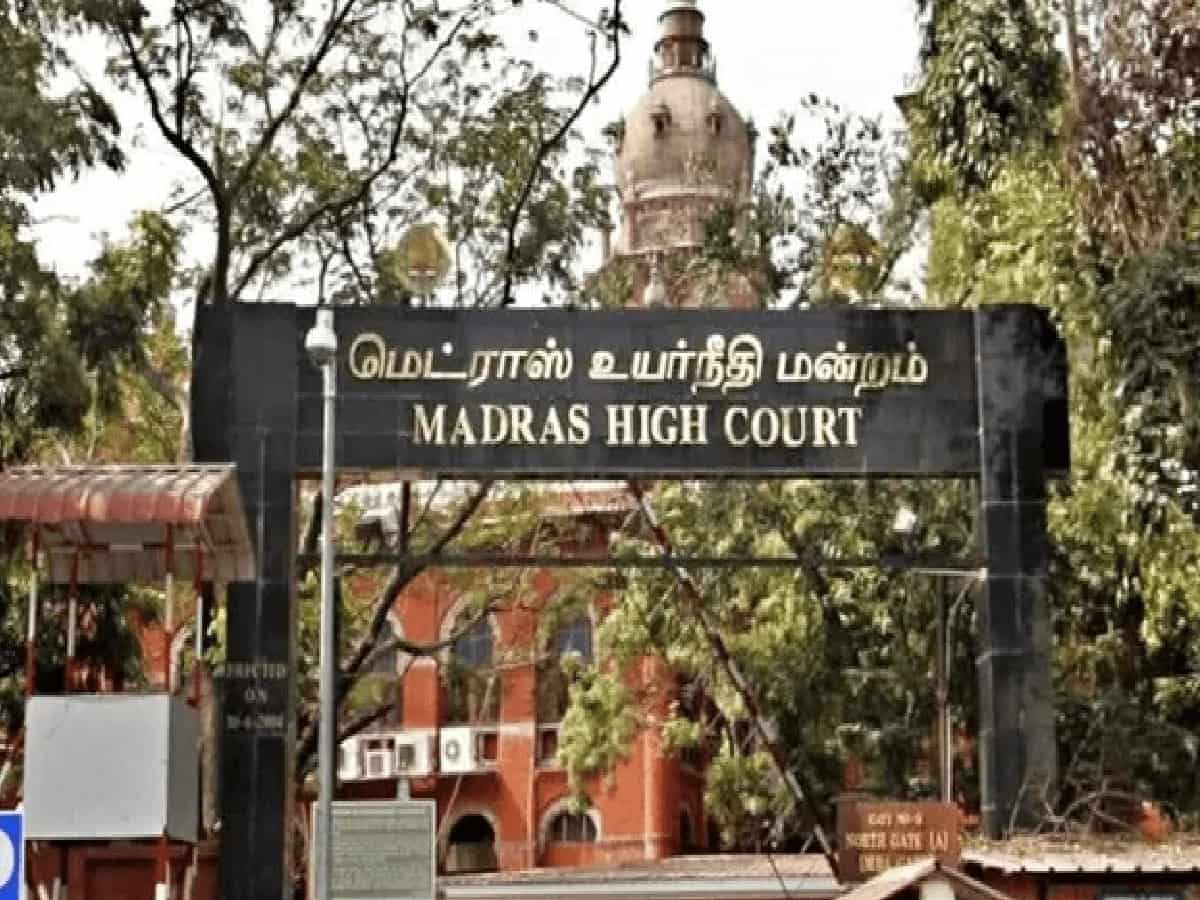
In a landmark constitutional ruling on legislative procedures, the Madras High Court on Tuesday upheld the decision of Tamil Nadu Legislative Assembly Speaker JCD Prabhakar to accept the resignations of six AIADMK MLAs who subsequently switched allegiance to the ruling Tamilaga Vettri Kazhagam (TVK) led by Chief Minister C. Joseph Vijay. Presided over by a division bench comprising Chief Justice Sushrut Arvind Dharmadhikari and Justice G. Arul Murugan, the court dismissed a legal challenge brought by AIADMK Chief Whip Agri SS Krishnamurthy, establishing that the voluntary resignation of an elected representative remains distinct from anti-defection proceedings under the Indian Constitution.
Resignation vs Disqualification: Key Constitutional Clarification Under Tenth Schedule
The High Court drew a clear legal boundary between voluntary resignation and Tenth Schedule defection proceedings:
Voluntary and Genuine Resignations: The division bench observed that the resignations tendered by the MLAs met the criteria of being voluntary and authentic, affirming that the Assembly Speaker is not legally bound to conduct an elaborate inquiry into underlying political motives before accepting them.
Independent Legal Tracks: The bench clarified that resignation under Article 190 and disqualification under the Tenth Schedule are separate constitutional mechanisms, ruling that a pending anti-defection plea does not automatically block a Speaker from accepting an MLA’s resignation.
Continuance of Defection Inquiries: Crucially, the court emphasized that accepting a member’s resignation does not extinguish existing disqualification petitions, directing Speaker JCD Prabhakar to deliver a definitive verdict regarding the disqualification pleas against S. Jayakumar, Maragatham Kumaravel, P. Sathyabama, and Esakki Subbiah within two months.
Judicial Review Warning: The bench cautioned that if the Speaker fails to adjudicate the disqualification petitions within the two-month timeframe, the High Court reserves the authority to step in and exercise judicial review under Article 226 of the Constitution.
Supreme Court Grants CBI Three-Month Extension in Chhattisgarh Custodial Death Case
Parallel to the Chennai ruling, the Supreme Court of India on Tuesday issued significant directions regarding state accountability in custodial fatalities:
Three-Month Probe Extension: A Supreme Court bench comprising Justice Vikram Nath and Justice Sandeep Mehta granted the Central Bureau of Investigation (CBI) an additional three months to wrap up its probe into the 2024 custodial demise of 34-year-old Shravan Suryavanshi in Chhattisgarh, listing the matter for review on February 2.
Compensation and Criminal Directives: The apex court had previously directed the Chhattisgarh government to disperse ₹25 lakh in compensation to Suryavanshi’s widow and children, while directing the CBI Director to register regular criminal proceedings against errant personnel.
Displeasure Over Administrative Inaction: Criticizing the Chhattisgarh authorities for perceived attempts to protect responsible staff, the top court cited the judicial magistrate’s inquest report attributing the Bilaspur Central Jail inmate’s death on January 22, 2024, to severe head injury complications, ordering strict prosecution of all guilty officials under applicable criminal law.