By: The Obnews Editorial Team
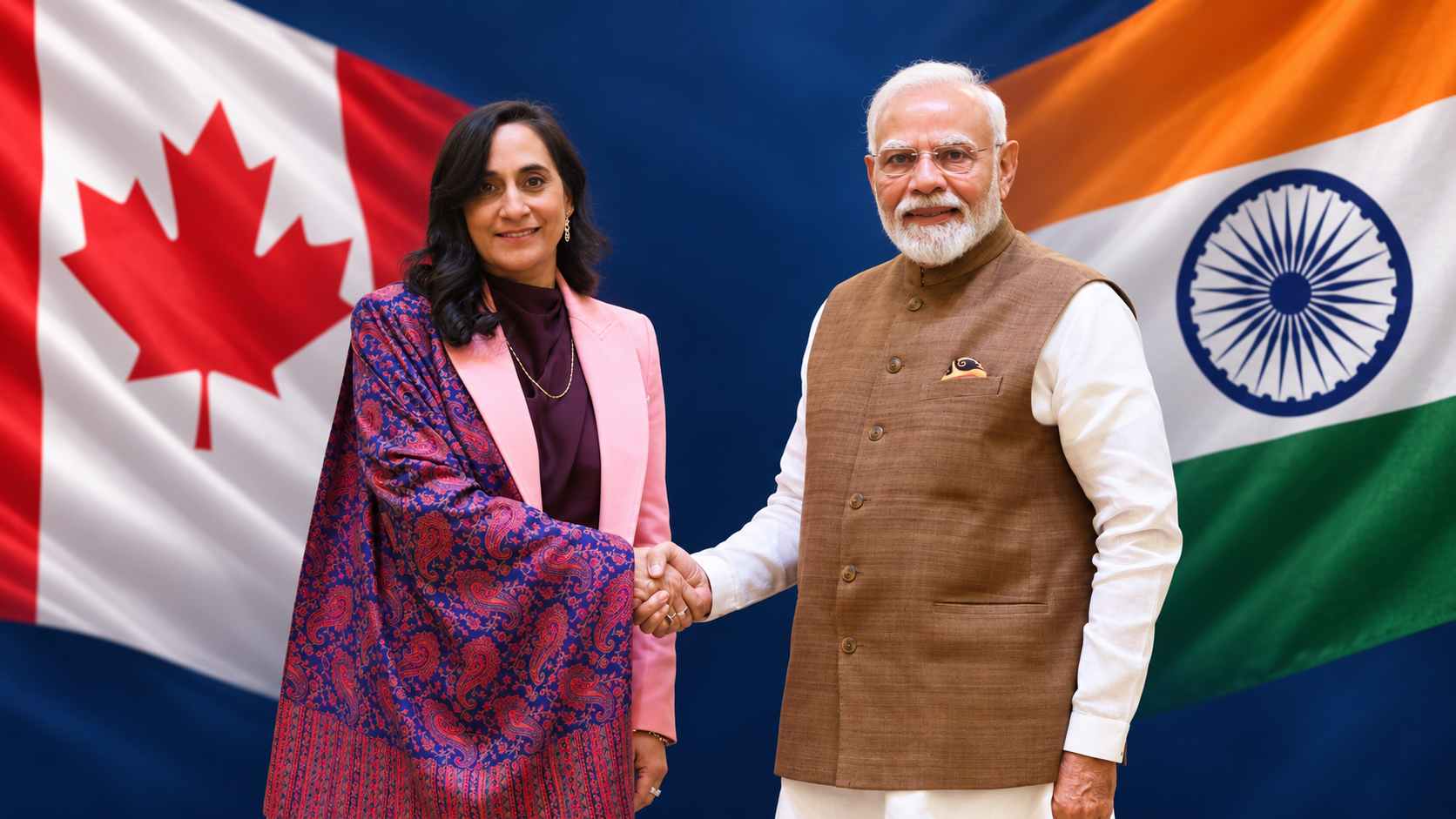
Canada and India are accelerating efforts to strengthen economic and security ties, with Foreign Affairs Minister Anita Anand meeting Prime Minister Narendra Modi in New Delhi on Wednesday, October 14. The discussions come as both governments pursue a comprehensive trade agreement and prepare for Modi’s planned visit to Canada in December.
According to India’s official account, Anand and Modi discussed cooperation in trade, science and technology, defence, security, energy, education and people-to-people exchanges. Modi emphasized the importance of translating the renewed diplomatic engagement into tangible results, including an early conclusion to negotiations on a Comprehensive Economic Partnership Agreement, commonly known as CEPA.


The meeting followed a telephone conversation between Prime Minister Mark Carney and Modi on October 13. Canada’s Prime Minister’s Office said the leaders reaffirmed their commitment to concluding trade negotiations as soon as possible and welcomed growing engagement in finance, defence, security and artificial intelligence. Its statement also confirmed plans for Modi to visit Canada in December, although exact dates and destinations were not provided.
The economic ambitions are significant. Global Affairs Canada reports that bilateral trade in goods and services reached C$30.4 billion in 2025, while Ottawa is targeting C$70 billion in annual trade with India by 2030. Both governments are working toward completing CEPA negotiations by the end of 2026. The proposed agreement remains under negotiation, and the trade target represents a future objective rather than a completed commercial commitment.
That diplomatic effort is being accompanied by Canada’s largest trade delegation to India in more than three decades. International Trade Minister Maninder Sidhu is leading nearly 300 delegates on an October 12–17 mission to Mumbai and Bengaluru, connecting Canadian companies with potential customers, investors and industry partners. Participating businesses represent aerospace and space, clean technology, energy transition, information and communication technology, life sciences and agri-food.
For Ottawa, expanding the relationship forms part of a broader effort to diversify Canada’s international trade. Anand told Reuters on October 14 that the India negotiations support Canada’s strategy to reduce reliance on the United States and strengthen economic resilience through a wider network of commercial partnerships.

Anand also met Indian External Affairs Minister S. Jaishankar during her visit. The ministers reviewed progress under the bilateral roadmap launched a year earlier and discussed trade, energy, people-to-people ties, defence and security. Their talks also covered the Middle East conflict and Russia’s war in Ukraine. Global Affairs Canada had described the engagement as their 11th meeting since September 2025, reflecting sustained contact between the two governments.
Security cooperation has become an increasingly detailed component of the relationship. David Morrison, Carney’s senior diplomatic and international affairs adviser, visited India from October 5–7 for talks with National Security Adviser Ajit Doval. The discussions reviewed a shared security work plan formalized in February and identified further cooperation against organized crime, terrorism, violent extremism, human and drug trafficking, cybercrime and extortion. The official Canadian readout also referred to cooperation concerning the extradition of criminal offenders and improved information-sharing.
The renewed engagement follows the diplomatic rupture surrounding the 2023 killing of Hardeep Singh Nijjar in Canada. Anand told Reuters that restoring relations remains a gradual process, with national security and the rule of law central to that effort.
The current discussions build on Carney’s official visit to India from February 27 to March 2, the first bilateral visit by a Canadian prime minister since 2018. That visit established commitments across energy, critical minerals, education and research. Among the concrete commercial outcomes was a C$2.6-billion agreement between Cameco and India’s Department of Atomic Energy for the long-term supply of uranium.
Education and personal connections also remain central to the partnership. The March joint statement supported expanded cooperation between universities, research institutions and industry, including joint academic programs and research exchanges. It marked 79 years of diplomatic relations, underscoring the long history behind the families, students, professionals and businesses connecting the two countries.
With Modi’s December visit approaching, both governments face the task of converting their stated ambitions into further agreements. The latest announcements demonstrate sustained engagement across trade and security, while leaving the final terms and completion date of CEPA unresolved. For Canadian and Indian businesses, the outcome of those negotiations will be a key measure of the renewed partnership’s practical value.