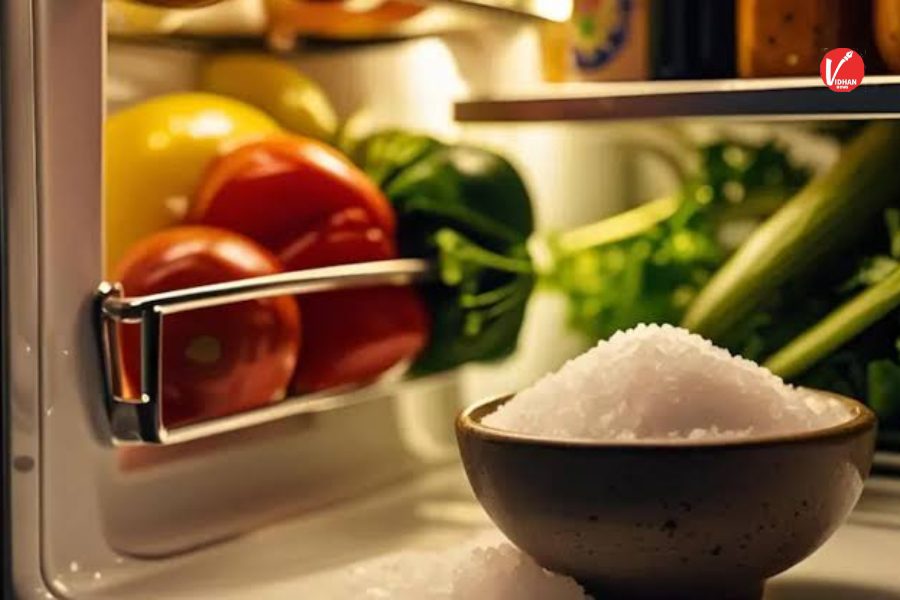
Food Storage Tips: If food is left over at night, most people keep it in the fridge instead of throwing it away. The same food is heated and eaten the next day in the afternoon or night. This prevents wastage of food and also saves the effort of cooking again. But is every type of food kept in the refrigerator safe to eat the next day? The answer depends on how long the food was left out and how it was stored.
It is especially important to keep things like pulses, rice, vegetables and roti safely. If food remains at normal temperature for a long time or is stored incorrectly in the refrigerator, harmful bacteria can grow in it. In such a situation, merely reheating the food is not always sufficient. Let us know what things should be kept in mind to keep leftover food safe.
1. Do not leave leftover food out for hours.
In many homes, after having dinner, the leftover food is left in the kitchen for a long time. Later it is kept in the refrigerator. This habit can be harmful.
There is a risk of bacteria growth in cooked food if it is kept at normal temperature for a long time. Therefore, after saving food, keep it in the refrigerator as soon as possible. Generally, cooked food should be cooled within two hours and kept in the refrigerator. If the surrounding temperature is more than 32 degrees Celsius, then this time reduces to one hour.
2. The method of keeping it in the refrigerator is also important
If there is a large amount of pulses, rice or vegetables left over overnight, avoid storing it in a large and deep vessel in the refrigerator. If you do this, the center portion of the food may take longer to cool.
Instead, keep food divided in small, clean and lidded utensils. This will cool the food quickly and it will also be easy to keep it safe.
Keep in mind that it is not necessary to leave food out for hours to cool completely before placing it in the refrigerator. It can be divided into small portions and kept in the refrigerator throughout time.
3. Keep the temperature of the refrigerator correct (Food Storage Tips)
Just keeping food in the refrigerator is not enough. Its temperature should also be correct. As per the advice of Food Safety and Standards Authority of India (FSSAI), chilled food should be kept at a temperature of 5 degrees Celsius or less.
If the refrigerator temperature is higher than required, the shelf life of food may be affected. Filling the refrigerator with too many items can also obstruct the flow of cold air. Therefore, keep the fridge clean and leave enough space between the utensils in it.
4. Keep raw and cooked food separate
It is important to be careful when keeping raw vegetables, meat and pre-cooked food in the refrigerator. Bacteria from raw foods can reach cooked food. This is called cross-contamination.
To avoid this, keep cooked food in a clean, lidded vessel. Keep raw meat or fish separate and tightly sealed. If both types of food are kept in the refrigerator, avoid placing raw meat on top of cooked food, so that its juice does not drip onto other food.
5. Do not mix fresh food and old food together
Many times, freshly prepared food is mixed with vegetables or pulses already left at home. Instead of doing this, it is better to keep both separate.
Mixing old and fresh food can cause problems in keeping newly prepared food safe. Additionally, due to different preparation and storage times, it can be difficult to determine how long food has been stored.
Therefore, use a separate container for leftover food. If possible, write the date of keeping it on it also, so that the time can be kept in mind.
6. Reheat thoroughly before eating the next day
It is important to heat food kept in the refrigerator thoroughly before eating it. Just being warm on the surface is not enough. The inside of the food should also be thoroughly heated.
FSSAI’s food safety guidelines emphasize on ensuring adequate temperature for food to be reheated. When reheating food at home, heat it in whole portions. While heating things like soup, dal and gravies, keep stirring occasionally.
If using a microwave, stir the food halfway through and check the temperature after a few minutes, as some parts may remain hot and some cold.
Keep in mind that reheating does not guarantee that all hazards from improperly stored food will be eliminated. Therefore, proper storage is important from the beginning.
7. Avoid heating the same food repeatedly
If you do not want to eat the entire container, then take out only the required amount. Leave the rest of the food in the refrigerator.
By repeatedly taking out the entire vessel, heating it and then keeping it cool, the temperature of the food changes again and again. This may affect its safety and quality.