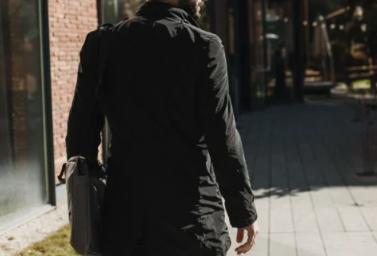
Every day, millions of people commuting to work, school, or college make the habit of carrying their heavy bags on the same shoulder. While it may seem like an harmless routine, carrying asymmetrical loads daily can significantly impact your posture and lead to long-term spinal and muscle discomfort.
On World Spine Day, observed annually on October 16 to raise global awareness about spinal health and pain prevention, orthopedic specialists explain how this everyday habit affects the human body and how small changes can protect your spine.
How Carrying a Bag on One Shoulder Affects Your Spine
When you carry a bag over a single shoulder, your body automatically tries to compensate for the uneven weight distribution to maintain balance. This causes a series of subtle postural adjustments:
- Shoulder Elevation: The shoulder carrying the bag automatically rises to prevent the strap from slipping off.
- Sideways Tilting: The spine tilts laterally, shifting your center of gravity to keep you upright.
- Unequal Muscle Strain: The muscles on one side of the spine and neck work significantly harder than those on the opposite side.
Over extended periods, these postural changes lead to muscle fatigue, chronic neck stiffness, shoulder soreness, and upper back pain.
Does It Cause Serious Conditions Like Scoliosis?
While carrying a bag on one shoulder increases strain on back and neck muscles, specialists reassure that it does not immediately cause severe structural damage like scoliosis or slipped discs. The degree of impact depends on several individual factors:
- The total weight of the bag.
- How long and how frequently you carry it.
- Your baseline posture and overall physical fitness.
- Pre-existing neck, shoulder, or spinal conditions.
Who Is Most at Risk?
Certain groups of people are particularly vulnerable to backache and posture-related issues caused by heavy bags:
- Students: Carrying heavy backpacks filled with textbooks to and from school or college.
- Office Professionals: Transporting heavy laptops and chargers in single-shoulder messenger bags or totes daily.
- Sedentary Individuals: People who spend long hours looking at screens without regular exercise, making their supporting core and back muscles weaker.
Simple Steps to Prevent Spinal Pain and Injury
Protecting your spine does not require drastic lifestyle changes. Following a few practical ergonomics principles can significantly reduce muscle strain:
- Lighten the Load: Carry only daily essentials and remove unnecessary weight from your bag regularly.
- Use Both Straps: When wearing a backpack, always use both shoulder straps and tighten them so the bag sits flush against your upper back rather than dangling low.
- Alternate Sides: If you use a handbag or single-strap tote, switch sides frequently to distribute muscle fatigue evenly.
- Choose Ergonomic Bags: Opt for bags with padded straps and multiple compartments to distribute weight evenly.
- Stay Active: Incorporate regular core-strengthening and stretching exercises into your routine to keep supporting back muscles strong.
While the spine is naturally flexible and designed to adapt to daily movements, continuous exposure to unbalanced weight causes avoidable strain. By practicing mindful bag-carrying habits, you can safeguard your spinal health for the long term.