Japan Tourism Agency Commissioner Norio Kimura outlined the position at an online briefing organized by Foreign Press Center Japan on Oct. 13 for foreign correspondents.
Asked about charging overseas visitors higher fares and admission fees than Japanese users, a practice known as dual pricing, Kimura said: “As the government, we will not comment on rates for foreign tourists,” according to ChosunBiz.
The position echoes the Japan Tourism Agency’s explanation at a March press conference that tourism operators should generally decide their own prices, including whether to introduce different rates for different groups of visitors.
The agency also said it was developing pricing guidelines to help operators make those decisions, stressing that customers should receive clear explanations for any price differences.
|
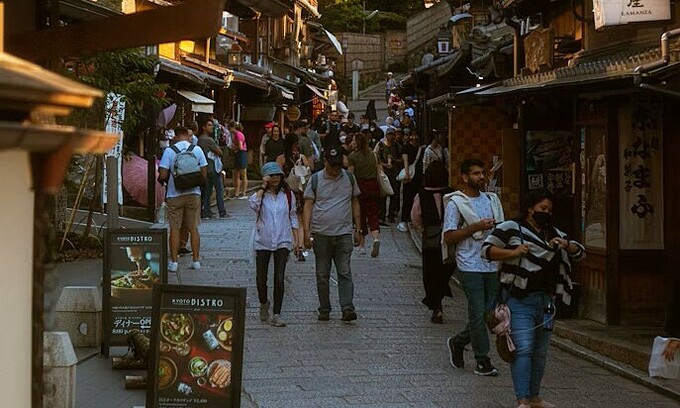
Tourists visit Kyoto, one of Japan’s busiest travel destinations. Photo by Unsplash |
The Oct. 13 briefing also covered tourism taxes, including lodging taxes paid by guests as part of their accommodation costs.
Decisions on introducing or raising these charges would be left to local discretion, Seoul Economic Daily reported. Such taxes do not necessarily apply only to foreign visitors.
Japan is also seeking to draw visitors beyond its busiest destinations.
Kimura said the agency is promoting regional travel to ease pressure on major cities such as Tokyo and Osaka.
It also seeks to increase foreign visitors’ overnight stays in regional areas to 130 million a year by 2030 from 60.56 million in 2025, he said.
Tokyo, Osaka and Kyoto currently account for around 60% of foreign visitors’ overnight stays, according to ChosunBiz.
The session, titled “Towards a Sustainable Tourism Nation-Overtourism Measures and Encouraging Regional Tourism,” addressed ways to manage growing visitor numbers while protecting residents’ quality of life, according to the organizer’s official event page.
Japan welcomed a record 42.7 million international visitors in 2025, up 15.8% from the previous year, according to the Japan National Tourism Organization.