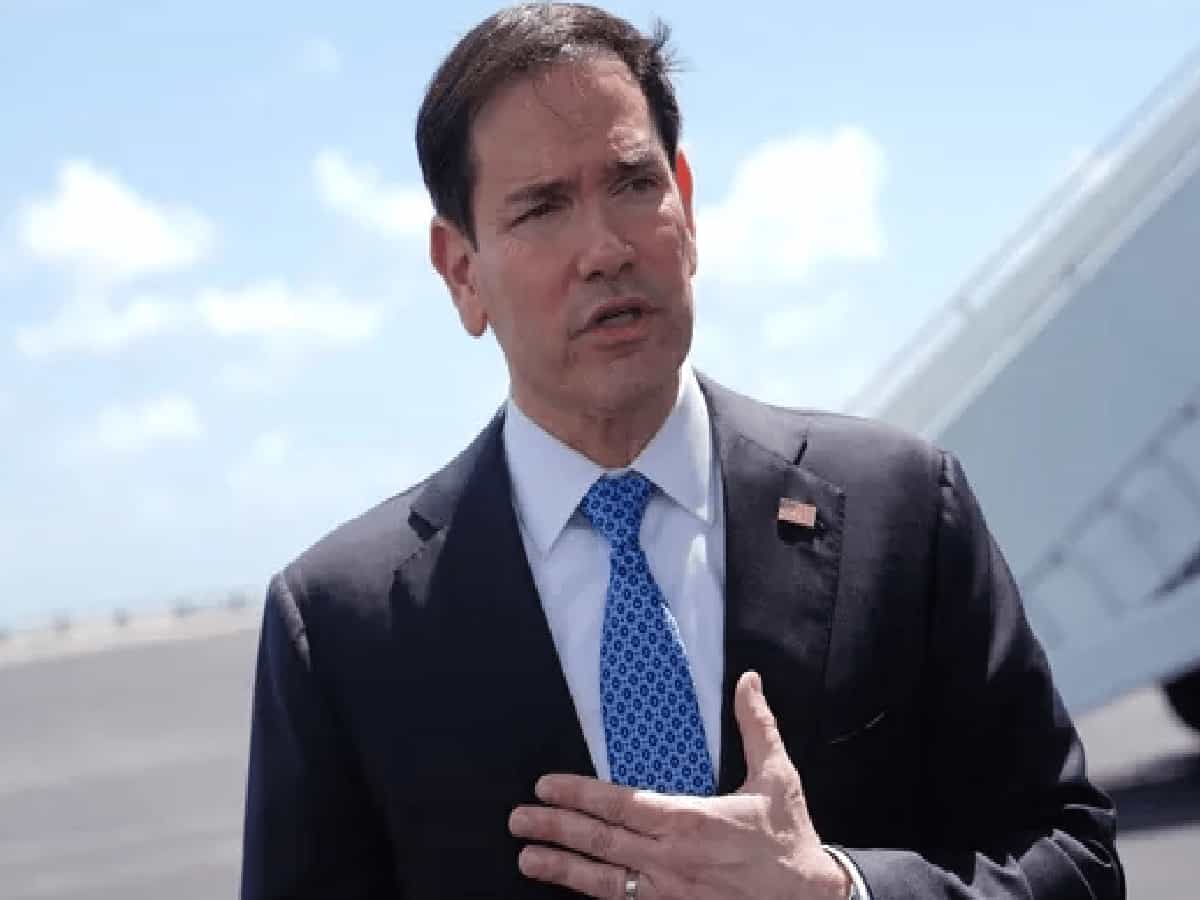
In a significant diplomatic intervention signaling pragmatism over punitive economic measures, US Secretary of State Marco Rubio has affirmed India as an indispensable strategic ally, stressing that Washington must thoroughly assess the energy requirements of its partners before levying sweeping trade penalties. His remarks follow President Donald Trump’s executive decision to impose a 60-day temporary moratorium on secondary sanctions and punitive tariffs under the Lindsey O. Graham Russia and Iran Sanctions Act. The pause temporarily shields key international buyers of Russian crude, notably India, from retaliatory import duties of up to 100 percent, averting an immediate trade confrontation while Washington re-evaluates the fallout of trade barriers on global supply chains and the American domestic economy.
The 60-Day Tariff Moratorium: Shielding Major Russian Fuel Importers from 100% Duties
The temporary suspension puts a crucial check on punitive commercial provisions passed by Capitol Hill:
Scope of the Graham Sanctions Act: The underlying statutory framework was designed to impose import duties of up to 100 percent on goods entering the United States from the world’s top five buyers of Russian crude oil and natural gas, directly putting trade flows from India and China under crosshairs.
Presidential Relief Under Section 115: Invoking discretionary presidential authorities granted under Section 115 of the Act, President Trump issued an official notification to the US Congress confirming that deferring punitive measures serves the core national interests of the United States.
Averting Broad Retaliatory Tariffs: The executive order pauses potential duties reaching up to 500 percent on Russian-origin goods and 100 percent penalties on prominent importing nations, allowing maritime energy traffic to proceed without immediate border seizures or financial blocks.
Strategic Window for Economic Assessment: Secretary Rubio emphasized that the 60-day window will be utilized to examine the exact degree to which aggressive tariff escalations could disrupt international maritime commerce and inflate operational costs within the domestic US economy.
High-Profile Visit to Jamnagar Refinery: Marco Rubio Defends India’s Energy Realities
Affirming India’s pragmatic energy diplomacy, Secretary Rubio outlined his official itinerary scheduled between October 18 and October 22, which includes an on-ground tour of the world’s largest refining hub in Jamnagar, Gujarat:
Recognizing Diversification Efforts: Backing New Delhi’s strategic posture, Rubio acknowledged that India has made concerted, proactive efforts to diversify its import baskets across multiple supplier nations.
Scale of Domestic Demand: He observed that India’s massive population base and rapid industrial expansion necessitate reliable energy procurement, noting that heavy dependencies developed over years cannot be dismantled overnight without triggering economic turmoil.
Guarding Ally Interests: Emphasizing mutual respect within the Indo-Pacific alliance, Rubio asserted that the United States must establish a balanced policy framework that avoids damaging the vital economic interests of trusted partners like India.
Geopolitical Supply Shocks: Red Sea Attacks, Hormuz Volatility, and Ukraine Infrastructure Strikes
The Trump administration’s policy recalibration is heavily influenced by rapid shifts across critical global transit choke points:
Shifting Geopolitical Landscape: Rubio observed that the global energy environment has altered significantly since the sanctions statute was initially authored, marked by severe compound crises across transit passages.
Maritime Disruptions in Key Corridors: Sustained attacks by Houthi rebels in the Red Sea, ongoing naval friction across the Strait of Hormuz, and military strikes targeting critical energy facilities in the Russia-Ukraine theater have injected extreme volatility and price fluctuations into global markets.
Necessity of Policy Flexibility: These compounding external risks have forced Washington to adopt tactical agility, avoiding measures that could inadvertently constrict available fuel supplies and send global petroleum indices soaring.
Securing Domestic Fuel Balances: The waiver comes alongside a broader bilateral agreement facilitating the supply of millions of tons of Russian-origin diesel directly to the US market, reinforcing the administration’s focus on domestic fuel stability.