
Autumn is officially here and the temperature has dropped significantly in recent weeks, bringing forth chilly mornings and damp, miserable days. While people may be looking forward to cosy season, the change in weather and environment can bring about a number of household issues, including the likes of condensation.
Condensation on windows is a common issue that many people have to deal with, especially during the colder months. This problem arises when the warm air inside meets the cold window glass, causing moisture and water droplets to form, which can lead to dampness and mould. If mould develops, this initially minor problem could lead to damage to properties and to people’s health.
Open your windows first thing in the morning (Image: Getty)
To help prevent condensation in homes this autumn, a number of property and cleaning experts have shared accessible and effective solutions, without the need to fork out for a dehumidifier. You won’t need to overhaul your home, but a few small steps can make a difference to your home.
Open the windows
The first thing you should consider – and do in the morning – is to crack open the windows, even if it’s cold outside. Rachael Munby, chief marketing officer at Anglian Home Improvements, told Express.co.uk: “Crack open a few windows for 10–15 minutes daily, even on chilly mornings. This brief ventilation helps to exchange moist air for fresh, drier air. Trickle vents which are now a legal requirement when installing new windows also help to provide a constant, subtle airflow.”
Ensure our latest property stories always appear at the top of your Google Search by making us a Preferred Source. Click here to activate or add us as a Preferred Source in your Google search settings
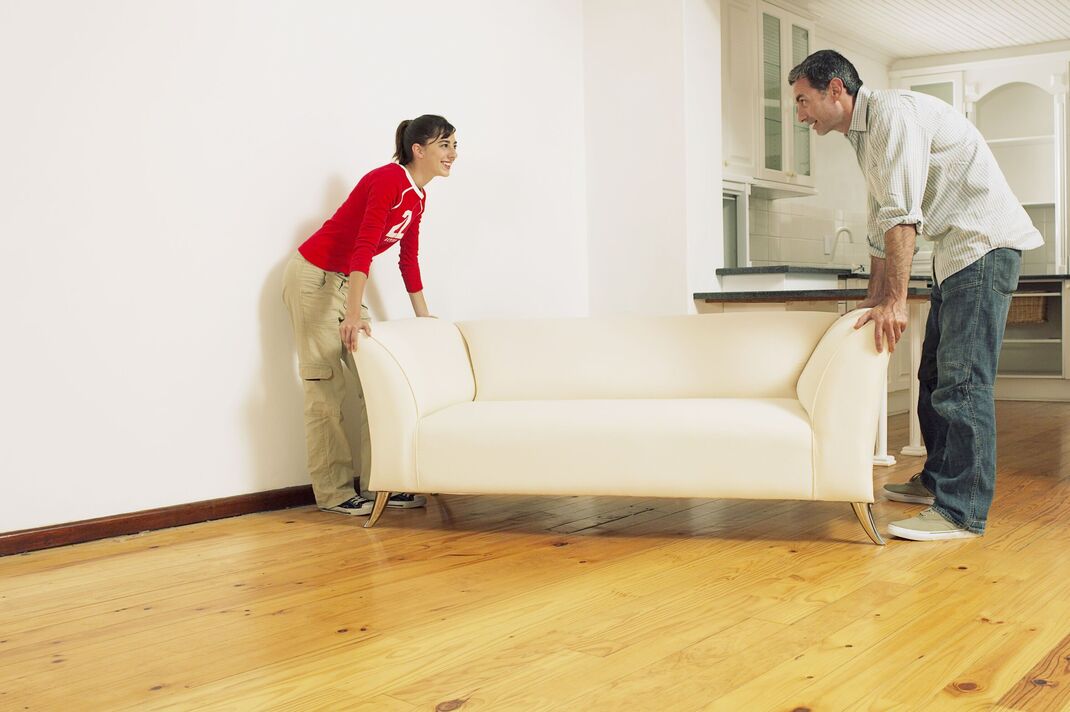
Pull large pieces furniture away from walls to increase air flow (Image: Getty)
Move furniture away from walls
This may sound strange, but by moving large pieces of furniture away from walls, it can help increase air circulation throughout the room, especially on cold external walls. James Roberts, director at Sanctuary Bathrooms and qualified plumber, said: “One simple, often overlooked way to prevent condensation without a dehumidifier is to pull freestanding furniture away from cold external walls. Check each room and, where space allows, leave roughly a 10cm gap behind sofas, wardrobes, beds, and storage units.
“Furniture pushed tightly against an outside wall can limit the circulation of warm air, leaving a cold pocket where moisture can condense. Creating that gap lets air circulate and helps reduce the risk of hidden condensation and mould. It costs nothing and tackles areas people often miss because they’re out of sight.
“The same idea applies in bathrooms: leave breathing space behind freestanding cupboards and storage units, particularly against outside walls, where moisture from baths and showers can settle.”

You should keep the extractor fan running after cooking or using the shower (Image: Getty)
Make use of extractor fans
If you’re worried about letting the cold air flow in when you’re cooking or in the shower, experts recommend using the extractor fan every single time. To make full use of it, you should even leave it running for a time afterwards, to ensure the steam has properly dissipated.
George Penny, Energy Expert at The Solar Co, said: “Condensation forms when warm, moist air meets a cold surface. Rather than trying to remove the moisture after it has already settled (which is what dehumidifiers, window vacuums and towels do) this approach stops it from building up in the first place. It addresses the root cause rather than the symptom, and it costs pennies a day to run.
“An extractor fan uses around five to 10 watts, so leaving it on for an extra 15 minutes costs less than a penny. Compare that to the cost of running a dehumidifier, which typically uses 300-500 watts, or the cost of repairing damp and mould damage, which can run into the thousands.”
You can even turn the extractor fan on before you head into the bathroom. Neil Thompson, Showroom Manager and home expert at luxury bathroom retailer Nôsa, said: “Always make sure your extractor fan is on for at least five minutes before you start to bathe or shower and leave it on for 30 minutes after you’ve finished to remove all the stale and humid air. This will prevent mould and improve air quality, especially in homes without bathroom windows.
“This hack is even more effective if, after showering, you keep the bathroom door closed but open any bathroom windows or vents for at least 15 minutes. We tend to keep windows closed in autumn and winter to stay warm, but this keeps moisture inside, so we need to open them periodically for airflow.
“If you don’t have a window in your bathroom, then leave the bathroom door open and open nearby windows to help let hot air escape. Air can act like a sponge, soaking up moisture until it reaches 100% humidity, causing condensation to form on windows and walls. Good airflow removes saturated air and replaces it with drier air, bringing down the humidity level.”
However, if you don’t have an extractor fan, you can simply open the windows for a short period of time. Victoria Hibbert, managing director at The Ready Maids, described this as the “single most” effective and accessible hack.
She explained: “The single most effective and accessible condensation hack is also the simplest. Open a window for 10 minutes immediately after showering, cooking or drying clothes indoors. Condensation forms when warm, moisture-laden air hits a cold surface. If you remove that air before it has a chance to settle, the condensation never forms in the first place.
“Most people close windows to conserve heat in autumn and winter, which traps moisture inside. A short, deliberate 10-minute ventilation immediately after the activity that created the moisture costs next to nothing in heat loss but makes a significant difference to how much moisture accumulates on windows and walls throughout the day.”
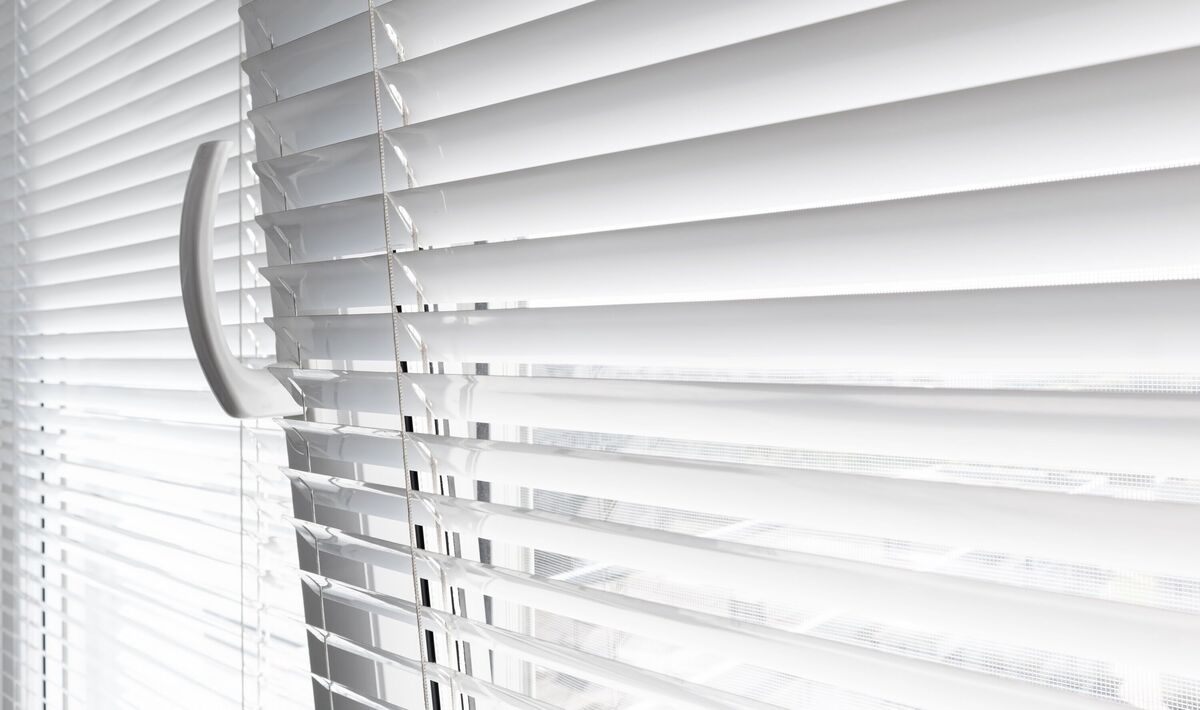
Leave your blinds slightly open overnight to increase the temperature of the room (Image: Getty)
Leave your blinds open
Simon Browne, technical and training manager at blinds company Luxaflex, said: “An effective way to reduce condensation isn’t actually to heat your whole home more, it’s to keep the temperature of your window glass more stable. One simple hack is to keep your blinds or shutters slightly open overnight during colder months, rather than fully closed.
“A small gap allows warm air from the room to circulate across the glass, helping to prevent the cold surface conditions that cause moisture to turn into condensation.”