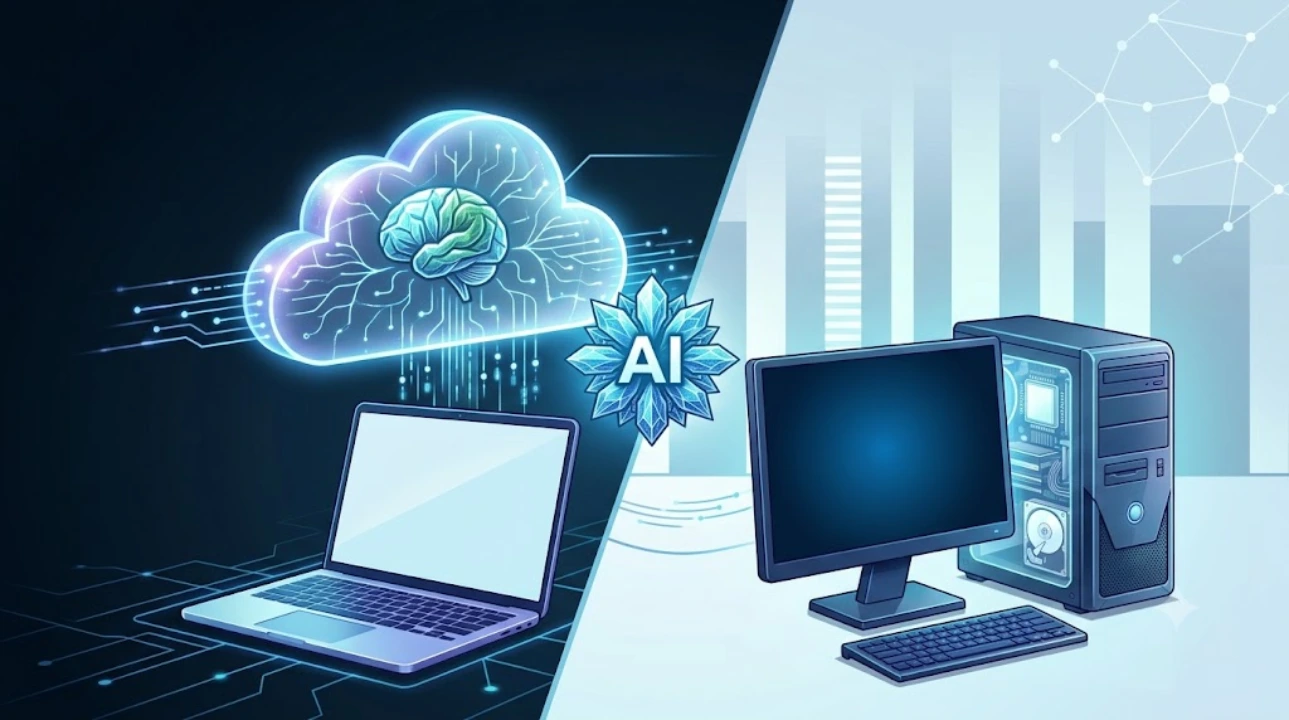
The operating system has maintained its position as the fundamental component of personal computing since its introduction more than forty years ago. The OS determined device usage for users through its three main operating systems: Windows, macOS, and Linux distributions. Users installed software through local installations, maintained their documents on physical storage devices, and system efficiency relied primarily on their current hardware setup.
In 2026, that model is being quietly redefined. The essential computing operations of today occur outside the user’s physical device. Users create documents through browser interfaces while their applications operate through cloud services and their data resides on remote storage systems. The operating system, which once functioned as the main computing interface, now serves as an access point to various systems.
Cloud-based operating systems have emerged as cloud-centric computing environments that distribute processing power from local equipment to remote network infrastructure. The current situation has evolved into a question about how future developments will implement this transition.
What Is a Cloud-Based Operating System?
The term cloud-based operating system creates confusion because it describes software that functions differently from conventional operating systems that users install on their devices. The cloud-based system depends on remote servers for its complete computing operations while users interact with the system through their local devices. The system uses the local device as its main user interface. The system performs all processing, storage,e and application execution through its cloud infrastructure. Users access the services through web browsers, or they use lightweight system components.
Chrome OS demonstrates this system through its design which uses the web browser as its main interface for running most applications through web apps and cloud services. Users can access complete computing environments from remote servers through virtual desktop environments which most commonly use platforms like Microsoft Azure Virtual Desktop. The systems enable users to access advanced computing power because they decrease the need for local hardware resources.
The Rise of the Browser as the New Platform
Cloud-based computer systems experienced their most important transformation because browsers became the standard method for operating systems. Modern browsers have evolved from their original function as website viewing tools into software that can handle sophisticated programs, including video editing software and development environments. Web-based tools now replicate and, in some cases, surpass traditional desktop software. The complete functionality of productivity suites, design platforms, and collaboration tools exists as cloud-based services.
The shift between operating systems and applications now depends on which platforms users choose to operate their programs. The user experience depends on the operating system only when applications operate through the browser. Users spend more time using cloud platforms than they do using the operating system.
Why Cloud-Based Systems Are Gaining Momentum
The current trend toward cloud-based computing systems is spreading because of several driving factors:
Accessibility and Device
Independence: Cloud-based environments allow users to access their data and applications from any device. A document started on a laptop can be continued on a tablet or smartphone without manual transfer. The flexibility of this solution enables remote workers and hybrid workers to perform their tasks more effectively.
Reduced Hardware Dependency
Cloud processing enables devices to operate with lower power requirements. Lower-cost hardware can deliver high-performance experiences when connected to cloud infrastructure. The model enables users in budget-constrained regions to access computing resources.
Simplified Maintenance
Cloud systems reduce the need for manual updates and software installations. The service providers automatically handle application updates and system maintenance tasks. The system enables organizations to manage their IT operations while making it easier for users to access technology.
Enterprise Adoption and Virtual Desktops
Cloud-based operating systems show their highest usage by businesses, which make up the largest adopter group. Virtual desktop infrastructure (VDI) enables organizations to provide their employees with remote access to secure desktop environments that run from their cloud-based systems. Windows 365 offers customers cloud-based access to standard operating systems which they can use as virtual desktop environments. Employees use their web browsers to log in, and then they can access a complete virtual desktop system from any location.
This method provides multiple benefits for organizations through its ability to handle employee security and data protection from a single point. The system simplifies the process of bringing new employees into the organization while making it easier to terminate their access when they leave. The system decreases the need for organizations to depend on their physical office spaces. The virtual desktop solution enables international businesses to maintain operational standards while serving their remote workforce.
Security: The conflict between Centralization and emerging security threats
Cloud-based operating systems deliver security advantages together with security difficulties.
Centralized data storage protects against data loss, which could occur through device theft or hardware failure. The system enables security updates to be distributed across all systems in a consistent manner.
The organization experiences increased risk because it depends on cloud services for its operations. The organization faces severe consequences from data breaches, service outages,s and misconfigured access controls.
Cloud security relies primarily on three factors which include identity management systems and encryption methods and access control policies. The security shift from device-based protection to identity-based protection marks the most important transformation in contemporary computing.
The Limits of Cloud Computing
Connectivity Dependence
The system requires continuous internet access for its operation because it depends on stable internet connections. Users who need to work in areas with poor internet access must use local computing systems. Users who need to access the system without an internet connection still find it essential.
Latency and Performance
Certain applications, particularly gaming, video editing, and real-time simulations, require low latency and high processing power. The use of cloud solutions results in latency issues that disrupt system functionality. The system depends on local hardware for essential functions.
Cost Considerations
The system creates lower initial hardware expenses through its cloud computing services. The organization needs to find a balance between its operational expenses and the benefits of increased convenience and growth potential.
Hybrid Computing: The Emerging Model
Cloud computing establishes a hybrid model that preserves existing local operating systems because it does not completely eliminate them. Users of devices that operate through local processing and cloud services gain advantages from both operational methods.
Users can store files on their devices and synchronize them with cloud storage. Users can execute applications that operate both on their device and in distant computing facilities. AI functions use local data processing to maintain user privacy while executing advanced operations through cloud systems. The hybrid system represents actual conditions. Many tasks can function without cloud systems, yet they will achieve better results when using cloud systems.
The Role of AI in Cloud Operating Systems
Artificial intelligence is accelerating the shift toward cloud-based computing. AI systems need extensive computational power, which local devices cannot deliver. Cloud infrastructure enables access to these capabilities. Users interact with AI tools through applications that rely on remote processing.
Ongoing developments in on-device AI technology establish a new equilibrium. Some tasks can now be handled locally, which enhances privacy and decreases latency. The relationship between cloud AI and local processing will determine the development of future operating systems.
Global Implications
The world experiences international consequences from the transition toward cloud-based operating systems. The system enables flexible work capabilities together with high-performance applications during its operation in developed markets. The system provides emerging markets with computing access that does not require users to purchase expensive hardware.

The existing internet access problems together with infrastructure deficiencies create major challenges for users. People need to create solutions that enable all users to access digital technologies because they need to cross this divide.
Are Local Operating Systems Becoming Obsolete?
Local operating systems still exist today, but their functions have evolved. The systems now function as platforms that users can use to connect with cloud services instead of serving as their primary computing resource. Users today engage with applications and cloud environments more than they interact with their operating systems.
The operating system becomes invisible, a layer that supports rather than defines the experience. The current technological shift demonstrates how infrastructure systems transition to secondary status while services emerge as the primary focus.
Conclusion: From Devices to Ecosystems
Cloud-based operating systems represent a fundamental shift in how computing is structured. The system achieves operational flexibility through its ability to transfer processing and storage tasks to remote cloud servers, which decreases dependence on physical equipment.
Local operating systems provide crucial support to performance essential functions while enabling users to work without internet connection and manage their device.
The future requires a transition between current systems and future systems through which both elements will achieve better balance. The year 2026 will bring a new definition of computing which extends beyond hardware devices. The system functions through an interconnected network which includes on-premises equipment, remote cloud systems, and advanced computing functions. The operating system still matters but it no longer stands alone.
(Source)