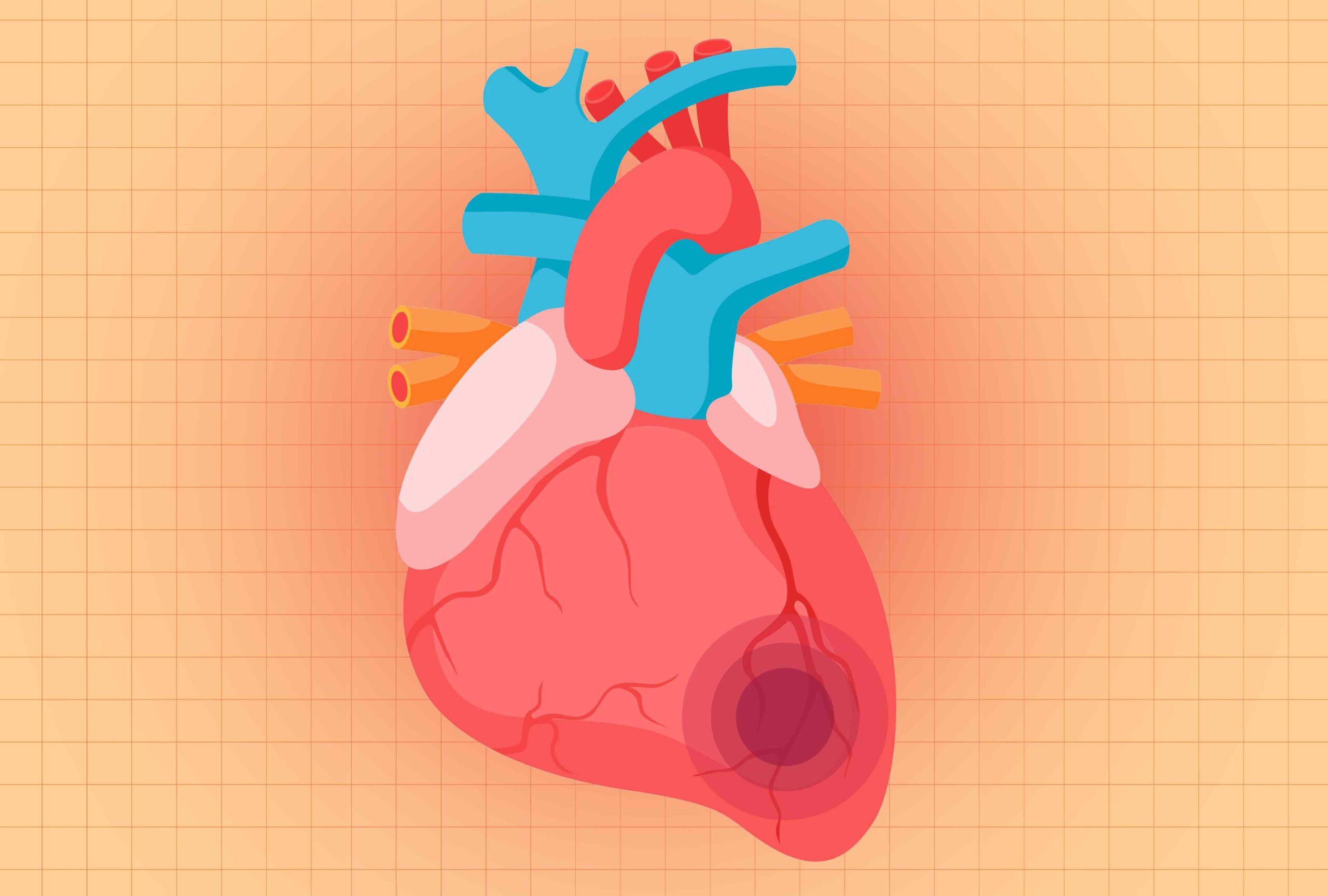
Sometimes referred to as a “silent killer,” high blood pressure can go unnoticed for years.
Reviewed by Dietitian Madeline Peck, RDN, CDN
Key Points
- High blood pressure affects nearly half of U.S. adults, but many don’t know they have it.
- More than half of participants with hypertension in this study had high blood pressure.
- Checking your blood pressure regularly to stay on top of your heart health.
When something is wrong, we often expect our bodies to give us clues. A sore throat, lingering pain or an unusual rash can signal that it may be time to schedule a doctor’s appointment. But some health conditions can develop without noticeable symptoms, making them harder to detect. High blood pressure, also known as hypertension, is one example.
Hypertension affects nearly half of U.S. adults, yet many people with high blood pressure don’t know they have it or don’t have it under control. Because it often develops without symptoms, it can be difficult to assess when to seek medical care. That’s concerning because high blood pressure is a major risk factor for heart disease and death worldwide.
Recently, a study published in BMJ Public Health examined how common hypertension is among adults in England and how often the condition goes undetected or remains uncontrolled. Their findings highlight just how easily this often-silent condition can go unnoticed, and why screening and early detection are so important.
How Was the Study Conducted?
To assess the prevalence, detection, treatment and control of hypertension, researchers analyzed data from the Our Future Health study, a large-scale research program that collects health information from adults in the United Kingdom. For this specific analysis, they focused on more than 1.4 million adults ages 18 and older who had available blood pressure measurements.
At enrollment, participants’ blood pressure was measured using an automated device. Researchers defined hypertension according to World Health Organization guidelines as a systolic blood pressure (SBP) ≥140 mm Hg, a diastolic blood pressure (DBP) ≥90 mm Hg or self-reported use of blood pressure-lowering medication. They also accounted for whether participants’ hypertension had been detected, whether they were receiving treatment and whether their blood pressure was controlled. Controlled hypertension was defined as an SBP <140 mm Hg and a DBP <90 mm Hg.
With this data, researchers examined how hypertension prevalence, detection and control varied amongst participants.
What Did the Study Find?
Despite the health risks associated with high blood pressure, many people in the study had hypertension without knowing it. In fact, researchers found that about 37.2% of participants had high blood pressure, and 58.8% of those with hypertension weren’t aware that they had high blood pressure. This means they had not self-reported a previous diagnosis or reported taking blood pressure-lowering medication.
Additionally, researchers found that among those participants who did not report a hypertension diagnosis, 33.2% of men and 21.2% of women had blood pressure levels ≥140/90 mm Hg. While this suggests that undetected hypertension was common in both men and women, the percentage was higher among men. Researchers also found that higher body mass index, smoking, alcohol consumption and a personal or family history of heart disease were associated with a higher likelihood of hypertension.
Interestingly, the findings also highlighted challenges with management and treatment of high blood pressure. Among participants taking medication for hypertension, 50.2% still had blood pressure levels ≥140/90 mm Hg, which means that their hypertension was not controlled according to the study’s parameters.
Together, these findings reflect the commonly described “rule of halves,” which suggests that approximately half of people with hypertension are unaware of their condition and about half of those receiving treatment do not achieve blood pressure control.
It’s important to note that there were some limitations associated with this study. The data used in this study measured participants’ blood pressure at enrollment, which provides a snapshot of their blood pressure at the time rather than tracking repeated measurements over time. Because blood pressure can fluctuate, a single elevated reading does not necessarily confirm a diagnosis of hypertension. This means that some participants may have required additional blood pressure readings to confirm their diagnosis.
How Does This Apply to Real Life?
Despite how common high blood pressure is, the results from this study suggest that many people living with the condition may be unaware of it. This is concerning because high blood pressure increases the risk of several health problems, including heart disease, heart attack and stroke. It can also contribute to chronic kidney disease, vision loss and dementia.
Hypertension often has no warning signs or noticeable symptoms, which is why many people don’t know they have it. Regularly checking your blood pressure is one of the most important steps you can take to identify high blood pressure early. In addition to routine checkups, certain heart-healthy lifestyle habits can help prevent or manage hypertension.
- Engage in regular physical activity. Consistent physical activity can help lower blood pressure and support overall heart health. Many experts recommend aiming for about 150 minutes of moderate intensity activity each week.
- Eat a balanced diet. A diet rich in fruits, vegetables and whole grains may help prevent or manage high blood pressure. Limiting sodium and alcohol can also help.
- Manage health conditions that may put you at higher risk. Conditions like diabetes and obesity may increase your risk for developing high blood pressure. Additionally, high blood pressure can occur during pregnancy, making prenatal care important.
- Take care of your mental health. Chronic stress and certain mental health conditions may be associated with higher blood pressure. Finding healthy ways to manage stress and seeking support when needed can benefit your overall health.
- Stop smoking. Smoking may raise your blood pressure and increase the risk of heart disease and stroke. Quitting can improve your heart health.
- Know your health history. Understanding your personal health history as well as your family’s history of high blood pressure can help you and your health care provider assess your risk.
- Stay on top of preventive care. Have your blood pressure checked during routine health care visits.
Our Expert Take
A new study published in BMJ Public Health found that more than one-third of participants had hypertension, yet more than half of those with the condition had undetected high blood pressure. These findings highlight the importance of improving blood pressure awareness and screening at a population level. Staying on top of preventive care, knowing your personal and family health history and engaging in heart-healthy lifestyle habits can help you manage your blood pressure and support your overall health.