WhatsApp and Telegram users in India may have to keep their registered SIM cards in their smartphones to continue using the messaging apps, as the government’s new SIM-binding rules are expected to come into effect from January 1, 2027.
The Department of Telecommunications (DoT) has directed messaging platforms to ensure that their services remain continuously linked to the active SIM card associated with the mobile number used to register the account. The move aims to prevent cyber fraud and the misuse of Indian mobile numbers by fraudsters operating from outside the country.
The compliance deadline for the SIM-binding directive has been extended to December 31, 2026, following technical challenges and concerns raised by technology companies.
What is SIM binding?
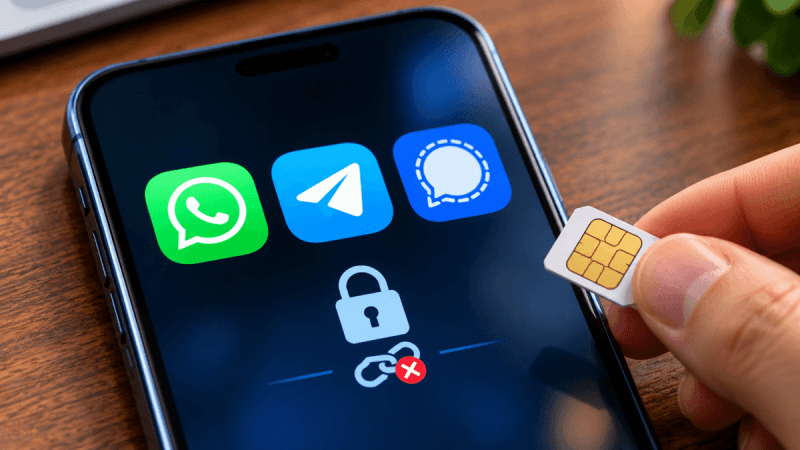
SIM binding is a process that links a messaging app to the specific SIM card used to register the account. Under the new rules, users may not be able to access certain messaging apps on a device if the registered SIM card is not present and active in that device.
For instance, if a user registers WhatsApp using a particular mobile number and later removes that SIM card from the smartphone, the app may no longer function as it does currently. Simply connecting the device to Wi-Fi may not be sufficient to access the service.
The rules could also affect users who frequently switch between devices or use messaging apps on secondary smartphones, tablets and computers.
Which apps will be affected?
The DoT’s directions cover several app-based communication services that use mobile numbers to identify users or provide their services. These include WhatsApp, Telegram, Signal, Snapchat, Arattai, ShareChat, Josh and JioChat.
However, the implementation and compliance status may vary across platforms. Users should watch for official announcements from the respective companies regarding how the new requirements will be implemented.
What will happen to WhatsApp Web and Telegram Web?
The new rules also address the use of messaging services on computers and other linked devices. The original directions included periodic logout requirements for web sessions, with users required to relink their accounts through a QR code.
However, the government has subsequently moved to a risk-based approach for web and desktop sessions. This means users should not assume that every session will automatically log out after six hours under the revised approach.
The changes are intended to make it harder for fraudsters to operate messaging accounts remotely without access to the associated SIM card.
Why is the government introducing the new rules?
According to the DoT, some messaging platforms allow users to continue accessing their accounts even after the registered SIM card has been removed from the device. The government believes this loophole can be exploited for cyber fraud, impersonation, phishing and other online scams.
By ensuring that messaging accounts remain linked to their registered SIM cards, the government aims to strengthen traceability and reduce the misuse of Indian mobile numbers.
What should WhatsApp and Telegram users do?
Users who keep their registered SIM cards in their primary smartphones may not notice a significant change in their daily usage. However, those who use a different SIM for mobile data, regularly move SIM cards between devices or access messaging apps on secondary devices could face inconveniences.
Users should ensure that their registered mobile numbers remain active and follow any official instructions issued by the messaging platforms before the new requirements take effect.
With the compliance deadline set for December 31, 2026, the rules are expected to affect how users access WhatsApp, Telegram and other covered messaging services from January 1, 2027.