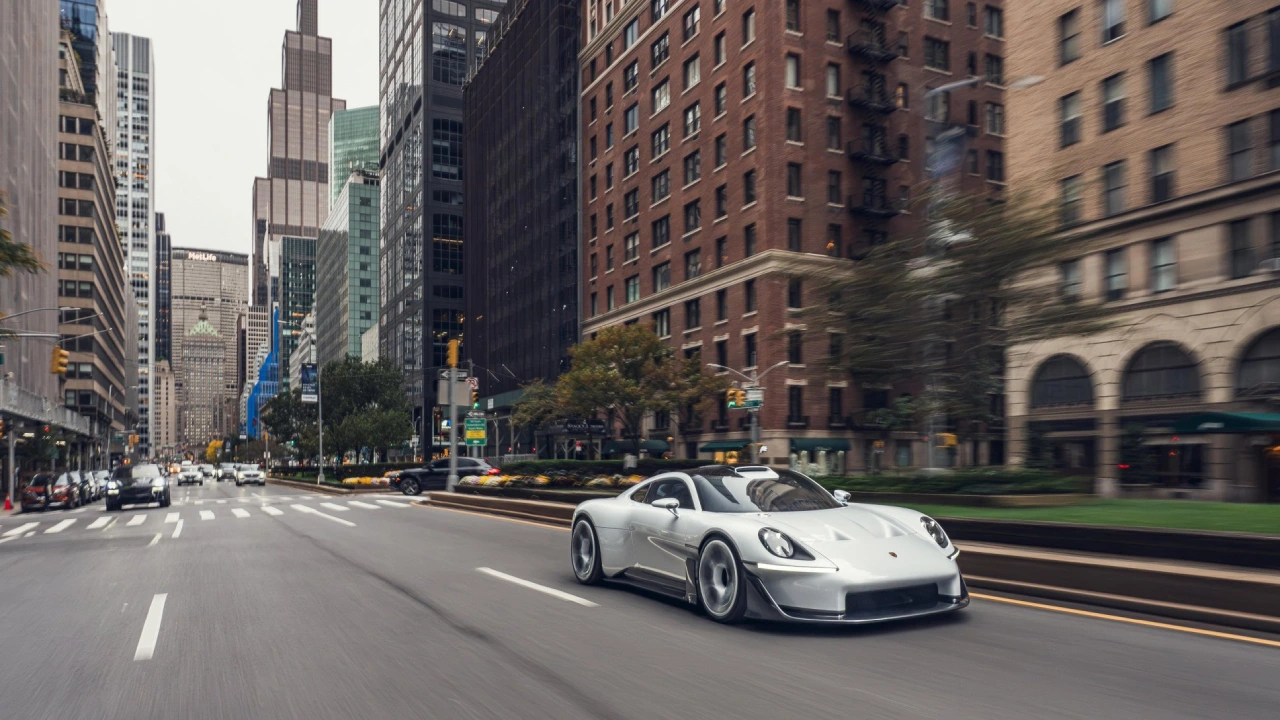
Porsche 2026 Results: In the first nine months of 2026, Porsche AG recorded an operating profit of €1.74 billion, compared with €40 million in the same period of 2025. This recovery came despite declines in revenue and vehicle deliveries. Revenue fell to €25.28 billion, down 5.9% from the €26.86 billion reported in the corresponding period last year.
The operating return on sales reached 6.9%, compared with 0.2% in the first nine months of 2025. However, the improvement needs to be considered in the context of Porsche’s strategic realignment. The company incurred €2.7 billion in related costs during the first nine months of 2025, compared with approximately €500 million in the same period of 2026. Lower restructuring costs significantly influenced the year-on-year comparison.
The results indicate an improvement in reported profitability, but they do not signal a complete recovery. Vehicle deliveries remained significantly lower, and Porsche continues to operate in a challenging economic and geopolitical environment.
Lower Deliveries Contribute to Porsche’s Revenue Decline
Porsche delivered 178,532 vehicles worldwide in the first nine months of 2026, down 16% from 212,509 in the corresponding period of 2025. The decline in deliveries was steeper than the decrease in revenue.
Porsche’s value-oriented sales strategy focuses on balancing supply and demand rather than maximising sales volumes. Pricing and product mix, including a greater proportion of higher-margin models, have helped support earnings despite lower vehicle deliveries.
North America remained Porsche’s largest sales region, with 56,088 deliveries during the period. Deliveries there declined 13% year over year. According to Porsche, the decline was linked mainly to the end of production of the 718 Boxster and 718 Cayman, alongside a strong comparison with the previous year’s performance of the electric Macan.
China presented a more challenging picture. Porsche delivered 21,493 vehicles in the market during the first nine months of 2026, a 33% decline from the previous year. The company continues to focus on the long-term development of its brand in China rather than prioritising volume growth. This approach should not be interpreted as an announcement of a complete withdrawal from the market.
The regional results highlight why Porsche’s financial performance cannot be assessed through profitability alone. Sustaining margins while rebuilding demand in important markets remains a significant challenge.
Stronger Cash Flow Supported by Asset Sales
Porsche’s Automotive net cash flow increased from €1.34 billion in the first nine months of 2025 to €2.50 billion in the same period of 2026. The Automotive net cash flow margin reached 11.3%, compared with 5.6% a year earlier.
The main contributor to the increase was the sale of Porsche’s stakes in Bugatti Rimac and the Rimac Group. The transactions generated a cash inflow of €984 million for the Porsche Group, most of which was recorded in Automotive net cash flow. The sales also generated a disposal gain of €593 million, which affected the Group’s financial result.
Consequently, the improvement in Automotive net cash flow should not be attributed solely to vehicle sales or routine operating performance. The proceeds from the asset disposals played a substantial role in the increase.
Automotive net liquidity increased by €884 million compared with December 31, 2025, reaching €8.23 billion as of September 30, 2026. The higher liquidity provides additional financial flexibility as Porsche continues its strategic realignment and manages costs in a challenging market.
Porsche Advances Its Strategic Realignment
Porsche is focusing on its core business, a more efficient cost structure and sustainable improvements in profitability. Its strategy places emphasis on higher-margin models, pricing discipline and a product mix that supports earnings rather than maximising vehicle deliveries.
The strategic realignment reflects the pressures facing premium automakers as they respond to changing market conditions, regional challenges and the costs of business transformation. Porsche aims to become more focused and flexible while strengthening cash generation and reducing capital intensity over the longer term.

The company’s Sportwagenschmiede ’35 strategy outlines its longer-term ambitions, with an emphasis on desirable sports cars, product development and reinforcing Porsche’s sports-car identity.
These changes will take time to demonstrate their full effect. The latest results show a substantial improvement in reported operating profit, but falling revenue and deliveries indicate that Porsche continues to face commercial challenges. Sustaining the recovery will depend on the company’s ability to manage costs while maintaining demand for its products.
Porsche Reaffirms Its Full-Year 2026 Forecast
Despite challenging market conditions and geopolitical uncertainty, Porsche reaffirmed its full-year 2026 outlook. The company expects Group sales revenue of €35–36 billion and a Group operating return on sales of 5.5–7.5%.
For the Automotive segment, Porsche forecasts a net cash flow margin of 5.5–7.5%, taking into account the proceeds from the sale of its stakes in Bugatti Rimac and the Rimac Group, as well as further funding of pension obligations. The company also expects an Automotive EBITDA margin of 15–17%, while battery-electric vehicles are forecast to account for 24–26% of deliveries in the Automotive segment.
These figures remain forecasts rather than guaranteed outcomes. Actual results will depend on market conditions, customer demand, geopolitical developments and Porsche’s ability to implement its cost-saving and business-transformation measures.
Porsche’s first-nine-month results present a mixed picture. Operating profit and cash flow have improved, but the profit comparison is significantly affected by lower strategic realignment costs, while asset-sale proceeds contributed substantially to stronger cash flow. With revenue and deliveries still under pressure, the company’s next challenge is to turn these improvements into sustainable profitability while strengthening its position in key markets.
(Source)