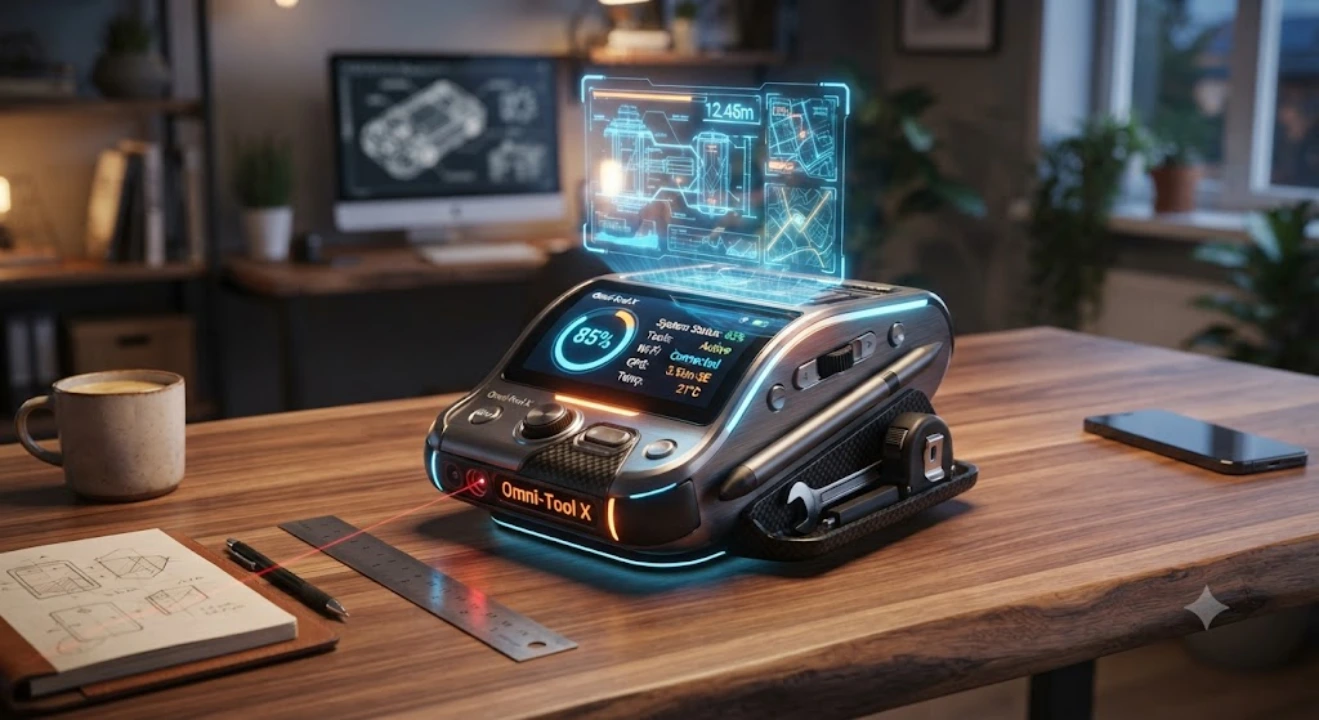
The rise of multi-function gadgets is one of the defining technology trends of the modern era. There was a time when people carried separate devices for nearly every task. A camera captured memories, an MP3 player handled music, a GPS unit provided navigation, a calculator solved equations, and a flashlight illuminated dark places. Homes were filled with individual appliances for single intents, and workspaces sometimes needed multiple gadgets just to stay productive.
Now a lot of that has changed, kind of fast too. Today, one smartphone can act like a camera, a music player, a map, a calculator, a gaming device, a notebook, an alarm clock, and even a payment card, depending on the apps you use. Smartwatches track fitness, monitor health, take calls, and show notifications. In the kitchen, newer appliances can bake, fry, roast, steam, and pressure cook in one unit, and honestly, it feels like magic until you read the manual.
People are leaning toward products that combine several tools into one device, aiming for convenience, efficiency, and a sort of everyday simplicity instead of owning a bunch of specialized items.
Why Consumers Really Love Multi-Function Gadgets
What makes these gadgets work so well is convenience first. Modern life is busy, sometimes chaotic. Between work, social plans, travel, and personal responsibilities, people are always searching for smaller steps and smoother routines. Carrying fewer devices usually means less clutter, fewer chargers, fewer cables, and fewer things to misplace. Instead of managing a stack of separate tools, consumers can lean on one device to cover multiple needs, with fewer headaches along the way. Cost matters too.
Buying one device with several abilities is often cheaper than purchasing each tool on its own. For budget-conscious consumers, multi- function gadgets offer a practical way to maximize value without really sacrificing functionality , if we’re being honest. Another factor is portability. As urban living spaces become smaller and mobile lifestyles get more common, products that save both space and weight naturally start looking more attractive .
The Smartphone: Multi-Function Gadget
Honestly, no single item shows this trend as clearly as the smartphone. What started as a communication tool has grown into one of the most adaptable consumer devices ever created. Today’s smartphones work as:
- Cameras
- Music players
- Video streaming devices
- GPS navigation systems
- Gaming consoles
- Payment wallets
- Fitness trackers
- Voice assistants
- Productivity tools
- Social media hubs
A lot of people don’t even bother carrying extra gadgets anymore, because their phone handles virtually everything they need, in most situations. Advances in mobile processors, artificial intelligence, cloud computing, and broader software ecosystems have helped make that happen. In the past, features that needed dedicated hardware can now be done by apps running on the same device. So yeah, the smartphone evolution really shows how strong the all-in-one approach has become, overall.
Wearables Are Following the Same Path
Wearable devices, especially smartwatches, are another good case of multifunctionality reshaping consumer tech. Traditional watches were built for a single job telling time. Modern smartwatches monitor heart rate , track workouts, measure sleep quality, push notifications, answer phone calls, offer navigation support, and even carry out health assessments. Many people now just use a smartwatch instead of juggling separate fitness trackers, stopwatches, or even smartphones during workouts.
This move has been especially helpful for the health and wellness sector. Wearable devices can continuously gather data, and then present users with insights that used to require multiple medical or fitness tools. As sensor technology keeps getting better, smartwatches are likely to pick up even more functions in the future, like not just tracking but sort of “feeling around” for patterns too.
Smart Homes And Multi-Function Appliances
This trend goes well past personal electronics, and honestly it feels like it’s spreading room by room. In homes around the world, consumers are increasingly picking appliances that do several tasks at the same time. A modern air fryer might also work as a convection oven, dehydrator, toaster, and grill all at once.

Robot cleaners can vacuum, mop ,map rooms, and then dodge obstacles automatically. Smart refrigerators can keep an eye on groceries, show schedules, and even connect to digital assistants. One of the most noticeable wins is the multifunction cooker.
Pressure cooking, slow cooking, steaming, sautéing, rice cooking, and yogurt making — these devices can cover it, and in many kitchens they replace a whole pile of separate gadgets. For apartment dwellers and homeowners alike, trimming clutter while increasing functionality has become a strong, kind of hard-to-ignore proposition.
The Workplace Goes All-in-One
The professional world has also jumped on multifunction devices. Modern laptops often behave like tablets, thanks to foldable screens or detachable keyboards. Monitors now may include webcams, speakers, USB hubs, charging systems, and conferencing tools, which sounds simple but changes everything.
As remote plus hybrid work start showing up more, people are asking for devices that can kinda shift with whatever situation they’re in, without needing extra equipment or gear. In fact, one single workstation can now handle video meetings, content making, productivity apps, entertainment, and group collaboration tools at the same time. So manufacturers have reacted by building products that lean toward flexibility, not only doing one job really well.
Artificial Intelligence Accelerates the Trend
And now artificial intelligence is turning that whole direction into something even more advanced. With AI, gadgets can tackle more and more complicated things, often without separate programs or special dedicated hardware. Modern smartphones can do things like:
- translate conversations in near real time
- generate written content
- improve and revise photos automatically
- summarize documents
- help organize schedules
- offer smart recommendations

Meanwhile, smart speakers can work as home assistants, entertainment systems, security controllers, and even information hubs all together, like one smooth routine.
Conclusion
The whole increase in multi-function gadgets is a kind of mirror that bigger push people have for convenience, efficiency, and just plain simplicity in everyday life. Lately, consumers seem to really like devices that cut down on clutter, help save some cash, and can bend to a bunch of different needs at once. So from smartphones and smartwatches to smart home appliances and AI-powered laptops, that move toward “everything in one” technology doesn’t really look like it will slow down soon.
Honestly, it just keeps rolling. Even if specialized devices will always have their role, the future feels like it’s clearly heading to products that do more with less. And as technology keeps improving, multifunction gadgets will become more capable, more aware, and more required, while still being practical, changing not just what we use, but also how we live, work, and reach out to the world around us.
(Source)