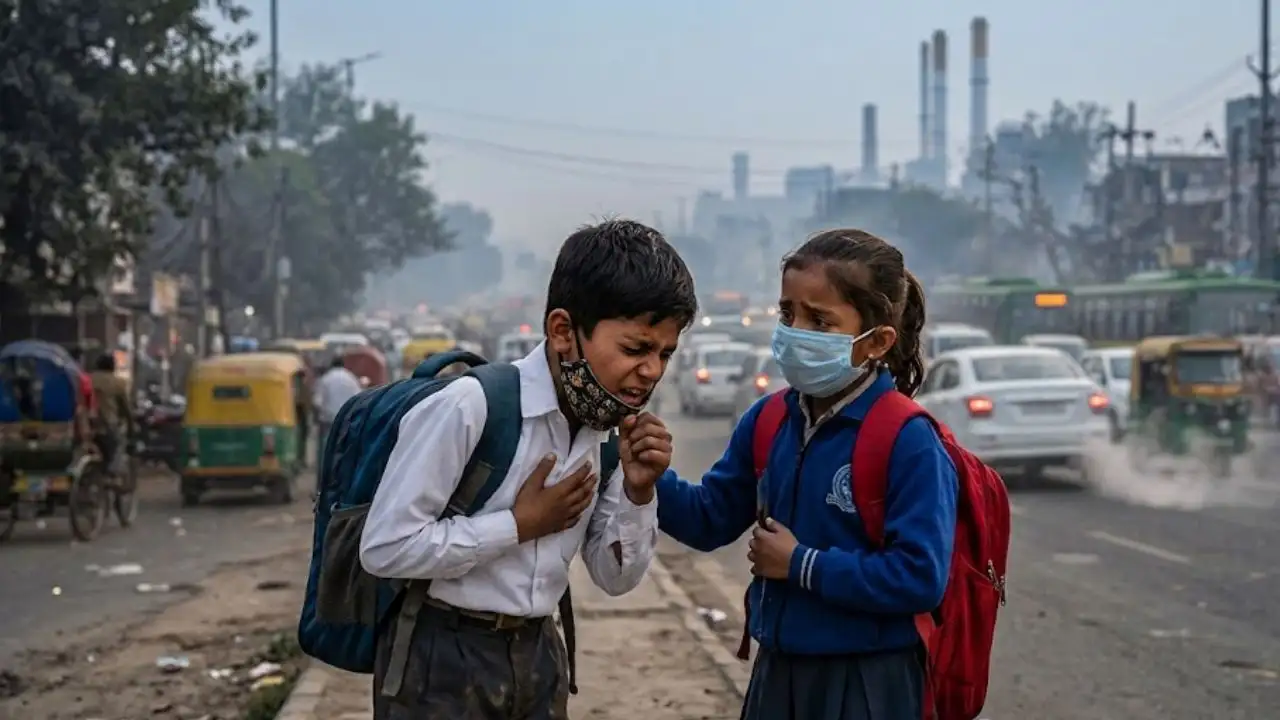
Effect of pollution on children in winter
With the onset of winter in Delhi-NCR, smog and air pollution become serious challenges for children's health. Micro particles like PM 2.5 and PM10 present in the air can reach the lungs. Since children's lungs are still developing, they inhale more air than adults, which can make them more vulnerable to pollution.
The situation becomes even more risky for children suffering from asthma, allergies or other respiratory problems. Therefore, it is necessary to take special care of children's health. We discussed this topic with Dr. Abhishek Chopra, Senior Pediatrician, Cloudnine Hospital, Punjabi Bagh, Delhi.
Problems caused by smog to children
The pollutants present in smog can cause irritation to the eyes, nose, throat and respiratory system. This can cause children to have cough, sore throat, runny or blocked nose, and difficulty breathing. Some children may also experience headaches, fatigue, and more drowsiness than usual.
Pollution can increase the likelihood of attacks in asthma patients and worsen the symptoms of pre-existing allergies or respiratory infections. Prolonged exposure to polluted air can also have a negative impact on lung development and function. Young children are not able to explain their problems clearly, so parents should pay attention to their breathing rate, interest in sports and general activities.
symptoms of pollution
Symptoms seen due to pollution include: burning, redness or watering of eyes; Frequent sneezing, runny or blocked nose; dry cough, sore throat, or change in voice; Shortness of breath, chest tightness, or a whistling sound while breathing; Headache, fatigue and drowsiness; Getting tired quickly while running or playing.
However, these symptoms are not only caused by pollution, but viral infections and allergies can also be the cause. If the cough persists, increases at night or starts affecting the child's physical activities, a pediatrician should be consulted.
When to contact a doctor?
If the child has severe difficulty breathing, the ribs appear pulled in, the lips turn blue, the child becomes unusually lethargic or has difficulty speaking, seek medical help immediately.
Precautions for school going children
For school-going children, protection from pollution should not be limited to just the home. Precautions are necessary while going to school, playing sports and even during holidays.
Keep an eye on AQI: Check the Air Quality Index (AQI) of your area daily. Reduce children's outdoor exposure and physical exertion when air quality is poor.
Reduce outdoor activities: When pollution levels are very bad, do not do running, playing football, PT and other physical activities in the open. Appeal to the school to conduct such activities indoors or at less polluted times.
Talk to school management: Ask what action the school takes when pollution increases. Outdoor gatherings, sports and prolonged outdoor activities should be limited during poor AQI.
Correct use of mask: If going out is necessary, an age-appropriate N95 mask can help reduce exposure to particulates. The mask should fit the child's face properly. It is better to keep small children, especially those under two years of age, away from pollution rather than wearing masks.
Change in children's diet
There is no need for a special diet to avoid pollution. Children should be given a balanced and nutritious diet so that their immunity remains strong.
- Vitamin C: Give amla, guava, orange, sweet lime and other seasonal fruits.
- Vitamin A and other nutrients: Include carrots, sweet potatoes, spinach and other green vegetables.
- Protein: Give pulses, milk, curd, cheese, eggs and other protein items according to the age and diet of the child.
- Adequate water: Provide water to children regularly. Soup and other nutritious drinks can also be given.
- Balanced diet: Make whole grains, fruits, vegetables and healthy fats a part of your daily diet.
Avoid forcibly giving supplements, herbal decoctions or detox drinks to children. If vitamins or other supplements are needed, consult a doctor.
use of air purifier
The right air purifier can be useful in improving indoor air quality. Devices with HEPA filters help reduce particulate matter like PM2.5 present in the air. Its use can be beneficial especially in the child's bedroom.
While purchasing a purifier, check its Clean Air Delivery Rate (CADR) as per the size of the room. Regular cleaning or timely replacement of the filter is necessary. Ozone generating devices should be avoided.
Keep windows and doors closed to reduce exposure to outside air when pollution is high, but also control indoor cooking smoke and other pollutants. Do proper ventilation when the outside air is better.