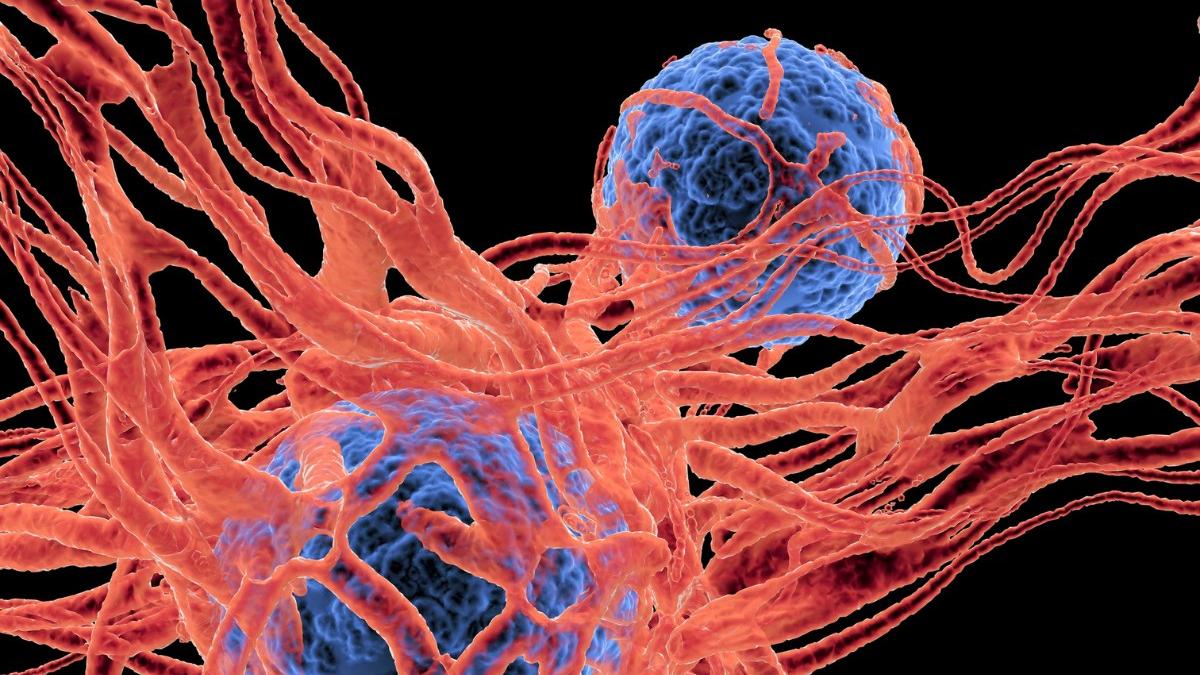
Cancer has always been considered a disease of older age, with the majority of cases occurring after the age of 60. However, as highlighted by a recent study from Harvard, more cancers are being diagnosed in people under the age of 50. This phenomenon, often referred to as “early-onset cancer,” is altering our conventional perceptions of cancer risk and posing new difficulties for doctors and the healthcare system.
To advertise here,
Among the various malignancies, colorectal cancer and breast cancer have garnered particular attention. This last month, four out of 20 women diagnosed with cancer in the hospital I work at, were below the age of 40. Similar trends have been observed for rectal and uterine cancer.
The reasons behind this rise are likely multifactorial.
A weighty issue
Sugar has caused more deaths than wars. This line from Yuval Noah Harari could not be truer today. Excess body weight is associated with hormonal imbalances and metabolic dysfunction, all of which can promote carcinogenesis. Recent research has shown that exercise even reduces cancer recurrence in known cancer patients.
Early inference of studies indicates that the wonder drug for obesity, the GLP-1 agonist, seems to be reducing the risk for breast, ovarian and endometrial cancers. This only further incriminates the sedentary lifestyle, physical inactivity and obesity as a cause for cancer.
Let food be your medicine
Ultra-processed foods, refined carbohydrates, and sugar-sweetened beverages have become part of the staple diet across economic classes. It is much easier to pack bread, jam and biscuits than joladu roti or ragi mudde. This gradual shift in diet has been linked to several gastrointestinal malignancies.
A gut feeling
The gut microbiome, or “the second genome” of the human body comprises over 100 trillion microbial cells. A loss of this diversity is a common feature in patients with colorectal and pancreatic cancers.
Also Read: Breast cancer awareness month- What we owe to our women?
An increasing amount of evidence suggests that alteration in the gut microbiome, could be linked to not only increasing incidence of cancer but also in the progression and treatment of it. The two main drivers shaping the dynamic landscape of the gut are diet and age.
It has been found that diets rich in fats and low in fiber reduce the abundance of short chain fatty acid producing bacteria. In contrast high fiber diets promote growth of beneficial microbes such as Akkermansia muciniphilia which are linked to anti tumorigenic effects.
Gut dysbiosis is often associated with increased inflammation. Microbes like Fusobacterium nucleatum are strongly associated with colorectal cancer progression. We are now beginning to realize that understanding the complex microbiota-immune reactions will be critical in the future from optimizing cancer therapies.
Seeing the whole picture
In the 1700s, scientists found out that chimney soot can cause cancer. Unfortunately, today, we are all exposed to a lot more than chimney soot. The list of cancer-causing agents called carcinogens has grown exponentially. Be it synthetic chemicals, microplastics, and possibly hormone related compounds throughout life.
It is our fear that exposure beginning in childhood—or even before birth—may influence future cancer risk. This concept, known as the “exposome,”- a person's collective environmental exposure, seeks to understand how lifelong environmental influences interact with genetic susceptibility to promote disease.
The faulty gene
Hereditary cancer syndromes such as Lynch syndrome, familial adenomatous polyposis, and BRCA-associated cancers contribute significantly to early-onset disease. However, inherited mutations account for only a minority of cases, indicating that environmental and lifestyle factors likely play a larger role in the recent increase.
Knowing better
“I don't care how I look in photos anymore… as long as I look good on ultrasounds, CT scans and MRIs.”
Also Read: How Alzheimer's disease affects caregivers: 5 challenges families should know
Another explanation for the rising incidence may be improved detection and heightened awareness. With the famous Kardashians popularizing whole body MRIs, and a variety of awareness campaigns, the average person is a little bit more aware about cancer.
Advances in imaging technology have enabled us to identify cancers earlier than before. Mammograms and endoscopies are now easily available in tier 3 cities and even villages. Part of the observed increase may well reflect greater detection of cancers that previously went unrecognized.
Nevertheless, the rise in certain aggressive triple negative breast cancers in young women and the increase in mortality from early-onset colorectal and uterine cancers suggest that the trend cannot be explained solely by better diagnosis.
bridging the generation gap
Early onset cancers may disrupt education, careers, family planning, and child-rearing responsibilities. It is important as clinicians to offer fertility preservation and mental health support as part of the care.
Symptoms such as unexplained weight loss, persistent cough, changes in bowel habits, abnormal bleeding, chronic fatigue, or unexplained pain should not be ignored simply because a patient is young. Earlier detection saves lives as it leads to diagnosis at more treatable stages and improves outcomes.
At the end of the day, as an oncologist, I advise my patients and the people who come to me for advice, that till research in this area brings us better prevention strategies, the best way forward will be to spread awareness, encourage healthy and wholesome diets, promote regular exercise and increase access to screening facilities.
Also Read: Pimples after 30? 7 things that could trigger breakouts
The Harvard Study has estimated a 46 to 90 percent increase in colorectal cancers by 2030 in the younger age group. Clearly the time for action is now.
-Dr Madhavi Nair is a Consultant – Surgical Oncologist at Manipal Hospital Varthur Road, Bengaluru