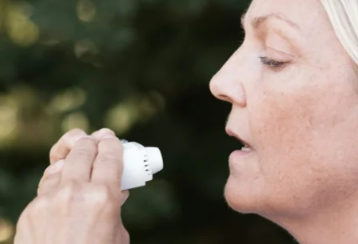
Cold winter weather does not mean people with asthma need to stop exercising. However, cold and dry air can irritate sensitive airways and trigger coughing, wheezing, chest tightness and breathing difficulties during physical activity. With proper preparation, suitable exercise choices and good asthma management, staying active during colder months can be easier and safer.
How Winter Weather Affects People With Asthma
Asthma causes inflammation and narrowing of the airways, making them more sensitive to environmental triggers. During winter workouts, people often breathe faster, sometimes through their mouths. This allows cold, dry air to enter the respiratory system without being sufficiently warmed and humidified by the nose.
This can lead to a condition called exercise-induced bronchoconstriction, in which the muscles surrounding the airways tighten and make breathing difficult. It can affect people with asthma and, in some cases, people who have not been diagnosed with the condition.
Cold temperatures are not the only concern. Seasonal respiratory infections, dust, air pollution, smoke and indoor allergens can also worsen asthma symptoms. When several triggers occur together, breathing difficulties may become more noticeable.
7 Practical Tips for Exercising Safely in Winter
1. Warm Up Before Starting Exercise
Avoid beginning a workout with sudden, intense activity. Start with light walking or gentle movements and gradually increase the intensity. A proper warm-up can help prepare your body and respiratory system for exercise.
2. Cover Your Nose and Mouth
When exercising outdoors, use a scarf or suitable face covering loosely over your nose and mouth. This can help warm and humidify the air before it reaches your airways.
3. Try Breathing Through Your Nose
Nasal breathing helps warm and moisturise the air before it enters the lower respiratory tract. Try to breathe through your nose when possible, particularly during light and moderate activity.
4. Choose Indoor Workouts When Necessary
If outdoor temperatures are extremely low or air pollution levels are high, consider exercising indoors. Indoor walking, cycling and other moderate activities can help maintain physical activity while reducing exposure to outdoor triggers.
5. Follow Your Prescribed Medication Plan
If you have been prescribed a reliever inhaler for exercise-related symptoms, use it according to your healthcare professional’s instructions. Continue prescribed controller medication even when symptoms improve. Never change or stop asthma medication without medical guidance.
6. Choose the Right Exercise Intensity
Moderate activities such as walking and indoor cycling may be easier to tolerate than sudden, high-intensity workouts. Begin at a comfortable pace and increase activity gradually according to your fitness level and asthma control.
7. Recognise Warning Signs
Pay attention to coughing, wheezing, chest tightness or unusual breathlessness during exercise. Repeated symptoms should not be ignored or automatically attributed to poor fitness. Stop exercising if breathing becomes uncomfortable and follow your prescribed asthma action plan.
Seek urgent medical assistance if you experience severe breathing difficulty, struggle to speak because of breathlessness or do not improve after following your prescribed emergency treatment plan.
Can People With Asthma Exercise Every Day in Winter?
Yes, many people with well-controlled asthma can remain physically active throughout winter. Regular physical activity supports overall fitness and wellbeing. The key is to understand individual triggers, prepare before workouts and follow the recommended treatment plan.
There is no single exercise routine suitable for everyone. The right activity and intensity depend on asthma control, general fitness and personal triggers. If exercise repeatedly causes breathing problems, consult a healthcare professional to review your asthma management.
Medical Disclaimer: This article is intended for general informational purposes only and does not replace professional medical advice, diagnosis or treatment. People with asthma should consult a qualified healthcare professional before making changes to their exercise routine or medication.