
Apple is extending the capabilities of its AI assistant by opening Apple Siri AI to third-party developers through a new Developer Preview. Announced on November 3, 2026, the preview is available with the iOS 27.3, iPadOS 27.3, macOS 27.3, and visionOS 27.3 betasallowing developers to integrate applications with Siri AI through Apple’s App Intents framework.
The new feature could change how people interact with applications on Apple devices. Rather than launching separate apps and navigating through different options, users may be able to ask Siri AI to perform supported tasks using natural language. However, the announcement does not mean that all third-party applications are immediately compatible or available to the public.
Apple Introduces Siri AI Developer Preview
Apple’s Developer Preview lets developers expose specific app actions and content through App Intents. This framework defines what an application can offer to Siri AI, rather than granting the assistant unrestricted access to an app’s data.
Apple says thousands of developers already support Siri integrations for actions such as requesting directions, managing to-do lists, sending messages, and accessing audiobooks. The latest preview expands these existing integrations with more advanced AI-powered interactions.
Developers can begin testing their implementations, but they must first configure the relevant actions and content within their applications.
The distinction matters: Siri AI does not get unrestricted control over third-party apps.
5 Key Capabilities of Siri AI’s Developer Preview
Apple’s latest Developer Preview expands several Siri AI capabilities, making them available to more third-party applications.
1. Natural-Language Application Actions
Users can describe tasks in everyday language instead of issuing specific commands. For example, they could ask Siri AI to check a delivery, book a reservation, or place an order through a third-party application. These actions depend on developers implementing the relevant App Intents and are not confirmed across all apps.
2. Contextual Understanding Based on User Information
Siri AI can use supported personal context to make interactions more relevant. Its ability to reference personal information or previous activity depends on available information, supported features, and applicable permissions. It does not have unrestricted access to all user data.
3. Awareness of Supported Onscreen Content
Siri AI can work with supported information displayed on the screen. This allows users to interact with applications based on relevant onscreen content. However, it does not automatically read or interact with everything displayed in every application.
4. Multi-Step Application Skills
Developers can define app skills that combine several supported actions into a single experience. For example, a travel application could configure a workflow involving multiple booking-related actions. The functionality depends on the actions the developer enables, not on unlimited autonomous app control.
5. Semantic Integration with Spotlight
Siri AI can now surface entities from Spotlight’s semantic index, including content that does not fit existing schemas. This lets apps make their content more searchable through Siri AI.
Why the Developer Expansion for Apple Matters
Opening Siri AI to developers could significantly change how users discover and interact with applications. Traditionally, users have needed to launch an app and navigate through its interface to find specific features. Advanced AI assistance could simplify this process by letting users perform supported actions through conversational requests.
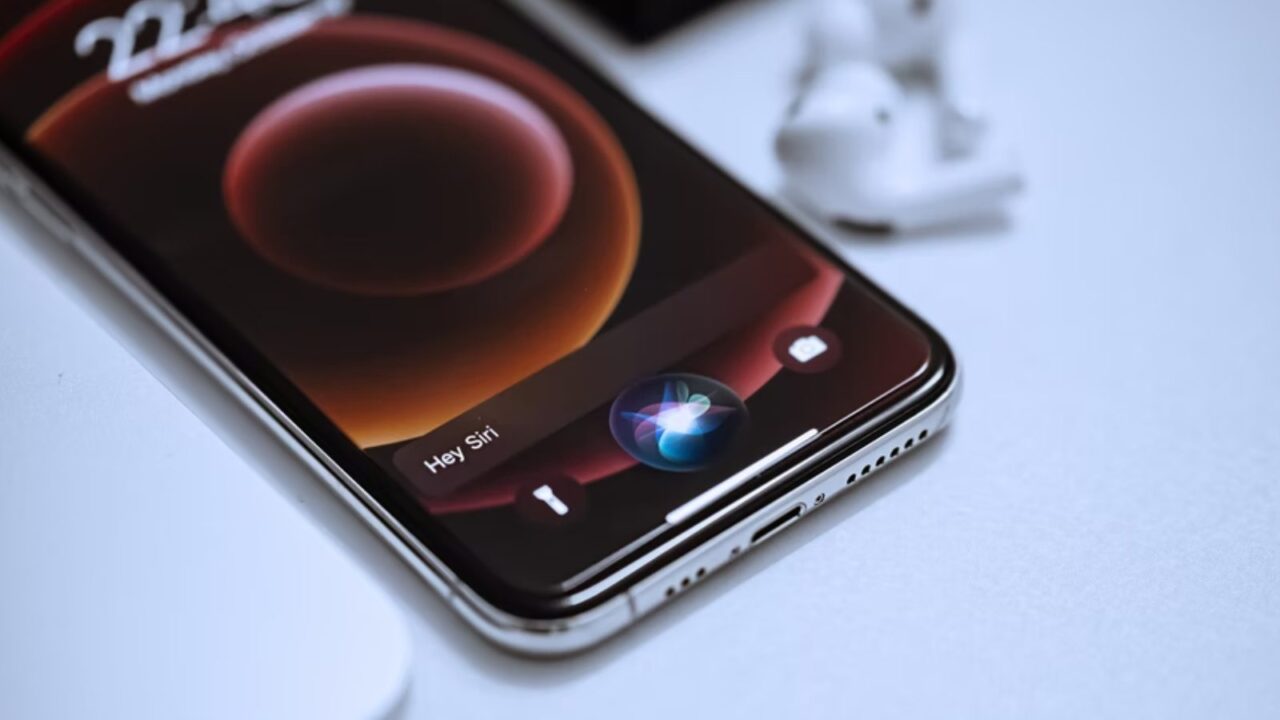
Omid Armin/Unsplash
For developers, the expanded framework provides an opportunity to make application features accessible through Siri AI without requiring users to open the application directly.
Apple has also begun rolling out these capabilities across its own apps, including Calendar, Files, Finder, Mail, Maps, Messages, Music, Notes, Photos, Safari, Shortcuts, and Weather, as well as Journal, Preview, and Reminders.
Compatibility, Availability, and Restrictions
Siri AI requires an Apple Intelligence-enabled device. Installing the latest beta alone does not guarantee compatibility. The feature currently supports English, French, Japanese, Korean, Portuguese, and Spanish. Apple plans to add Traditional Chinese, Norwegian, Turkish, and Vietnamese.
Siri AI is currently unavailable in the EU on iOS, iPadOS, and watchOS, and it is not available to users under 13. Certain server-based Apple Intelligence features, including Siri AI, are also subject to daily usage limits. Apple says expanded access will be available for a fee in the future.
The current release is an early developer-testing opportunity. Apple expects the first customer-facing integrations to arrive in a few months, while App Store submissions are expected to open in spring 2027. These timelines are not guaranteed. Apple also plans to share additional terms and usage policies for Siri AI integrations.
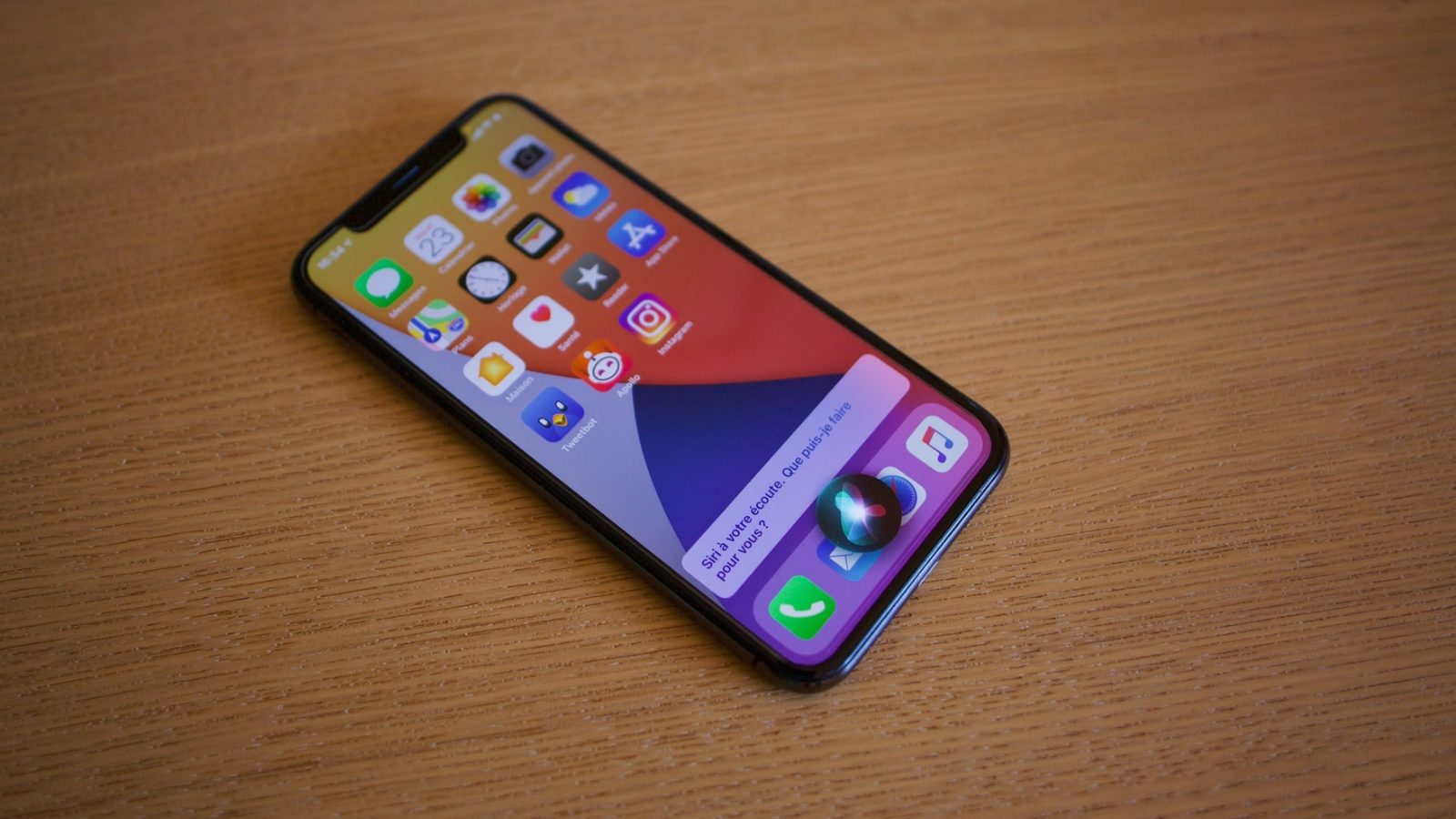
What Apple’s Siri AI Expansion Means for Developers
The Apple Siri AI Developer Preview expands Apple’s existing app integration framework rather than introducing third-party Siri support from scratch.
Developers can now begin testing more advanced experiences through App Intents, including contextual actions and multi-step app skills. Broader customer availability is expected in the coming months, with App Store submissions anticipated in spring 2027.
The effectiveness of these capabilities will depend on how many developers implement the framework and how well their integrations work.