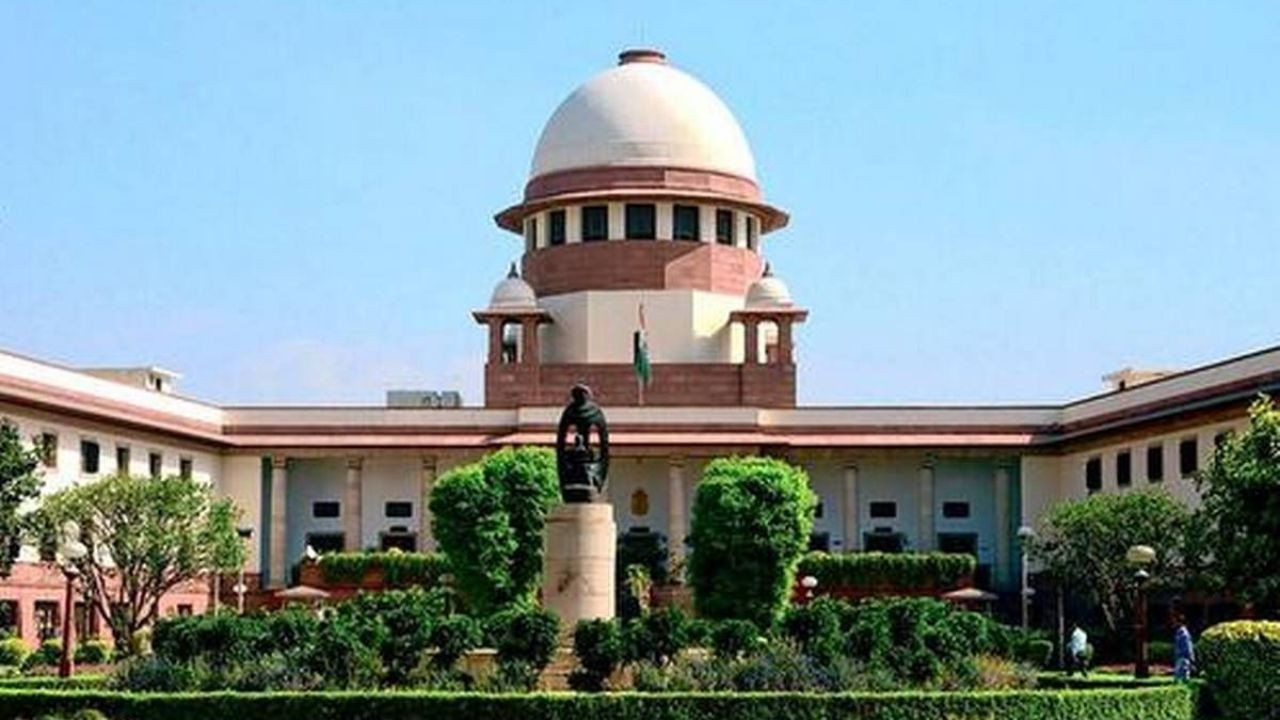
New Delhi: A hearing was held in the Supreme Court on the ongoing dispute regarding the new rules of the University Grants Commission. During this, the Central Government told the court that preparations are underway to form a committee to reconsider these rules. The government also assured that after the implementation of the new rules, there will be no fear or apprehension in the mind of any student. During the hearing, the Supreme Court said that it is most important to protect the interests of every student. The court has given more time to the central government in this matter.
There was a ban in January
UGC had made new rules to stop caste discrimination in educational institutions. These rules were implemented on January 13, 2026. But as soon as they were implemented, controversy started over them. Students demonstrated at many places across the country and alleged that these rules were favoring one section of the society. After the controversy escalated, the Supreme Court had put an interim stay on these rules in January 2026 itself. Since then the hearing of this case is going on.
In the latest hearing, Solicitor General Tushar Mehta told the bench headed by Chief Justice Surya Kant that the government is seriously considering addressing the concerns of the students. He said that the effort is to ensure that there should be no dissatisfaction or apprehension in the minds of any section of the society. Even in the last hearing, Tushar Mehta had said that UGC is reconsidering the new rules. After this the court issued notice to the Center and UGC.
What is the allegation in the petition?
In the petition filed against the UGC rules, a provision of the Promotion of Equality in Higher Education Institutions Rules, 2026 has been challenged. The petition states that 3(C) of the rule is arbitrary and discriminatory. Due to this, there is a danger of some sections being excluded from higher education. According to the petition, this provision is against the fundamental rights like equality, freedom of expression and personal liberty given in the Constitution. It has also been said that these rules are against the University Grants Commission Act, 1956 and harm the objective of providing equal opportunity to all in higher education.
At present, the Supreme Court has continued the stay on the rules. Now everyone's eyes are on what suggestions the committee formed for reconsideration gives and what further decision the government takes.