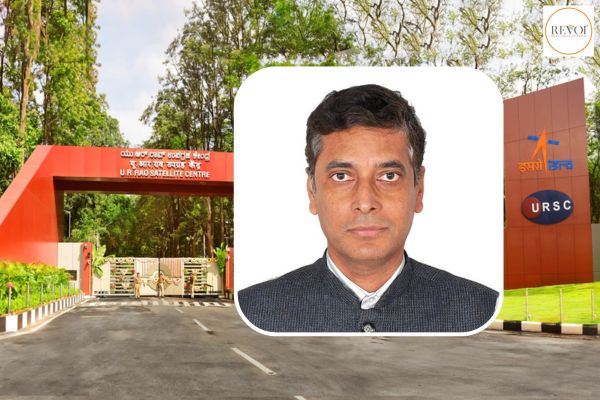
Sriharikota, October 5, 2026 – indigenous navigation satellite NVS-03 Indian Space Research Organization (ISRO) has achieved another historic achievement in the space sector by successfully launching the next generation navigation satellite NVS-03 by GSLV-F18 mission. This success will make the Indian Regional Navigation System 'NavIC' more strong and self-reliant.
On the success of this historic mission U. R. Rao Satellite Center (URSC) Director D.K. Singh had emphasized the strategic importance of indigenous technology. He had said that this satellite will prove to be very important for India's sovereignty and the security of the country's important infrastructure.
Power of accurate indigenous atomic clock
Giving information about the technical features of the satellite after the launch, Director D.K. Singh said, “NVS-03 has been developed under the leadership of U.R. Rao Satellite Center in collaboration with various ISRO centres. This satellite is equipped with a modern navigation transmitter which broadcasts signals in L-band and S-band. With its help, people will be able to know their exact geographical position using a normal navigation receiver.”
Also read: ISRO's Dr. Devdas Menon included in the list of top 2% scientists of the world for the second consecutive year
Describing the series' biggest technological breakthrough, D.K. Singh said, “The main feature of the last three satellites of this series is our indigenously developed atomic clock. Atomic clock is the heart of any navigation system, and this indigenous technology of ours has the ability to tell accurate time down to the nanosecond level.”
#WATCH | Sriharikota, Andhra Pradesh: On the successful launch of GSLV-F18/NVS-03 mission, Director of UR Rao Satellite Center (URSC), Dinesh Kumar Singh, says, “NVS-03, which was launched today, was built under the leadership of URSC with the participation of many other centres…it is equipped with navigation transmitters that broadcast signals in the L-band and S-band, allowing users to determine their precise position using a navigation receiver…a key highlight of the last three satellites in this series is our in-house developed atomic clock, which serves as the heart of any navigation system….developing indigenous capability serves two vital purposes. External navigation systems can always distort local receivers, we guarantee that critical national assets—such as our power grids and telecommunication networks. ultra-precise timing—stay synchronized to our own secure infrastructure.”
— ANI (@ANI) October 30, 2026
End of foreign dependency, country's infrastructure will be safe
D.K. Singh had stressed India's self-reliance while warning against the dangers of foreign navigation systems. He said, “Developing indigenous capability serves two very important objectives. First, it provides us with a universal navigation system. If we remain dependent on foreign navigation systems, they can interfere with time signals at any time, thereby confusing our local receivers.”
He added, “By relying on our own sovereign system, we can guarantee that our most critical national assets, such as power grids and telecommunications networks, require precise timing synchronization to always remain connected to our own secure infrastructure.”
Also read: From Ahmedabad to the head of India's Satellite Mission: Dinesh Kumar Singh appointed as Director of URSC Bengaluru
India's strength will increase with NavIC
With the successful launch of NVS-03, India will not have to depend on foreign networks like GPS. With the help of indigenous atomic clock and modern signals, navigation services will now become more accurate across the Indian mainland and beyond the borders. Smartphone navigation of the country's citizens, civil aviation, disaster management and the Indian Armed Forces will directly benefit from it.
♦ Give your opinion about special articles and news published in Revoi. – Email: (email protected) ♦