
The Toyota Innova HyCross was the highest-selling strong-hybrid car in September 2026, with 3,143 units dispatched to dealers. That gave the MPV a 35.2% share of the 8,918 hybrid vehicles covered in AutoPunditz’s latest sales compilation. The HyCross remained ahead of the Toyota Urban Cruiser Hyryder, which recorded 2,830 hybrids, and Maruti Suzuki Grand Vitara, with 1,067.
The lead is substantial, but there is another side to the numbers. HyCross hybrid dispatches were down 40% from 5,221 units in September 2025, a reduction of 2,078 vehicles. That fall was large enough to affect the entire hybrid market, which declined 9% year-on-year despite several other hybrid models growing.
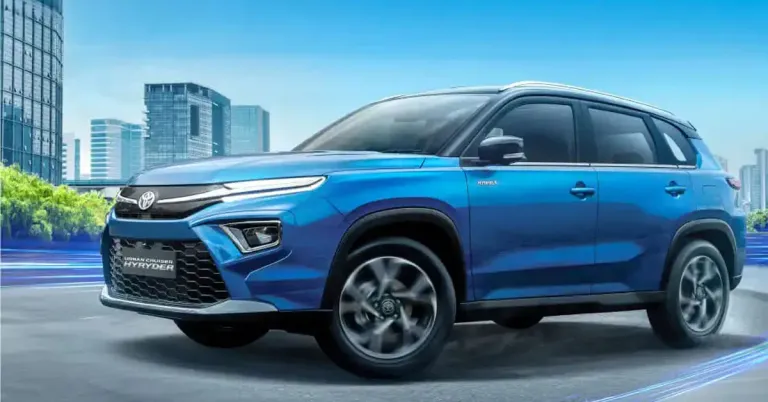
The HyCross outsold the Hyryder by just 313 hybrids in September. A year earlier, their gap had been 2,566 units, with the HyCross comfortably ahead. During the latest month, the Hyryder rose 7% while the HyCross fell sharply. That brings the two Toyotas close together in the hybrid rankings, even though they belong to different body-style and price segments.
The Grand Vitara was a distant third at 1,067 units, up 34%, while the newly launched Kia Sorento delivered 947 strong hybrids and ranked fourth. The Maruti Invicto, a closely related MPV that shares the HyCross’s strong-hybrid underpinnings, recorded only 272 units. That means the Toyota’s hybrid dispatches were more than eleven times those of its Maruti counterpart.
These figures count strong-hybrid powertrains only. They should not be confused with total Innova-family sales, which combine the Crysta and the HyCross across their powertrain choices. Toyota’s reported Innova plus HyCross volume was 8,008 units in September. The 3,143 hybrids are a subset of that broader figure, not the whole model-family total.

The Innova HyCross strong hybrid combines a 2.0-litre petrol engine with an electric motor and an e-CVT automatic transmission. Together, they deliver about 186PS, while the ARAI-certified efficiency figure is 23.24km/l. The hybrid system can move the vehicle on electric power for short periods, particularly in stop-start traffic, without requiring owners to plug it in.
For a large seven- or eight-seat MPV, that combination offers an alternative to conventional diesel-powered family transport. The automatic gearbox and smooth electric assistance are also useful for chauffeur-driven owners and people spending long periods in urban traffic. Real-world fuel economy will depend on load, driving style and conditions, so the certified figure should not be taken as a guaranteed everyday result.
Strong-hybrid HyCross prices currently start at around Rs 26.76 lakh, ex-showroom, for the VX seven-seat variant. Higher versions offer equipment such as ventilated front seats, a panoramic roof, a 360-degree camera and more elaborate second-row seating. The variant a buyer chooses makes a considerable difference to the final on-road price.
The HyCross is part of a much larger Toyota hybrid advantage. Its four models in the September compilatio- HyCross, Hyryder, Camry and Vellfire- accounted for 6,325 units, or 70.9% of total hybrid dispatches. Maruti followed with 1,553 units across Grand Vitara, Invicto and Victoris, while Kia’s Sorento contributed 947.
However, Toyota’s HyCross decline also means the brand cannot rely on the MPV’s previous volumes continuing automatically. Monthly dispatch figures can reflect production allocations, dealer stock and order fulfilment as well as demand. Without Toyota’s hybrid-specific waiting-period or booking data, it is not possible to say how much of the decline came from lower demand and how much from supply.