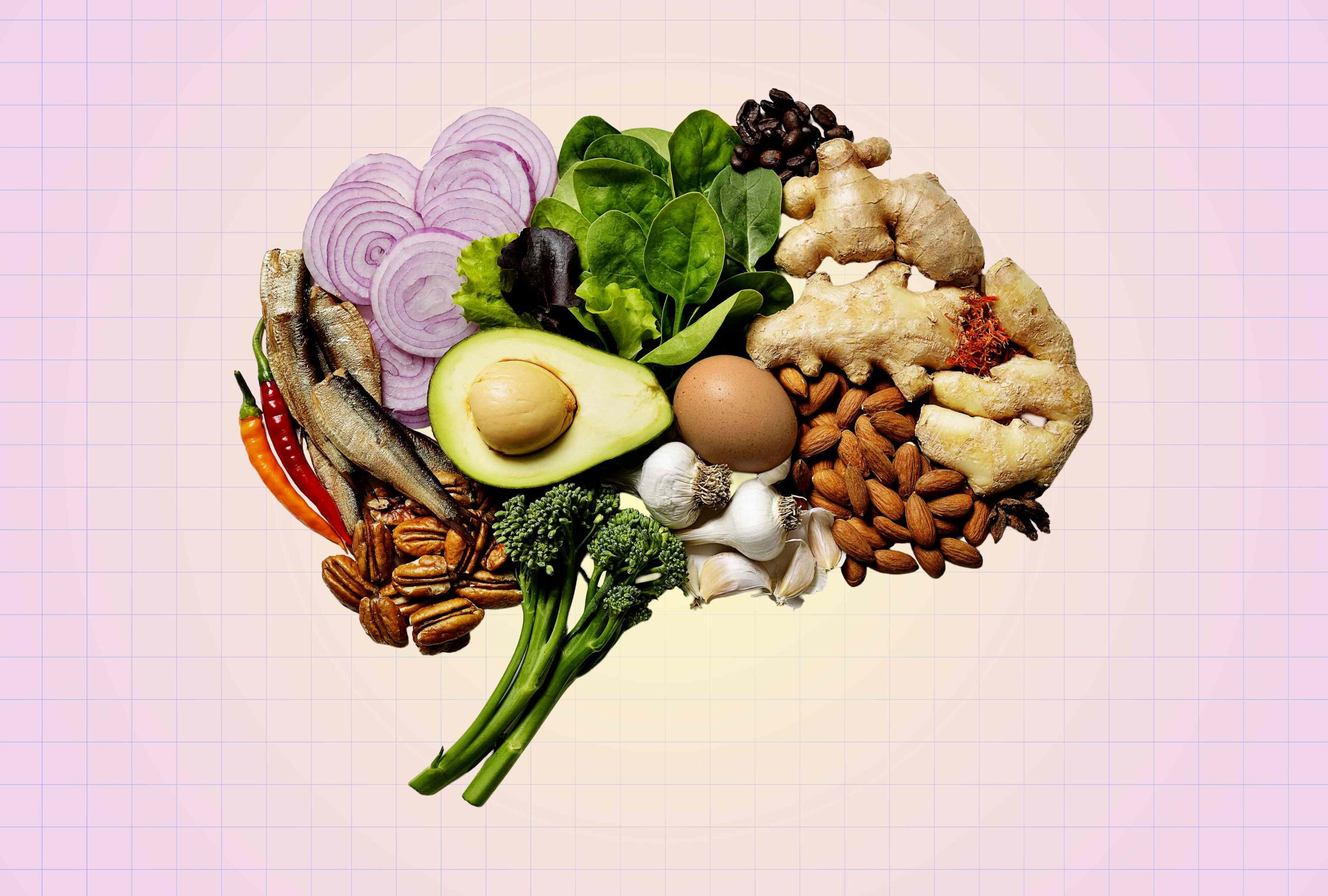
This breakfast classic has more to offer than just protein.
Reviewed by Dietitian Madeline Peck, RDN, CDN
Key Points
- Eating eggs may help lower dementia risk due to their choline, tryptophan and carotenoid content.
- Pair eggs with other foods that contain brain-protective nutrients to further support cognitive health.
- Leafy greens, berries and walnuts are staples of the MIND diet for brain health.
According to a 2024 dementia prevention, intervention and care report, up to half of all dementia cases might be preventable by modifying certain risk factors. Prevention strategies such as being physically active, managing diabetes and limiting alcohol can help stave off cognitive decline.
Another key factor is what you eat. When most people think about brain-protective foods, they think of walnuts and salmon. But there’s one common food you’re probably underestimating when it comes to brain health—eggs. “Observational studies have found that a weekly egg habit is associated with a reduced risk of Alzheimer’s dementia, which researchers attribute in large part to [eggs’] choline content,” says Maggie Moon, M.S., RD. Learn more about how eggs may help lower dementia risk and discover other foods that support brain health.
They’re Rich in Choline
Eggs are one of the best sources of dietary choline, a nutrient that is essential for brain health. “Eggs provide choline, which is an essential part of acetylcholine, a neurotransmitter without which it’d be harder to focus, learn or remember,” says Moon. The fact that choline makes up acetylcholine is key. “Acetylcholine is involved in working memory, long-term memory formation and memory retrieval,” says Moon. Research suggests that people who consume more choline in their diets have better verbal and visual memory. One population-based study with more than 12,000 participants found that moderate choline intake was associated with lower odds of dementia.
They’re a Source of Carotenoids
Eggs also contain carotenoids, a group of antioxidants that may help lower the risk of dementia. More research is needed to understand the mechanisms behind carotenoids and their brain-protective properties, but researchers hypothesize that the carotenoids’ anti-inflammatory and antioxidant effects help protect brain cells from damage.
Carotenoids are found in the yolk. In fact, they are what give the yolk its signature rich yellow-orange color. For a brain-healthy breakfast, try making an omelet with your eggs and other carotenoid-rich foods such as bell peppers, spinach and tomatoes.
They Contain Tryptophan
The protein in eggs isn’t just for building muscle; it also helps support brain health. Egg whites, in particular, are rich in the amino acid tryptophan, which is involved in mood regulation and cognitive functioning. Tryptophan also helps regulate sleep—another plus for dementia prevention. When you sleep, your body is hard at work clearing out toxins, including amyloid-beta proteins linked with Alzheimer’s disease. If you aren’t sleeping enough, your risk of dementia goes up.
Other Foods That Support Brain Health
Eggs aren’t the only food that can help lower your risk of dementia. The following foods are part of the MIND diet—a combo of the Mediterranean diet and the DASH diet—which is associated with a lower risk of dementia and Alzheimer’s disease. Here are some foods that are staples in the MIND diet and how you can incorporate them into your routine.
- Leafy greens. “Leafy greens are a top brain food that study after study has linked to better brain performance and reduced risk of cognitive decline and dementia,” says Moon. They’re full of brain-supportive nutrients and compounds like folate, lutein and vitamin E. Leafy greens can be enjoyed on their own or as part of salads, smoothies, pasta dishes and soups.
- Blueberries. Blueberries’ rich blue color comes from antioxidants called anthocyanins. “They enter the bloodstream and help fight inflammation and toxins we take in daily,” says Briana Reamer, M.S., RDN, LDN. Research suggests that eating blueberries regularly can reduce the risk of dementia, particularly among at-risk middle-aged adults. Experts recommend eating blueberries and other berries two to five times per week. They can be a great addition to snack plates, yogurt bowls, oatmeal, chia pudding or salads.
- Walnuts. Walnuts contain the plant-based omega-3 fatty acid called alpha-linolenic acid (ALA), which can support brain health. “ALA supports the development of new brain cells while making a clear path for communication between neurons in the brain,” says Reamer. Walnuts also may inhibit amyloid-beta—those proteins linked with the development of Alzheimer’s. Try adding them to a trail mix, blending them into your pesto or crushing them to use as a crust on salmon.
Our Expert Take
Lowering your dementia risk starts with your habits, including your eating patterns. A few simple changes can go a long way, especially if you’re consistent. Eggs are one common food that can support lower dementia risk. Research suggests that eating eggs weekly is associated with lower rates of dementia. This may be due to their choline, tryptophan and carotenoid content. Besides eggs, weaving leafy greens, berries and walnuts into your diet can help stave off cognitive decline. Start by sprinkling these foods onto salads or into smoothies, oatmeal bowls and yogurt parfaits for a nutrient (and flavor) boost.