- Salary income excluded
- The central government's plea was rejected
- Effect on appointments from 2012 onwards
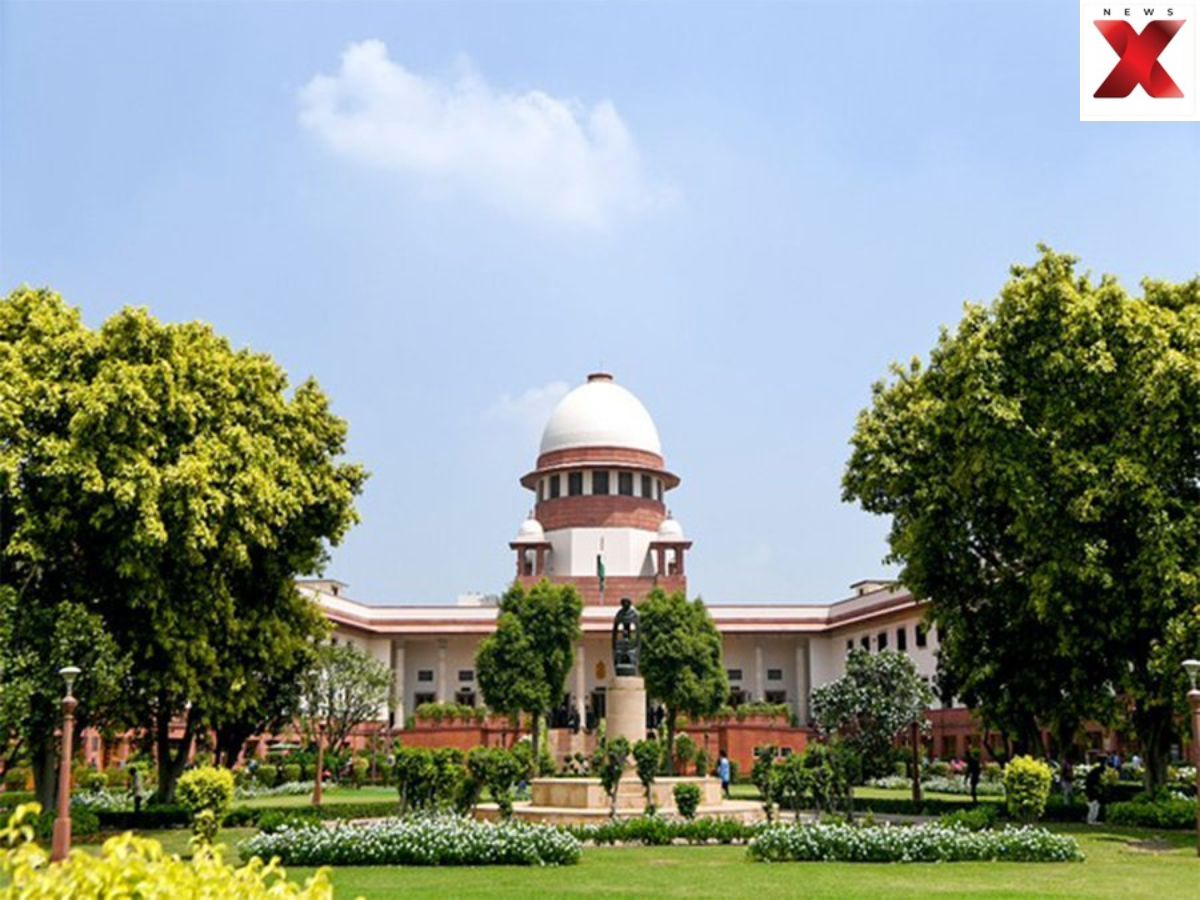
Supreme Court OBC Creamy Layer Verdict: The Supreme Court has dismissed the central government's revision petition regarding the OBC creamy layer reservation. Salary income of parents will not be included while determining the creamy layer for OBC reservation. The Supreme Court clarified that the exclusion from the creamy layer will not be based on the income of the parents, but on their service status and rank. Along with this, the court has also said that this decision will not be applied with retrospective effect. On March 11, in the case of 'Union of India v Rohit Nathan', the Supreme Court gave an important clarification regarding the OBC non-creamy layer criteria.
What is the rule of the creamy layer?
The Supreme Court has said that determination of creamy layer is based on status and not just on income. It is important to consider the parent's position (eg group A, B, C, or D). Generally, a candidate with an annual income of more than Rs 8 lakh is considered eligible for the creamy layer. But as per the original rules (Office Memorandum of 1993), salary and income from agricultural land are excluded from the calculation of ₹8 lakh.
Sugar Price Hike : Will sugar become expensive again? Big demand for government to increase sugar rates; What are the reasons?
Demand of Central Govt
The central government's main demand in the dismissed petition was that the Supreme Court should order the decision to be applied with prospective effect instead of with retrospective effect. The government argued that if the March 11 decision is implemented with retrospective effect, the appointments, service allocations (such as IAS, IPS and IFS cadre allocation) and seniority lists made since 2012 would have to be revised. This will affect even the employees who are not even parties to the suit and the administrative machinery will come to a complete standstill.
The central government had requested the court to give two years to public sector undertakings (PSUs), banks and private sector posts to come up with a new, uniform policy to compare posts with government posts, but the court also rejected this request.
Karambhumi Express Fire Breaking: Karmabhumi Express running in Punjab has a terrible fire! Burn 4 cans
What is OBC Creamy Layer?
Other Backward Classes (OBCs) are given reservation in all government jobs. Some of the candidates in this category are considered as 'creamy layer'. OBC is a class which is economically and socially empowered and does not require any reservation. An annual income of ₹8 lakh has been fixed for this. Earlier, this criterion also included parents' income, but as per the Supreme Court ruling, the income of parents working in the private sector or public sector undertakings (PSUs) cannot be considered as basis for the 'creamy layer'.
What next?
Following the Supreme Court's latest decision, the Central Government and the Department of State (DoPT) will have to take further action in the case of candidates who were denied appointment or allotment of services despite qualifying for the OBC non-creamy layer status as per the March 11 decision. The court has directed to appoint such qualified candidates. It is said that the effect will not be limited to the present cases only, but also in future the criteria as per the 1993 rules will be applied to determine the OBC creamy layer.