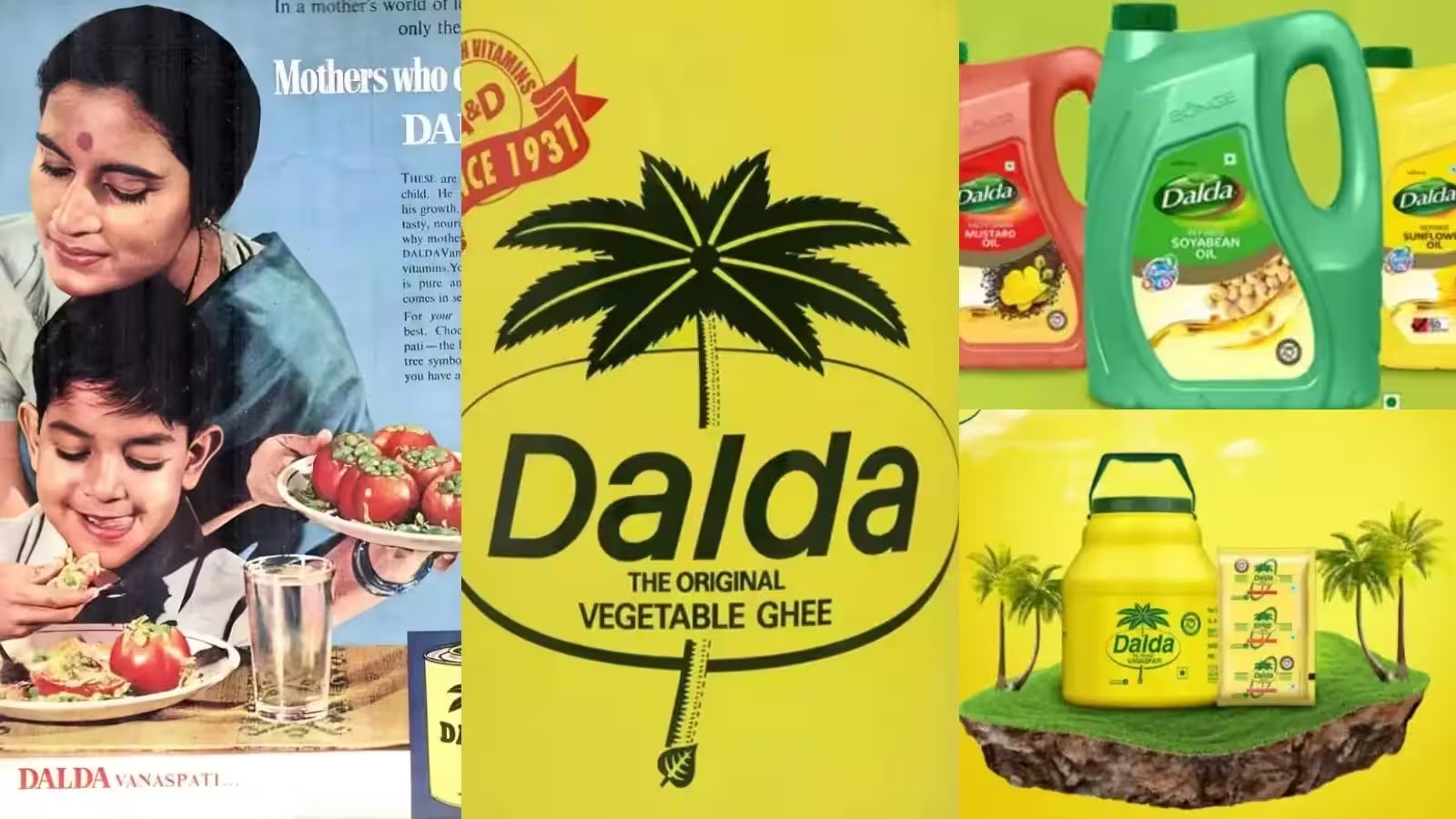
It is not possible to mention the kitchen of Indian homes and not find the name of Dalda. Today, even though people have become crazy about refined oil, olive oil or desi ghee, there was a time when cooking a dish without Dalda in the kitchen of every house in the country was considered incomplete. Be it puri, kachori, halwa or everyday food, dalda has ruled the world of Indian food for decades. The story of this brand is no less interesting than a film script. This story is not just of a vegetable ghee, but of that era in India when the country was under the shackles of British slavery and a new product had created a stir in the market. Initially when this product landed on Indian soil, no one had thought that it would make a place in the hearts of common Indian families in such a way that generations would change but the name of Dalda would remain immortal in every household.
How ‘Dalda’ came from ‘Dada’, what is the interesting history behind this name?
There is a very interesting and historical story hidden behind the name of Dalda. It is about the time when during the British rule, a German company ‘Darwin & Company’ (Hansa Gesellschaft) imported this Hydrogenated Vegetable Oil from Netherlands to sell in India. This new taste and form was completely new to the people of India. At that time, it was launched in the market by combining the initial parts of the name of the German company ‘Darwin’ and the name of its distributor in India (Dutch firm) ‘Loton’ (Schicht). The word ‘Dalda’ was formed by combining the names of both the companies (Darwin + Lhotan). But the Indian public and shopkeepers adopted it as ‘Dalda’ or ‘Dada’ in their local language and accent. With time, this foreign name became so prevalent on the tongues of Indians that it became like any Indian name and people accepted it as their own brand.
With time, the ownership of this brand changed and its journey in India started touching new dimensions. Later, the giant company Hindustan Lever (now Hindustan Unilever – HUL) took over the business of Dalda. HUL’s excellent marketing strategy, village-to-village distribution network and advertising power took Dalda to every corner of India. Stories of Dalda’s purity and economy started echoing in radio advertisements and newspaper pamphlets. Being extremely economical and easily available compared to desi ghee, it proved to be a boon for middle class families. During the festival season the demand for Dalda used to skyrocket. When the fragrance of the dishes prepared by the hands of mothers and grandmothers was fragrant in Dalda, the whole family used to be drawn towards the kitchen. This brand was not just an edible oil but became an important part of the memories of many generations of Indian families.
Challenges of changing times and relevance of Dalda in modern Indian kitchen
As times changed, people’s eating habits and health preferences also started changing. After the 1990s, when economic liberalization came in the country and lightly refined oils like soybean, sunflower and rice bran entered the market, a big challenge arose before vegetable ghee like Dalda. Dalda’s sales were also affected due to health experts’ warnings about trans fat and saturated fat. But being a strong brand, Dalda adapted itself with time. Today, the Dalda brand is not limited to just botanicals, but keeping in mind the changing health needs of consumers, the company has also launched refined oils and other food products in the market. Even though the way it is used in the kitchen has changed today, the name ‘Dalda’ is still synonymous with Indian culture, nostalgia and trust, whose examples are rarely seen in the market.