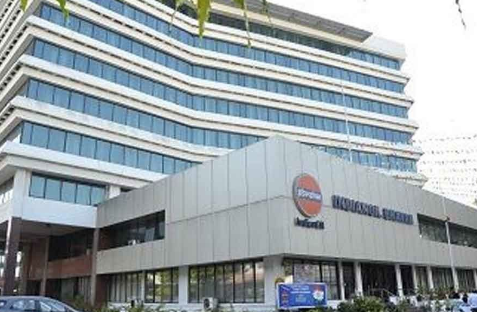
New Delhi, 8 November 2026: Keeping in mind the growing geopolitical tensions in West Asia and the disruptions in maritime transport around the Strait of Hormuz, the country's leading public sector oil company 'Indian Oil Corporation' (IOC) is now planning to buy private ships for handling its crude oil and LPG. Amidst the huge increase in freight transportation costs, the country's largest refinery company wants to strengthen control over its energy supply chain. According to company experts, the company's board has already given approval to purchase some ships and for this, tenders have also been issued months ago. IOC Finance Director Anuj Jain gave this information in the conference organized on the second quarter results.
Anuj Jain had said that now the country's oil sector companies need to pay more attention to shipping. The company is also exploring the possibilities of building ships in the country under the 'Make in India' initiative of the government. These steps will bring a big change in the shipping strategy of the company. Until now the IOC has primarily used ships under time-charter and voyage-based arrangements. Now the company is considering three main options, namely, making the existing charter system more efficient, purchasing the company's own ships and promoting domestic shipbuilding.
-
West Asian crisis and huge jump in shipping costs
Due to tensions in West Asia, the flow of commercial ships has been affected, due to which freight rates and war risk insurance amounts have increased. Currently IOC operates 3 crude oil and 9 LPG vessels on time-based charter.
Crude oil manipulation: This cost on time-based charters is approximately $2 to $2.50 per barrel, while on the open market this rate rises to $8 to $10 per barrel.
LPG manipulation: Normally this cost is around $40 per ton, but in the open market it has increased to $160 to $180 per ton.
-
Diversification of sources of imports and accumulation of oil
In the first half of the current financial year, IOC has purchased 55 percent of its total crude oil requirement from Russia. Apart from this, 24 percent crude oil has been imported from West Asia, 10 percent from Africa, 7 percent from Brazil, 2 to 5 percent from America and 3 to 4 percent from Venezuela.
There has been a huge rise in oil prices due to increasing tension between America and Iran at the end of February. The average price of Indian crude oil in February was around $65 to $70 per barrel, which remained above $100 per barrel for most of the first quarter and in October its average price was around $120 per barrel.
Despite such challenges, IOC has maintained an excellent level of operation at its refineries and has increased the quantity of crude oil from the normal 33-35 days to approximately 39 days. Apart from this, the company has sufficient quantity of LPG available for 20 days and petrol-diesel for 23 to 25 days.