TECHNOLOGY
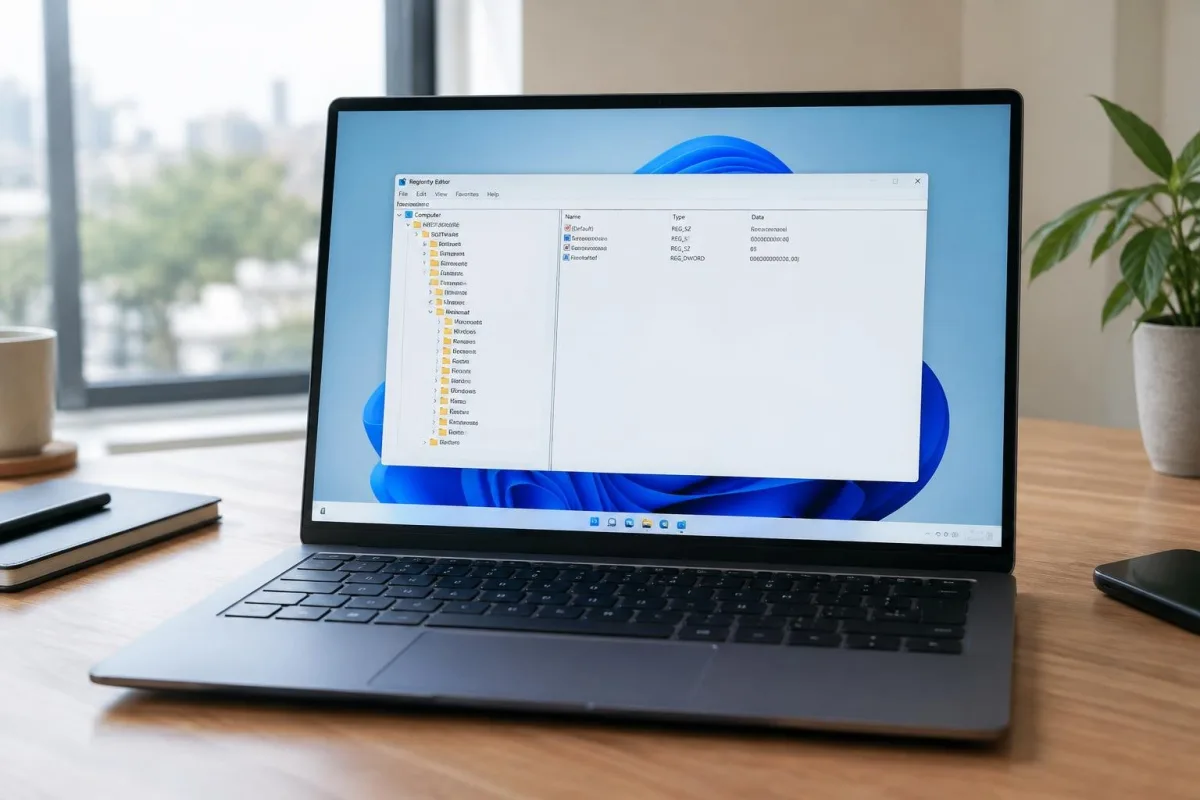
Microsoft has introduced a native WinUI version of the Registry Editor, offering a modern interface while retaining the original layout.
NEW DELHI, Nov 8: Microsoft has developed a native WinUI 3 version of its Registry Editor, transforming its appearance and functionality compared to the traditional regedit tool. This version was identified in the company’s open-source Microsoft.UI.Reactor repository and successfully compiled on a Windows 11 PC.
While the software giant has only briefly referenced a registry editor in a recent developer blog post, this is the first instance of the application running on a PC. It remains a developer sample, and there are no announcements regarding its potential to replace the existing Registry Editor.
Over the years, the classic Registry Editor has maintained a two-pane layout reminiscent of Windows 95, with minimal updates. This WinUI version retains the same layout, allowing power users to work without relearning the interface. However, it offers enhancements such as more spacious menus and a new address bar featuring WinUI design elements, in contrast to the outdated yellow folder icons of the past.
On the latest Windows build tested, the application opened swiftly and operated comparably to the existing regedit. Users experienced fluid animations for menu operations and smooth window resizing when navigating through keys like HKEY_CLASSES_ROOT and HKEY_LOCAL_MACHINE(SOFTWARE).
Microsoft describes the Reactor framework as an experimental environment that embraces the Model-View-Update (MVU) pattern for WinUI desktop apps. Alexandre Zollinger Chohfi, a Principal Software Developer Engineer, noted the initiative aims to explore the capabilities of MVU within WinUI.
This is not merely an updated interface; the underlying code allows for manipulation of the Windows Registry, including creating, renaming, or deleting keys and values. A dedicated RegistryService class handles interactions with the Registry while managing permission errors to prevent application crashes due to protected keys.
While the sample product is still missing certain features, like managing permissions, its design is a significant shift toward a modern Windows 11 experience. Microsoft’s design team plans to address older user interfaces across its products, although it reassured users that the traditional Control Panel will remain intact.
The new version of the Registry Editor represents a substantial modernization and improvement in usability. Its future remains uncertain, as Microsoft has not committed to releasing a final product.
Sources

Bhupendra Singh Chundawat is a seasoned technology journalist with over 22 years of experience in the media industry. He specializes in covering the global technology landscape, with a deep focus on manufacturing trends and the geopolitical impact on tech companies. Currently serving as the Editor at Readhis insights are shaped by decades of hands-on reporting and editorial leadership in the fast-evolving world of technology.