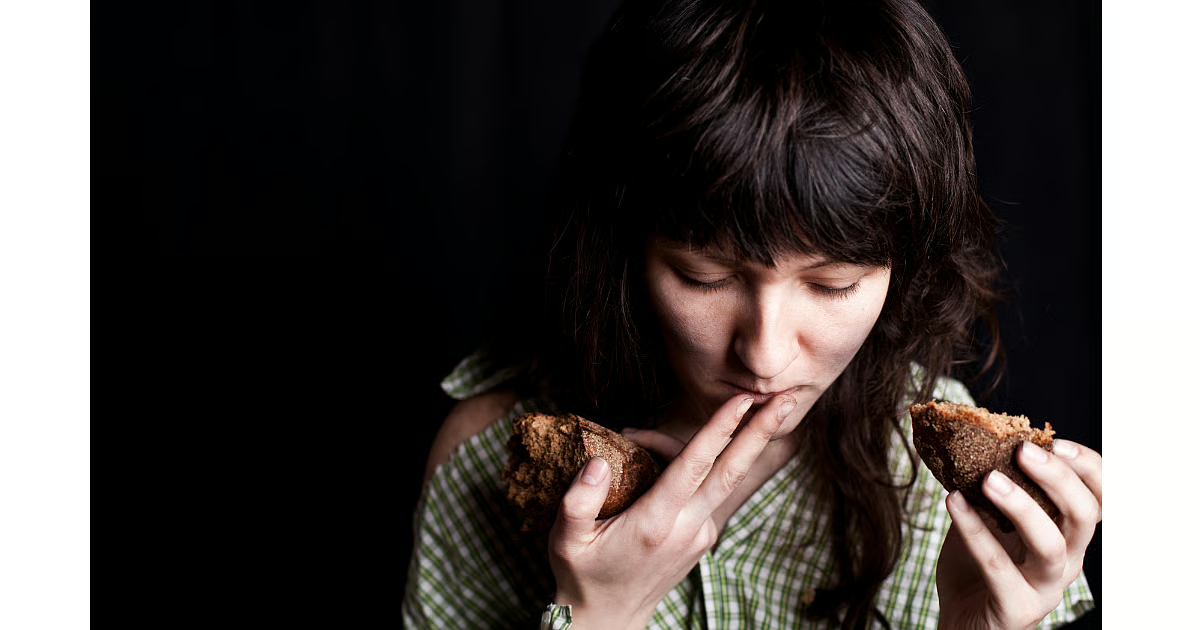
A condition that causes you to limit the amount and type of food you eat is known as Avoidant/Restrictive Food Intake Disorder (ARFID). It is different from other eating disorders in the sense that it isn’t the result of a distorted self-image or an attempt to lose body weight.
Symptoms: When eating becomes a challenge
-
Disinterest in eating or having very little appetite.
-
Anxiety about what might happen when you eat. It could be the fear of vomiting or choking.
-
Being very selective about what to eat because of the taste, smell, texture or appearance of food.
This could be the reason why ARFID is sometimes known as selective eating disorder. People with ARFID may also develop specific patterns of behaviour around the way they eat, such as eating their food in a particular order or avoiding certain textures.
The biggest problem is that this can affect nutrient intake and, if left untreated, can lead to nutritional deficiencies, weight loss and other serious, potentially life-threatening complications.
ARFID vs picky eating: There is a difference
ARFID is different from picky eating. Children who are picky eaters often avoid certain foods because they don’t like their look, taste or smell. They may like some foods and dislike others, but as they grow up, they may become less selective.
ARFID, however, is not simply a phase that a person will outgrow. The restricted eating is severe enough to affect a person’s health, nutritional intake, growth or everyday social functioning. It can persist into adulthood and may require professional treatment.
ARFID is relatively new: What do we know so far?
There aren’t as many studies available on Avoidant/Restrictive Food Intake Disorder (ARFID) as there are on some other eating disorders. It was formally recognised as a diagnosis in 2013. Although research has grown since then, there is still much to learn about its long-term impact and treatment.
ARFID can lead to weight loss, stomach cramps, lethargy and irregular menstrual cycles. Some of these are physical consequences of inadequate nutritional intake rather than direct symptoms of the disorder.
It can also result in behavioural changes, such as feeling full quickly, having very little appetite, difficulty paying attention and limiting the quantity and variety of food intake. Difficulty concentrating, in particular, can be associated with inadequate nutrition.
ARFID is linked to three main patterns of food avoidance: sensitivity to the taste, smell or texture of food; fear of unpleasant consequences such as choking or vomiting; and a lack of interest in eating. A previous unpleasant eating experience may also contribute to food-related fears. It can affect both children and adults.
Diagnosis and treatment: Getting the right help
To check your general health, nutrient levels and organ function, a healthcare provider may recommend a physical examination along with blood or urine tests.
The diagnosis also involves assessing your eating habits, medical history, nutritional status and whether restricted eating has affected your weight, growth or everyday social functioning. The healthcare provider may also rule out other medical conditions and eating disorders.
Cognitive Behavioural Therapy (CBT), particularly an adapted form known as CBT-AR, is one of the main treatment approaches for ARFID. It looks closely at the thoughts, fears and behaviours that contribute to the condition and helps a person gradually become comfortable with different foods.
Treatment may also involve a dietitian and other healthcare professionals to help restore nutritional health. Medication is not a standard first-line treatment for ARFID, but a healthcare provider may prescribe it in certain cases to address associated anxiety or other coexisting conditions.
In severe cases, when a person is unable to meet their nutritional requirements through regular eating, healthcare providers may recommend nutritional support through a feeding tube. By bypassing the need to eat normally, the feeding tube allows nutrients to reach the body when adequate oral intake is not possible.
—manuvipin@newindianexpress.com
@ManuVipin