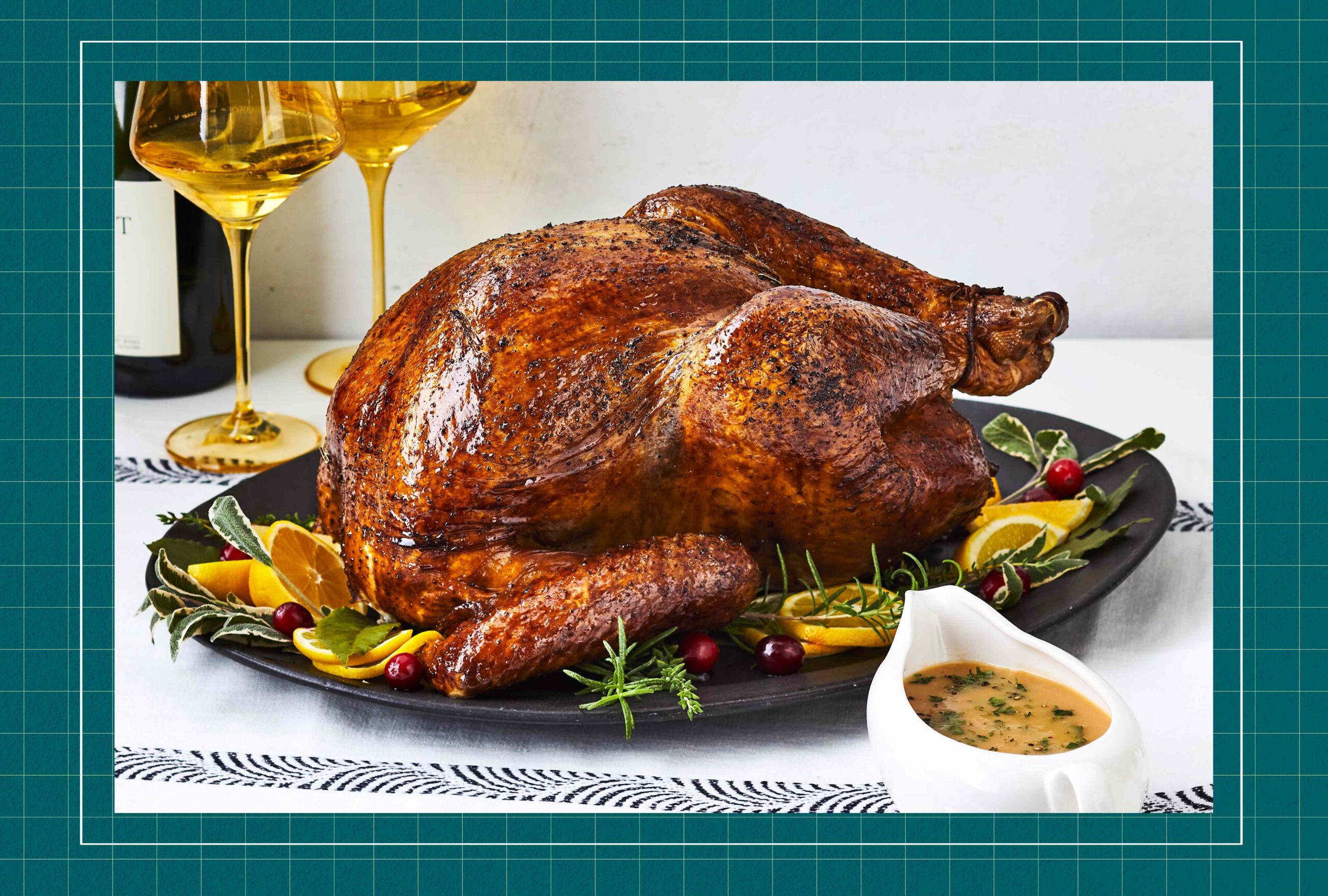
If you’re planning a turkey feast, or just love eating turkey, here’s what you need to know.
Reviewed by Dietitian Lisa Valente, M.S., RD
What to Know About Turkey
- Turkey is an excellent source of high-quality protein, which supports every cell in your body.
- It’s rich in B vitamins and several minerals that support your immunity, energy, mood and more.
- Turkey is versatile and is delicious in sandwiches, soups, salads and casseroles.
I eat a relatively wide variety of foods, but I’ve got some staples that always seem to fall into my cart at the grocery store. They’re foods I enjoy often, not just because I like the way they taste, but because they offer plenty of nutrition. One of those foods is turkey. It’s a year-round staple for me, and also extra popular at Thanksgiving. Packed with lean protein, B vitamins and minerals that can boost immunity, it’s a food I feel good about eating.
Here’s more science-backed info from registered dietitians about what turkey offers for nutrition and health benefits, who should avoid turkey and tasty ways to eat it.
Why We Love Turkey
It’s Packed with Protein
“Protein supports muscle maintenance and repair as part of a balanced diet,” says Chelsey Amer, M.S., RDNwho adds that protein is also essential for proper immune function, cellular repair and hormone production.
One 3-ounce serving of turkey provides 25 grams of protein, which helps meet the goal of consuming the Dietary Guidelines for Americans’ recommendation of 1.2 to 1.6 grams of protein per kilogram of body weight per day.
It’s a Boost of B Vitamins
That same 3-ounce serving of turkey offers up 42% Daily Value of vitamin B6 and 33% DV of vitamin B12, important nutrients for energy production and metabolism. B12 is also necessary for the synthesis of DNA, the molecule that carries our genetic information. Your body can’t make vitamin B6 or B12, so consuming foods that contain them is essential. Inadequate intake of Vitamin B12 can lead to anemia, which can cause fatigue, weight loss and depression.
It Supports Immune Function
During sick season, you might be able to feel better by adding turkey soup to the menu. Frances Largeman-Roth, RDNsays we can thank the iron and zinc found in turkey for a little boost of protection against germs and viruses. Both nutrients are vital for a healthy immune system, helping white blood cells fight infection and inflammation. Deficiencies in either can lead to immune system vulnerability, making it hard to fight illnesses and disease.
It Supplies Nutrients That Help Memory and Mood
It turns out that a little turkey can help boost your memory and mood. Largeman-Roth explains that’s partly because one serving of turkey contains 76 milligrams of choline, a hard-to-find nutrient that’s important for brain health, especially cognitive functioning. Turkey also contains tryptophan, says Amer, an amino acid that can support serotonin production, which can boost mood.
It Contains Anti-Inflammatory Selenium
A serving of turkey contains almost 50% of your daily selenium needs. Selenium is a powerful antioxidant that can protect cells from free radical damage, but also plays an important role in thyroid and reproductive health. It also has immune-boosting effects, protecting against infection and oxidative damage.
Nutrition Information
Turkey is rich in protein and offers a variety of vitamins and minerals that support health. Here’s a closer look at the nutrients it provides. Depending on if you’re roasting your own turkey or buying deli turkey, and what seasonings you add, the numbers may vary slightly.
The following is the nutrition information for 1 serving, or 3 ounces, of roasted turkey.
- Calories: 135
- Carbohydrates: 0 g
- Dietary fiber: 0 g
- Total sugar: 0 g
- Added sugar: 0 g
- Protein: 25 g
- Total fat: 3 g
- Saturated fat: 1 g
- Cholesterol: 86 mg
- Sodium: 86 mg
- Vitamin B6: 0.6 mg (42% DV)
- Vitamin B12: 0.8 mcg (33% DV)
- Selenium: 26 mcg (47% DV)
Is Turkey Safe for Everyone?
Amer states that turkey is generally considered safe for most people to eat, but if you have a poultry allergy, it should be avoided.
As for light versus dark meat, Amer recommends that dark meat should be consumed in moderation for individuals with gout. Gout is a form of arthritis that occurs due to excess uric acid in the body, resulting in uric acid crystals that deposit in joints, causing swelling and pain. “Dark meat turkey and the skin are high in purines, which can contribute to uric acid formation,” says Amer.
It’s also good practice to cook your turkey to a proper internal temperature (a probe inserted in the thickest part of the bird should register 165°F) along with keeping work surfaces clean after handling any raw turkey.
3 Ways to Enjoy Turkey
There’s nothing like a turkey dinner, complete with all the fixings. But this isn’t the only way to include turkey in your diet. Here are a few more ideas:
- In a sandwich: Add sliced turkey between two slices of whole-wheat bread or stuff it into a whole-wheat pita and enjoy it as a sandwich. The toppings and fixings are up to you, but we recommend plenty of vegetables and a delicious spread like chipotle mayo or pesto. Or add some fruit and cheese for a sweet-and-salty version. We love apples and cheddar in our turkey sandwiches.
- As a salad topper: Make a big salad full of vegetables, whole grains and nuts and add leftover turkey as a topping. It makes for a great protein in a Cobb salad or grain bowl.
- Added to soup: For an extra protein kick, add leftover diced or shredded turkey to a bowl of soup. Turkey is an easy swap for chicken in any of your favorite soup recipes.
Our Expert Take
Turkey is a protein-packed food that offers several other nutrients that benefit health. A single 3-ounce serving provides B vitamins and minerals like selenium, iron and zinc that can benefit everything from immunity to boosting your mood. Enjoy it as a sandwich, toss it in a salad or soup or get creative and find your own way to serve it for any weeknight or holiday meal.
Frequently asked Questions
Does turkey really cause sleepiness?
It’s true that the tryptophan in turkey can make you feel tired, but it’s unlikely that a 3- or 4-ounce serving of turkey will leave you craving a nap.
Is turkey healthier than chicken?
Both turkey and chicken are excellent sources of protein. These poultry choices also have light and dark meat, as well as skin. Skinless chicken and turkey breast are lean choices, so it’s really more a matter of preference.
What happens if I eat turkey every day?
While it’s unlikely to cause serious harm—assuming you eat other foods throughout the day—it’s best to enjoy all foods in moderation and eat a variety of them. This ensures you’re getting an array of nutrients to support good health.