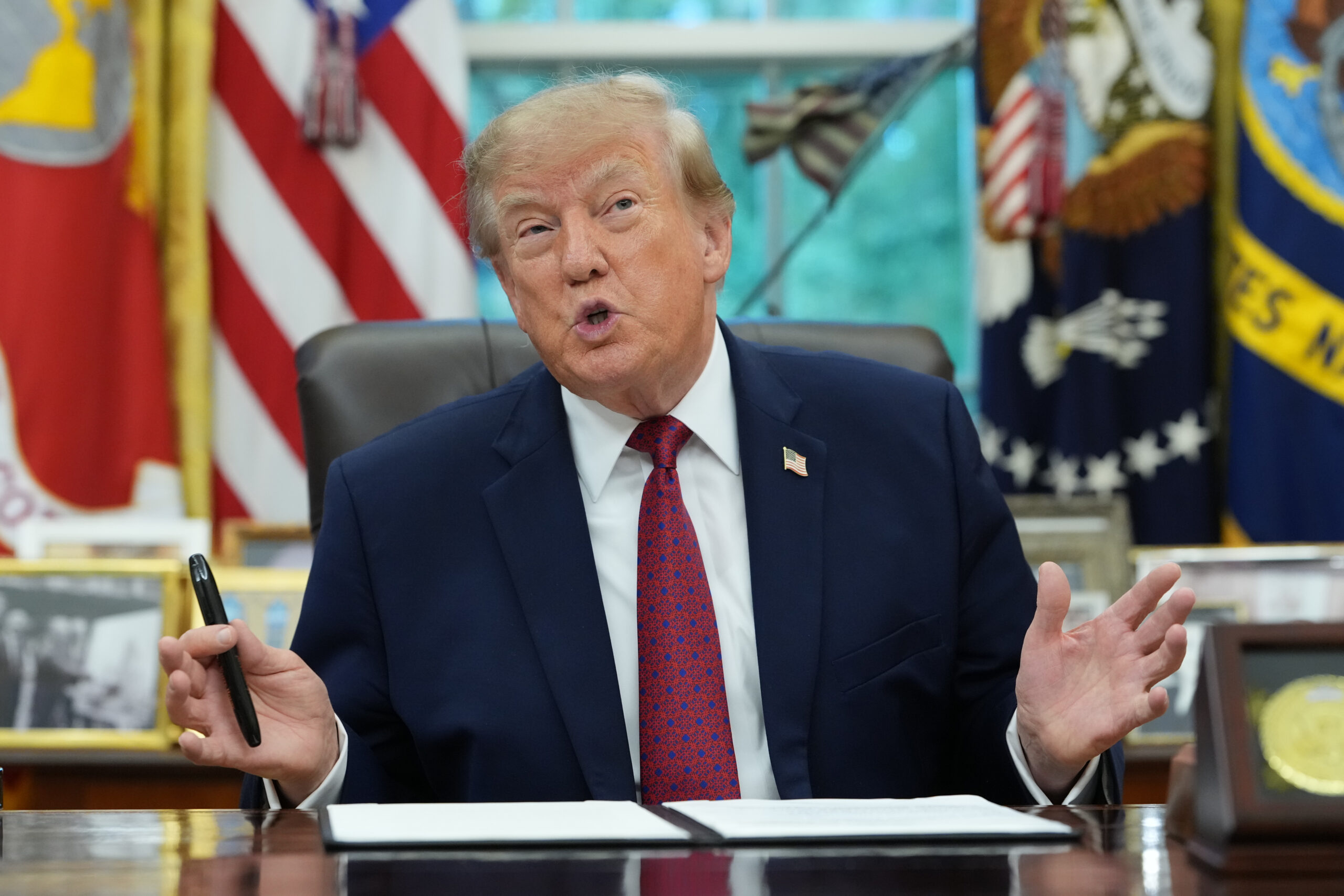
Trump Questions Midterm Results Without Evidence as Democrats Prepare to Take Congress/ NEWSLOOKS/ WASHINGTON/ J. Mansour/ President Donald Trump questioned the integrity of the midterm elections Monday without offering evidence that fraud affected the results. His allegations about voting machines followed comments suggesting he accepted Republicans’ losses and could work with Democrats. The conflicting messages come as Trump promotes immigration hardliner Stephen Miller to chief of staff while acknowledging that deportation policies may have been too harsh.
Quick Look
- Unsupported allegations: Trump suggested voting machines contributed to Republican defeats without presenting evidence.
- Congressional shift: Democrats won control of both the House and Senate.
- Conflicting messages: Trump’s fraud claims followed remarks about accepting the results and pursuing bipartisan deals.
- Candidate criticism: The president has blamed Republican candidates, including some he endorsed, for their losses.
- Immigration acknowledgment: Trump said his administration’s deportation approach “might be too tough.”
- Miller promotion: His selection of Stephen Miller as chief of staff signals continued influence for a leading architect of that agenda.
- Limited backing: Fewer allies appear willing to amplify Trump’s election allegations than after his 2020 defeat.

Deep Look
Trump Questions Voting Machines Without Presenting Evidence
President Donald Trump escalated his unsupported criticism of the midterm election results Monday, suggesting that voting machines helped cost Republicans control of Congress.
The allegations marked another shift in his response to a sweeping electoral defeat. Trump had previously indicated that he accepted the outcome and would consider working with Democrats, who will take control of the House and Senate in January.
On Truth Social, however, he questioned whether the election had been conducted honestly.
“Does anybody really believe that this ‘Election’ was honest. How could the Polls be so wrong???” Trump wrote.
“Some early voting ‘dumps’ were so large that it was impossible to win, no matter how many people went to vote. It’s all about the machines, which are far more important than the voter!”
Trump provided no evidence that voting machines were manipulated or that fraud changed the outcome.
Fraud Claims Follow Efforts to Blame Republican Candidates
The president’s post followed a weekend in which he shared charts insinuating, without supporting evidence, that the large shift toward Democratic candidates was suspicious.
Those suggestions accompanied his efforts to place responsibility for the Republican losses on the party’s candidates rather than his own administration. Some of the defeated candidates had secured Trump’s endorsement.
His response echoes a longstanding pattern of challenging elections in which he or his allies lose. After his defeat to Joe Biden in 2020, Trump repeatedly promoted false fraud allegations and attempted to overturn the result.
This time, fewer allies appear willing to rally behind his claims, according to the POLITICO report.
Talk of Cooperation Competes With Defiant Signals
Trump’s election allegations contrast with his public suggestions that he could negotiate with the incoming Democratic majorities.
He has also acknowledged dissatisfaction with aspects of his immigration agenda. In his “60 Minutes” interview, Trump said the administration’s deportation approach “might be too tough,” particularly toward immigrants who have lived in the United States for years without committing serious crimes.
Those remarks suggested a possible opening for reconsidering enforcement practices. They did not include an announcement of specific policy changes.
At the same time, Trump selected Stephen Miller, a longtime adviser and central architect of his restrictive immigration policies, to replace Susie Wiles as White House chief of staff.
The combination leaves competing signals about how Trump intends to govern during his remaining two years: negotiating with Democrats while maintaining the policies and political approach favored by his strongest supporters.
White House Points to Conditional Acceptance of Results
Asked about the president’s allegations, the White House referred to his Truth Social post and comments he made before the election.
Trump had said he would accept the outcome “if they’re honest elections.”
His critics have warned that unsupported fraud allegations could undermine confidence in the results and have urged the public to demand concrete evidence before accepting such claims.
Trump’s Monday post supplied no evidence establishing that fraud or voting-machine interference caused the Republican defeat.
More on US News