Global crude oil prices declined for a second consecutive session on Tuesday, November 10, after US President Donald Trump indicated that further military strikes against Iran were not necessary for now. His comments eased concerns about prolonged disruptions to oil supplies from the Middle East, putting downward pressure on international crude benchmarks.
Brent crude futures fell 70 cents, or 0.75%, to $91.88 per barrel by 0246 GMT. US West Texas Intermediate (WTI) crude futures declined 78 cents, or 0.90%, to $86.07 per barrel.
The latest decline followed a sharp fall on Monday, when Brent crude settled 5.85% lower at $92.57 per barrel.
Trump’s Comments Ease Oil Market Concerns
Trump said he would hold off on further military strikes against Iran for the time being, following appeals from regional countries, including Qatar.
Speaking after discussions with Qatar’s prime minister, Trump indicated that additional military action was unlikely at this stage. However, he also confirmed that the United States would continue its naval blockade in the Strait of Hormuz.
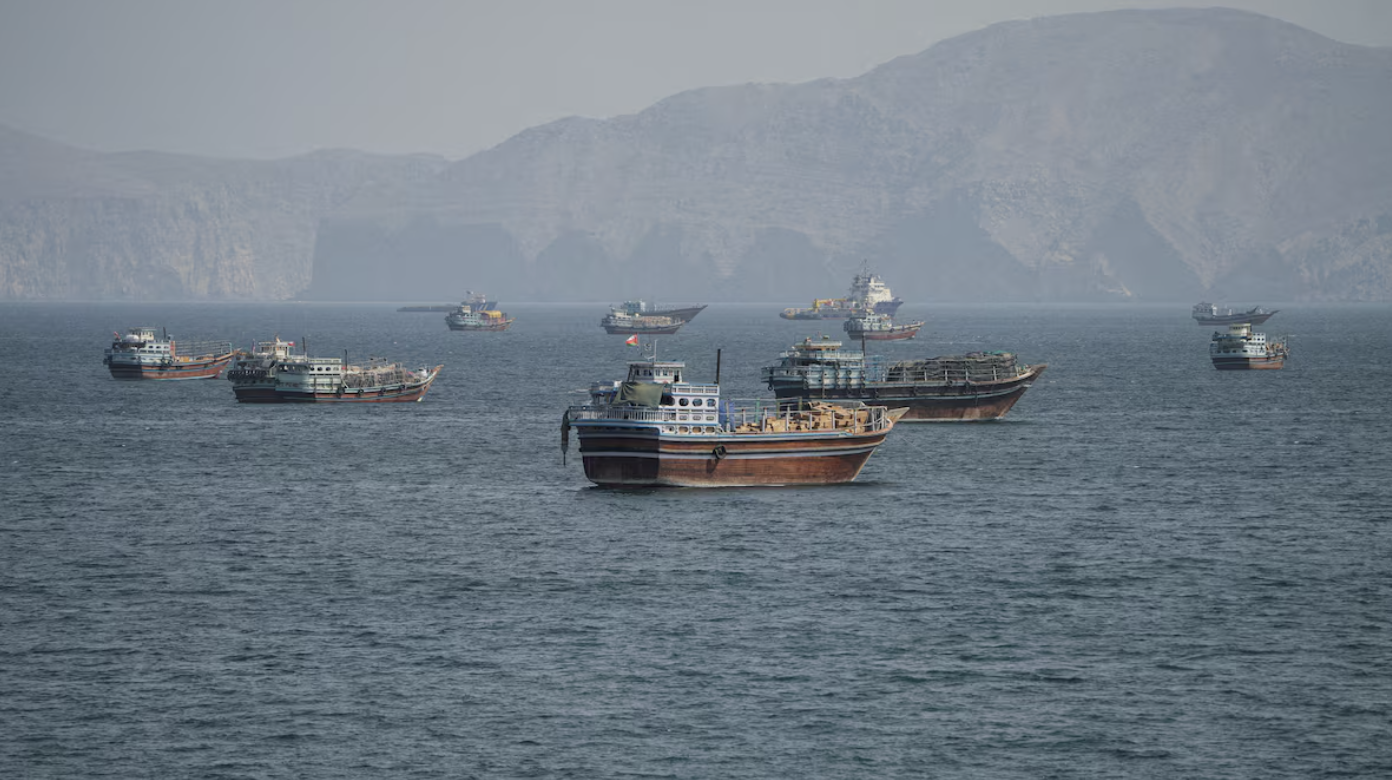
The Strait of Hormuz is one of the world’s most important oil shipping routes, connecting major Middle Eastern oil producers with international markets. Any prolonged disruption to shipping through this passage could affect global energy supplies and push crude prices higher.
Although attacks on commercial shipping have continued in the region, traders have not seen a fresh escalation significant enough to increase the risk premium in oil prices.
Brent Crude Falls 22% From October High
Brent crude has declined approximately 22% from its six-month high of $118 per barrel recorded on October 30.
The decline reflects changing expectations about the possibility of further military escalation and the potential restoration of more stable oil supply flows.
However, analysts have cautioned that crude prices may not fall below $90 per barrel without stronger evidence of lasting de-escalation and an agreement between Washington and Tehran.
Shipping security concerns remain unresolved, particularly because attacks on vessels transiting the Strait of Hormuz continue.
Higher OPEC Production Adds to Supply Pressure
Developments on the supply side have also contributed to the decline in oil prices.
A Reuters survey found that oil production by the Organization of the Petroleum Exporting Countries (OPEC) increased in October, led by higher output from Saudi Arabia, Kuwait and Iraq.
The increase came despite continuing restrictions on exports, adding to expectations that global oil supplies could remain relatively well supported.
Higher production, combined with easing geopolitical concerns, has created additional downward pressure on crude prices.
What the Oil Price Decline Means for Global Markets
Lower crude prices could provide some relief to countries that depend heavily on imported oil, including India. A sustained decline could reduce pressure on fuel import bills and help moderate inflationary concerns.
However, the impact on domestic petrol and diesel prices will depend on several factors, including currency movements, refining costs, government taxes and the duration of the decline in international crude benchmarks.
The situation around Iran and the Strait of Hormuz will remain important for energy markets in the coming days.
Summary
Brent crude fell to $91.88 per barrel and US WTI declined to $86.07 as Trump’s comments reduced expectations of further immediate military action against Iran. Brent has dropped approximately 22% from its October high. Higher OPEC production has added to supply pressure, although continuing shipping attacks and uncertainty over US-Iran relations remain risks for global oil markets.
Image Source