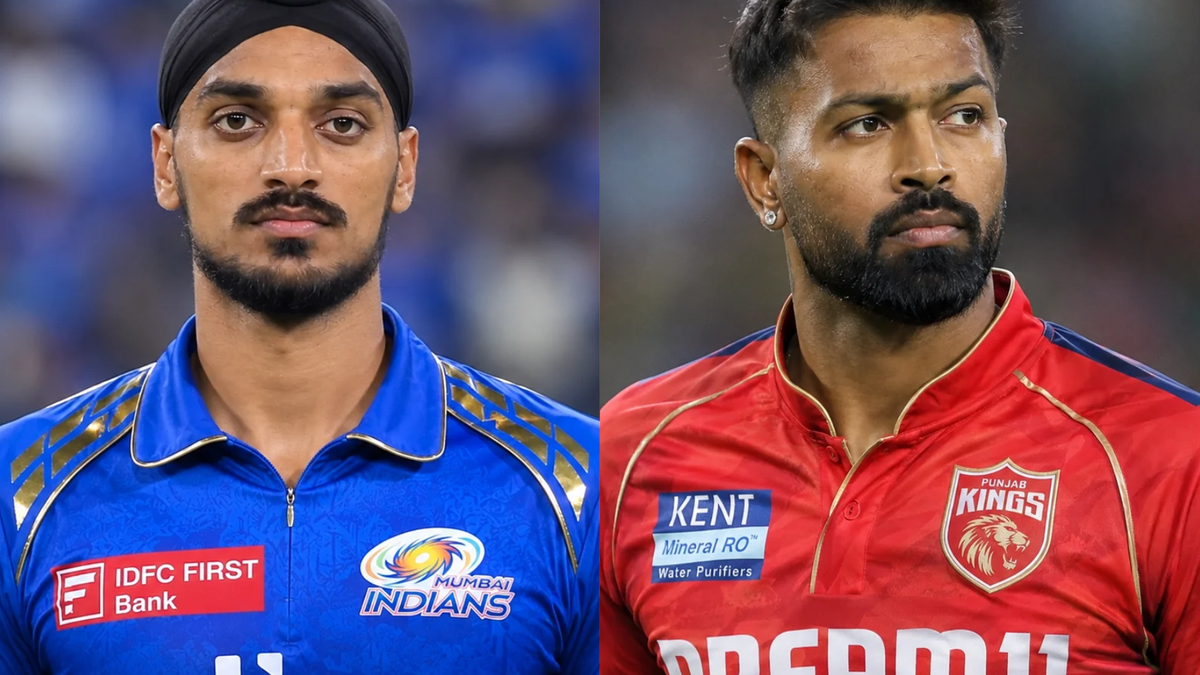
After two weeks of speculation, arguably one of the biggest swaps of this IPL trade window was made official on Wednesday morning. Hardik Pandya will leave Mumbai Indians for Punjab Kings, with Arshdeep Singh heading the other way.
The exchange gives both franchises an opportunity to address glaring weaknesses from last season, but the nature of their acquisitions is markedly different. Punjab gets one of the most versatile all-rounders in the game, a player capable of strengthening three departments. Mumbai, meanwhile, acquires a frontline Indian fast bowler who could transform its PowerPlay and death-bowling combinations.
Hardik’s departure follows a lacklustre second stint with Mumbai, while Arshdeep will represent only his second IPL franchise since making his debut in 2019.
Both teams failed to qualify for the Playoffs last season despite possessing strong squads on paper.
How Hardik Pandya could transform Punjab Kings
Few players offer a team the balance that Hardik does. The 33-year-old is a dependable pace-bowling option, a destructive lower-order batter and an excellent fielder.
Those three attributes address some of Punjab’s most glaring deficiencies from last season. Apart from its struggles in the field, PBKS’ biggest letdown in IPL 2026 was its bowling attack. It finished with the worst bowling average (42.54), strike rate (24.5) and economy rate (10.40) among the teams.
Barring Azmatullah Omarzai, none of its pace bowlers conceded fewer than 10 runs per over.
Hardik’s ability to swing the ball in the PowerPlay and deliver at the death gives Punjab greater variety and depth in its bowling attack.
Inconsistency in the middle order was another factor that undermined Punjab’s campaign. Shashank Singh, Nehal Wadhera and Marcus Stoinis combined for just 413 runs in 14 matches, with only two half-centuries between them. The trio often struggled to provide the acceleration required in the closing stages of an innings.
Hardik’s explosive batting should provide some much-needed finishing firepower. With Marco Jansen also in the ranks and coming off a strong run of form, Punjab has the makings of a more rounded outfit heading into the next season.
Hardik also gives the franchise greater flexibility with the Impact Player rule. His presence allows PBKS to bring in an additional batter or bowler without compromising its starting combination, depending on the demands of a particular match.
His arrival could also prompt Punjab to reconsider Stoinis’ place in the squad and explore the possibility of acquiring an Indian pace bowler to compensate for Arshdeep’s departure.
Why Arshdeep Singh makes sense for Mumbai Indians
Mumbai’s decision to identify Arshdeep as its preferred acquisition in the exchange is understandable. The five-time champion endured a difficult campaign with the ball last season, with even Bumrah, usually its most dependable performer, struggling to make an impact.
The Indian spearhead managed just four wickets in 13 matches at an extraordinary average of 102.50.
The Wankhede Stadium, which has traditionally offered assistance to fast bowlers, could also bring the best out of Arshdeep’s skill set compared to the flatter surfaces in Mullanpur.
The 27-year-old has an excellent record at the venue, having taken 18 wickets in 11 matches at an average of 16.27 and an economy rate of 7.32.
However, the prospect of Arshdeep partnering Bumrah is arguably where Mumbai stands to benefit the most. The two have enjoyed considerable success together in India’s colours, forming the backbone of the pace attack during its victorious T20 World Cup campaigns in 2024 and 2026.
Both are particularly effective at the death, where their ability to execute pinpoint yorkers makes them difficult to line up. Since 2019, Bumrah has taken the most wickets in the IPL death overs, with 68, while Arshdeep ranks fifth with 53.
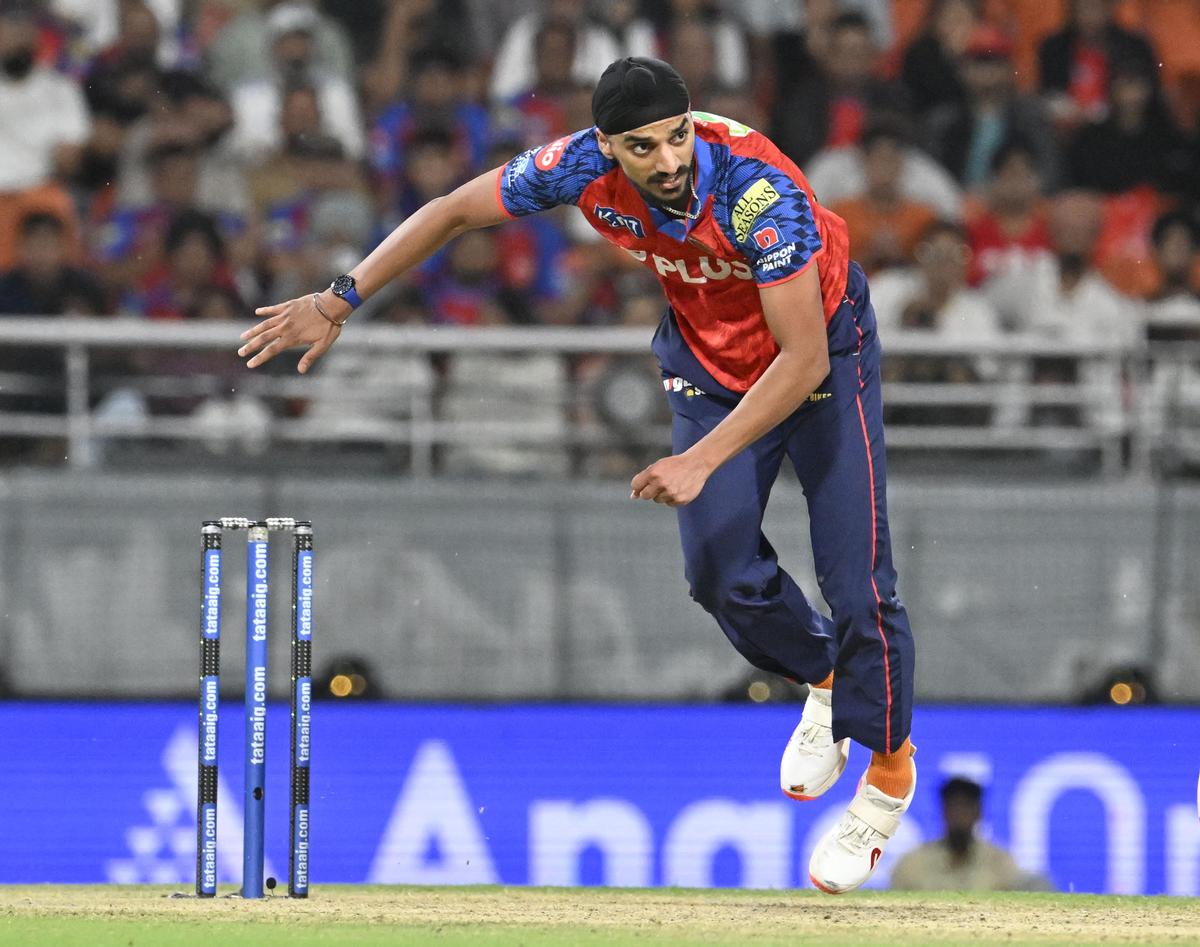
Arshdeep’s left-arm angle and ability to move the ball both ways also give Mumbai a potent PowerPlay option.
His arrival also gives the franchise greater flexibility in its overseas combination and helps MI address, to an extent, the void left by Hardik.
Mumbai could consider releasing Trent Boult, potentially freeing up Rs. 12.5 crore and an overseas slot.
That would open the door for Corbin Bosch, who offers a seam-bowling all-round option, even if he is not a complete like-for-like replacement for Hardik.
Mumbai could then retain its batting and spin options by accommodating Sherfane Rutherford alongside one of Will Jacks, Mitchell Santner or AM Ghazanfar, its leading wicket-taker last season.
Hardik’s departure also allows MI to restructure its leadership group, with Rohit Sharma rumoured to take over the reins for the 2027 season.
Hardik’s move to PBKS, in turn, could allow him to play with greater freedom under Shreyas Iyer’s captaincy.