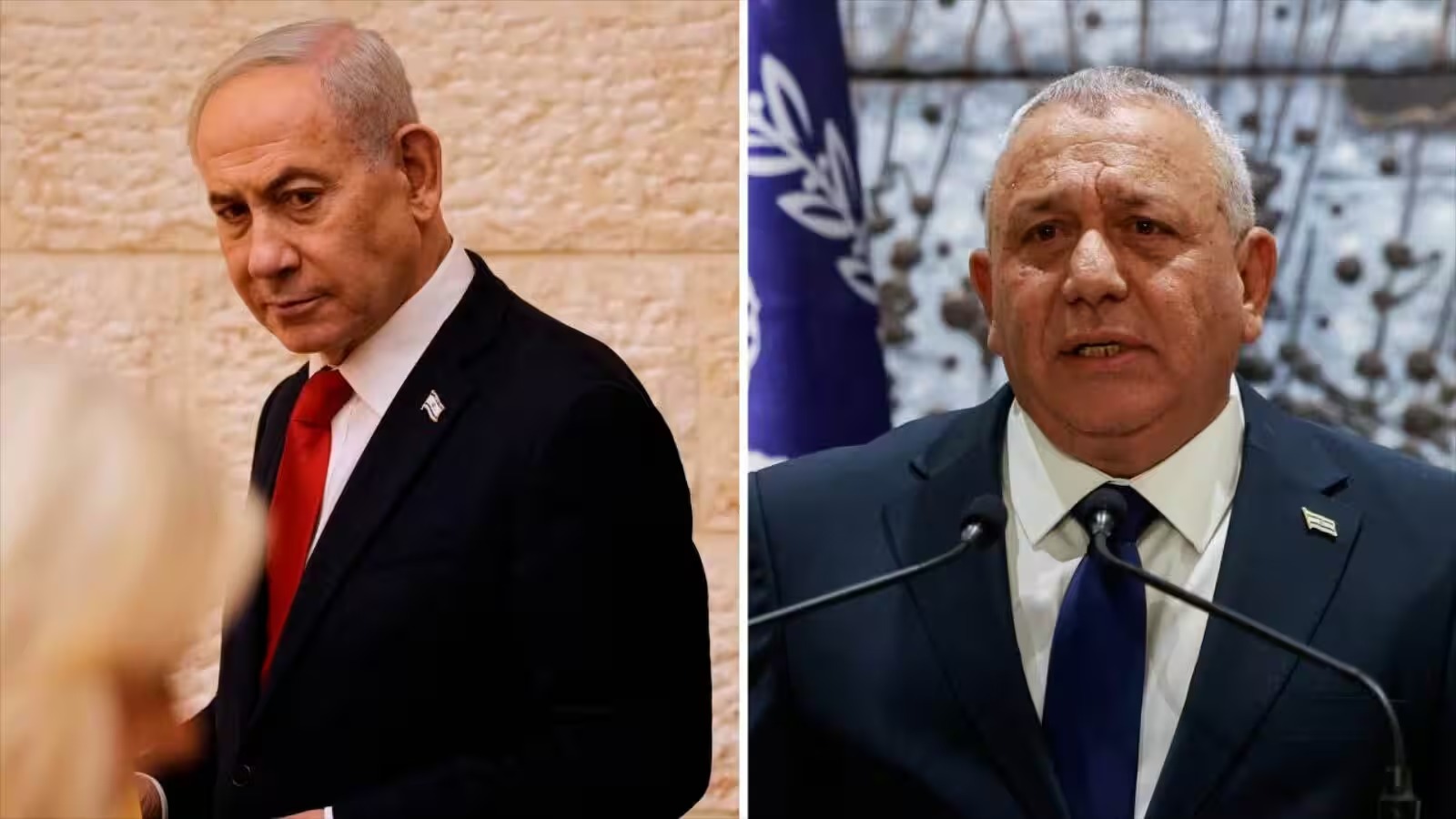
In the smoldering battlefield of the Middle East, once again reports of major turmoil regarding diplomatic and military strategies are emerging from within Israel. Former Chief of Staff of the Israel Defense Forces (IDF) and prominent politician Gadi Eisenkot has given a stern warning to Prime Minister Benjamin Netanyahu. Eizenkot has said in clear words that until a new and stable government is formed in Israel, any kind of aggression or major military attack against Tehran (Iran) should be avoided. The statement has sparked a stir within Israeli political circles as well as among international security experts, as tensions between Iran and Israel are already at their peak. The complex equation between political change and military decisions Israeli politics is going through a very sensitive period these days. Amid the continuing conflict on the Gaza, Lebanon and Iran fronts, deep disagreements are emerging within the country regarding leadership, upcoming political changes and security cabinet decisions. Ghadi Eysenkot, who himself has been an experienced military general and has also been a part of the War Cabinet, believes that to take any decisive step against a big and dangerous enemy like Iran, it is essential to have a strong, unanimous and politically stable government. At present, there are ideological differences between the opposition parties and a large section of the country regarding many decisions of the Netanyahu administration. Eysenkot argues that if a major military attack is launched during a transition period or in an environment of political uncertainty, its strategic and regional consequences can be devastating. Every step taken on the battlefield not only affects Israel's security, but is also directly related to the country's internal political stability. Israel's strategy and military assessment regarding Iran The way missile attacks and proxy wars have been going on between Tehran and Tel Aviv in the last few months have brought the entire Middle East to the brink of the Third World War. A section of Israel believes that it is extremely important to strike once and decisively to destroy Iran's nuclear programs and its missile network. They argue that if laxity is left now, Iran could acquire a more dangerous nuclear capability in the future, which would directly pose an intolerable threat to the existence of the Jewish state. On the other hand, experienced strategists like Gadi Eizenkot are insisting that military power should be used only when diplomatic options have been completely exhausted and the people and political leadership of the country are completely unanimous. Any hasty move could push Israel into a long and exhausting regional war that would be extremely difficult to resolve both economically and militarily. Intelligence assessments also suggest that Iran, along with its allies—such as Hezbollah and the Houthi rebels—are seeking to exert all-out pressure on Israel, a situation in which adversaries could take advantage of internal political disunity. The United States and Western countries are keeping a close eye on this entire incident, the role of Washington and the pressure of international diplomacy. America is constantly trying to ensure that the conflict between Israel and Iran does not turn into an uncontrolled world war, because it can have a huge impact on the global economy, crude oil prices and international supply chain. Washington has from time to time advised Israeli Prime Minister Benjamin Netanyahu to exercise restraint. This statement by Gadi Eizenkot also matches with American strategic thinking, which believes that hasty and over-aggressive military operations should be avoided to maintain stability in the Middle East. American diplomats believe that Israel should establish strong coordination with its international allies before any major military operation, so that regional tensions can be kept under control. Israel's future and internal security challenges The direction Israel's domestic politics and security policies will take in the coming weeks will depend on how much importance the Netanyahu government gives to opposition pressure and warnings from its senior military advisers. On one hand, the people of the country are very sensitive about security, on the other hand, they are also feeling the fatigue and economic pressure caused by the long war. Gadi Eizenkot's warning is not just a political statement, but a symbol of Israel's professional military wisdom, which understands that unity at home and mature decision-making are prerequisites for achieving victory on the battlefield.