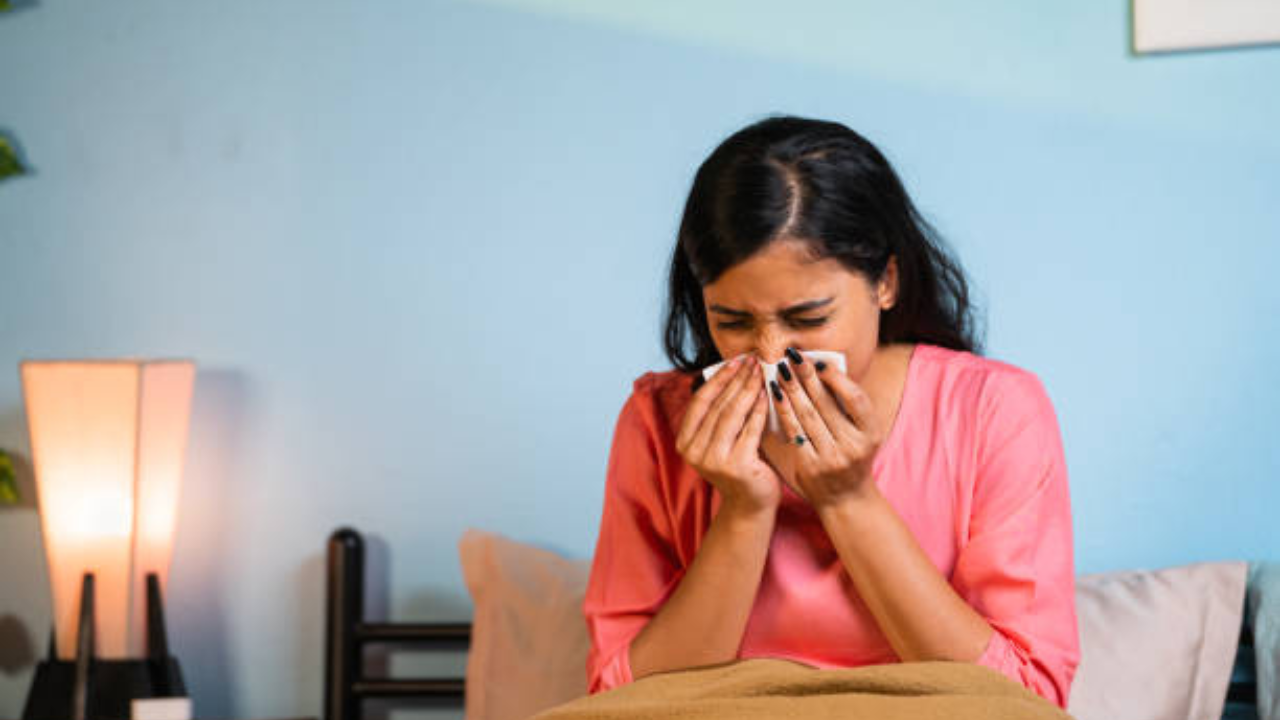
- What exactly does air pollution do to the lungs?
- How does air pollution increase the risk of pneumonia, say experts?
- How to protect lungs from pollution?
World Pneumonia Day: Exposure to polluted air, smoke and harmful particles can weaken the lungs' natural immunity. Therefore Like pneumonia Increased risk of respiratory infections. Children, senior citizens and persons with pre-existing health problems require special care, according to doctors.
Pneumonia is still a serious health problem related to the respiratory system. It can affect people of all ages, from children to senior citizens. Bacterial and viral infections are common causes of pneumonia. However, exposure to air pollution, smoke and long-term exposure to harmful particles can affect lung health and increase the risk of respiratory infections, including pneumonia. As air quality deteriorates day by day, it is important to be aware of pneumonia, recognize its early symptoms and take preventive measures in time, doctors say.
World Pneumonia Day 2026: Pneumonia, a serious lung infection; Ignoring 'these' symptoms can be fatal
What exactly happens in pneumonia?
Pneumonia It is an infection that causes swelling of the air sacs in one or both lungs. These sacs may collect fluid or pus. It causes difficulty in breathing and reduces the capacity of the lungs to supply oxygen to the body. Cough, fever, chills, chest pain, shortness of breath and fatigue are common symptoms of pneumonia. Sometimes, especially in senior citizens, symptoms such as feeling confused and feeling weaker than usual can also occur.
What does the doctor say?
Dr. Jay Bhanushali, Pulmonologist, Xynova Shalby Hospital, Mumbai “Air pollution weakens the natural immune system of the lungs and can increase the risk of respiratory infections including pneumonia,” he said. Pollutants such as PM2.5, PM10 and nitrogen dioxide irritate the respiratory tract, causing inflammation and reducing the respiratory system's ability to fight infection-causing viruses and bacteria. Prolonged exposure to polluted air can make the lungs more susceptible to infection. Also, the severity of the infection may also increase.
Children under the age of five, senior citizens, patients with asthma or COPD, diabetics, and individuals with weakened immune systems are at greater risk. As air quality deteriorates, respiratory complaints are seen to increase. We have noticed an increase of about 20 percent in suspected cases of pneumonia in the last 15 days.
Interestingly, during this period, 2 out of every 10 patients aged 25 to 65 who came to us for treatment developed symptoms of persistent cough, fever, chest pain, shortness of breath and feeling very tired. So it was suggested that he might have pneumonia. When the air quality is poor, avoid going outside as much as possible, maintain personal hygiene, use a mask when going out and take care of your lungs.'
World Pneumonia Day : One Breath…Many Dangers! Pollution, cold and weak immune system are the three secret enemies of pneumonia
Get checked by the doctor on time
Dr. Chhaya Waja, Internal Medicine Specialist, Apollo Spectra Hospital, Mumbai She said, 'Timely examination by a doctor can diagnose the infection and determine if the patient needs antibiotics or other treatment. Severe symptoms include difficulty breathing, bluish lips, or feeling confused. If such symptoms appear, seek immediate medical attention.
To prevent pneumonia, stay away from tobacco smoke, reduce going out when pollution is high, keep fresh air in the house and maintain hand hygiene. Also, vaccinations that protect against pneumococcal disease and influenza (flu) can help reduce the risk of certain infections that can lead to pneumonia.
Early detection of pneumonia symptoms, understanding of the underlying risk factors and timely treatment should be given special attention. Awareness and proper preventive care can help maintain good lung health and help reduce the risk of these serious infections.'