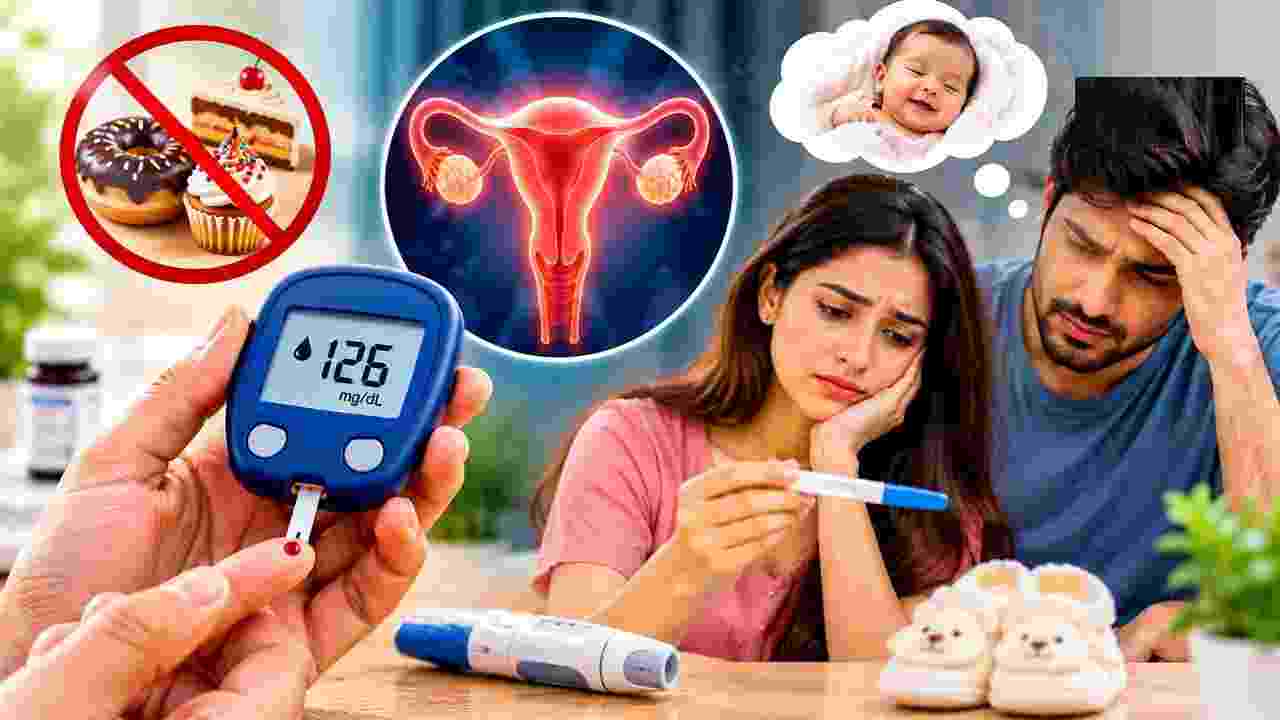
Every year on 14 November, World Diabetes Day i.e. World Diabetes Day (World Diabetes Day 2026) is celebrated all over the world, the main objective of which is to make people aware about this rapidly spreading lifestyle related disease. India has come to be known as the 'Diabetes Capital' of the world, but the matter of concern is that now this disease is not limited to the elderly only, but is also rapidly affecting the youth in the age group of 25 to 40 years. People generally believe that uncontrolled blood sugar only harms the heart, kidneys, eyes and nerves, but senior endocrinologists and fertility experts have pointed out a very serious danger. According to doctors, prolonged increased blood sugar level is having a deep negative impact on the fertility of both men and women, due to which the cases of infertility are increasing rapidly. How does diabetes harm men's fertility and sperm quality? According to fertility experts, both type-1 and type-2 diabetes in men directly affect reproductive health. When blood sugar levels remain uncontrolled in the body for a long time, blood vessels and nerves get damaged, due to which erectile dysfunction and decline in testosterone hormone levels are seen in men. Additionally, high blood sugar increases oxidative stress in the body, which can damage the DNA of sperm. Doctors say that men suffering from diabetes are more likely to have low sperm count, decreased sperm motility and abnormally shaped sperm than normal men, which causes serious difficulty in conceiving naturally. High blood sugar increases the risk of hormonal imbalance, PCOS and miscarriage in women. The effect of diabetes on women's reproductive health is also very complex and sensitive. Gynecology and IVF experts believe that insulin resistance and PCOS (PCOS – Polycystic Ovary Syndrome) are closely related. Due to increase in the level of insulin in the body, the balance of reproductive hormones like estrogen and progesterone in the ovaries gets disturbed, which leads to the problem of irregular periods and absence of ovulation. Not only this, even if a woman conceives with uncontrolled sugar, the risk of miscarriage increases in the initial trimester and there is a possibility of congenital disorder or pre-mature delivery of the baby in the womb. Therefore, it is considered extremely important to bring down the HbA1c level below 6.5% at least three to six months before starting family planning. Know from the doctor: 5 effective ways to control blood sugar in time to protect reproductive health. On the occasion of World Diabetes Day 2026, medical experts have advised youth and couples to immediately bring discipline in their lifestyle if they are planning a healthy family. First of all, get regular testing done (HbA1c test), because sometimes pre-diabetes does not show any obvious symptoms, but internally it continues to affect fertility. Second, adopt a balanced and low-glycemic diet, which includes green vegetables, whole grains, pulses, nuts and antioxidant-rich fruits instead of refined sugar, flour, cold drinks and processed foods. Third, do at least 30 to 45 minutes of physical exercise daily, such as brisk walking, yoga or cycling, which improves insulin sensitivity and keeps weight under control. Fourth, pay attention to adequate sleep and stress management, as increased cortisol hormones impair both blood sugar and reproductive hormones. Fifth, completely stay away from smoking and alcohol, because both these habits, combined with diabetes, damage fertility twice as fast. With awareness and timely treatment, it is completely possible to become healthy parents. Doctors have a clear message that having diabetes does not at all mean that a couple cannot become parents. If the disease is identified in time, medicines or insulin are taken as per doctor's advice and blood sugar is kept within normal range, then the fertility of both men and women can be completely protected. These days, on the occasion of World Diabetes Day, free sugar testing and counseling camps are also being organized in big hospitals of the country including Lucknow, by taking advantage of which the youth can secure both their health and future.