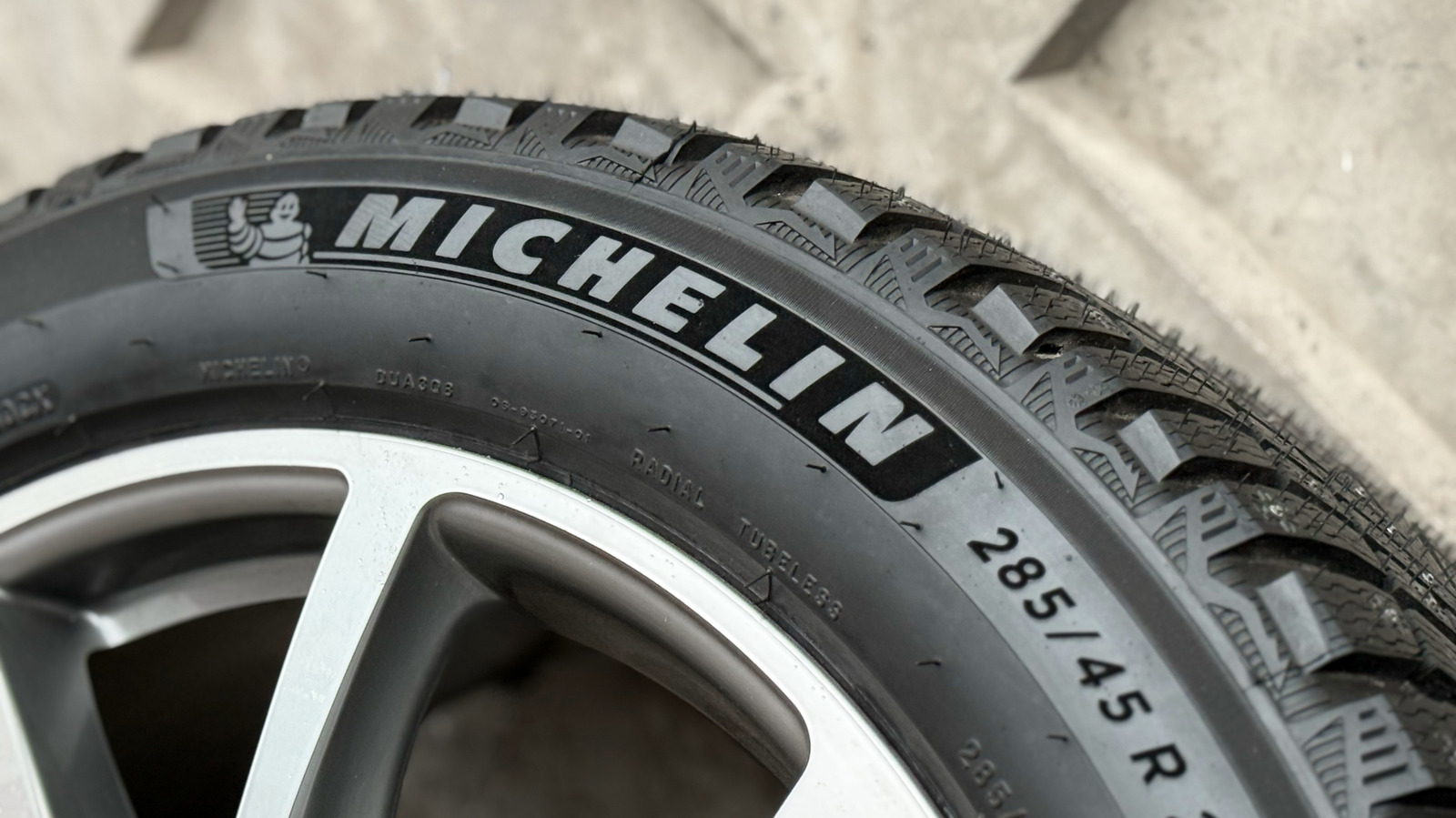
Owning a car means keeping a mental checklist of various tasks and checks to ensure that your vehicle is operating as best as it possibly can. Sometimes, one or two of these little tasks can get lost in the churn of daily life, and you end up losing track of something potentially important. For example, do you know what kind of tires your car currently has mounted?
The first thing you should do when identifying tire types is check the tire’s sidewall. Across most major tire brands, tires made for a particular season will usually have some manner of mark denoting them as such. For example, the highest-rated winter tires will often have either the word “winter” printed on their sidewall, or a small snowflake symbol. If you see either of those, you’ve got winter tires equipped, and if it’s not winter, you know it’s time to swap them out.
If you can’t find any of these identifying markers, the next thing to check are the tire’s treads. Because different seasonal tire types are designed to drive in different conditions, their tread patterns are slightly different to provide varying levels of grip and traction. Winter tires will have noticeably deep grooves and fine cuts along the tread, which is what gives them their extra slush-fighting grip. Comparatively, all-season tires have shallower grooves. They may have similar fine cuts for some basic winter protection, but those will be accompanied by channels for funneling water away during the stormy seasons.
It’s important to stay on top of your seasonal tire swaps
Car tires come in a few variants, primarily differentiated by which seasons they’re intended for. Those with the biggest differences are all-season tires and winter tires, which are intended for all-purpose use on normal roads, and on snowy, slippery roads, respectively. While having one type of tire on in its opposite season won’t instantly destroy your car, it’s definitely not optimal to drive like that, and it could result in poor handling and traction or unnecessary wear on your wheels. One of the drawbacks of all-season tires, for example, is that they’re only really safe to use during the least intense parts of winter.
If you’ve forgotten what kind of tires you currently have equipped, it can be difficult to discern at a glance, but you can find what you need by checking the identifying factors. If you’re ever not sure, you can always check whatever text or markings you can find on your tire and Google what they mean. If there’s a model number, it should indicate which season the tire is intended for alongside its brand.